
Home > Products > Food Packaging IML > Coffee Cup IML Label > IML Label Injection Molding for PP Coffee Cup
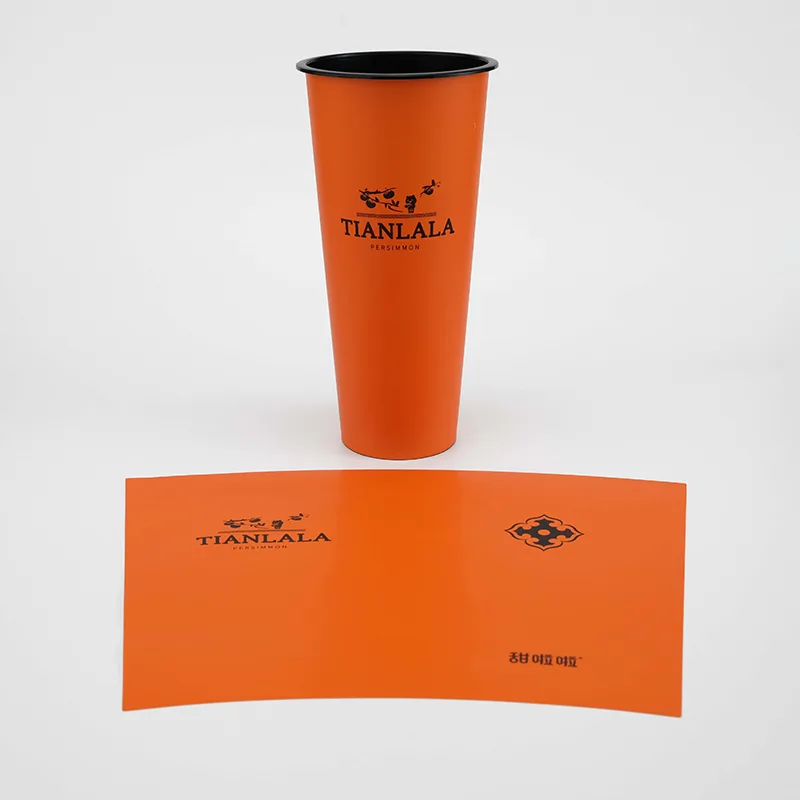
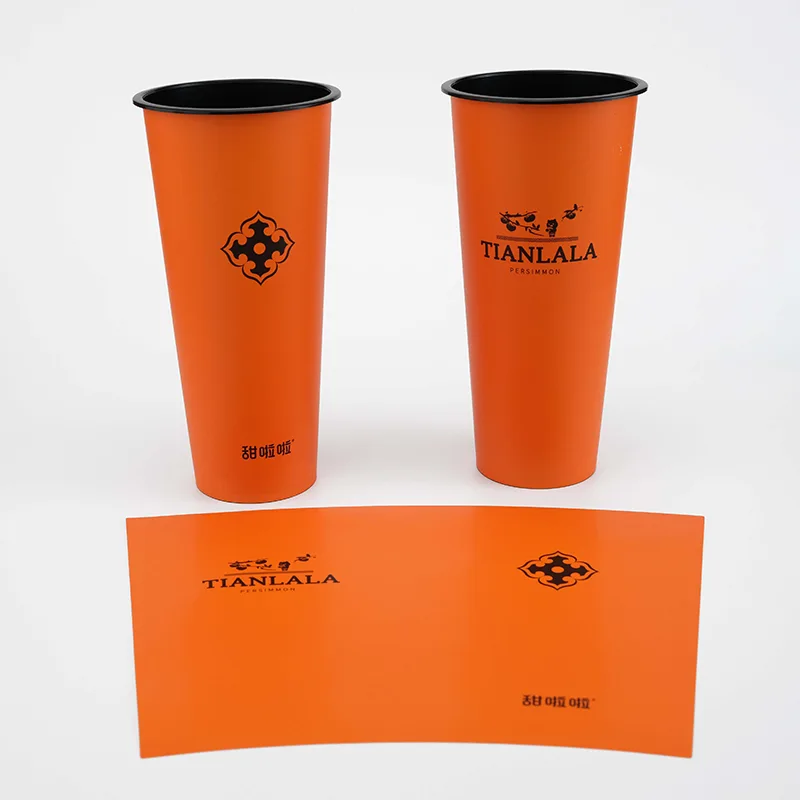
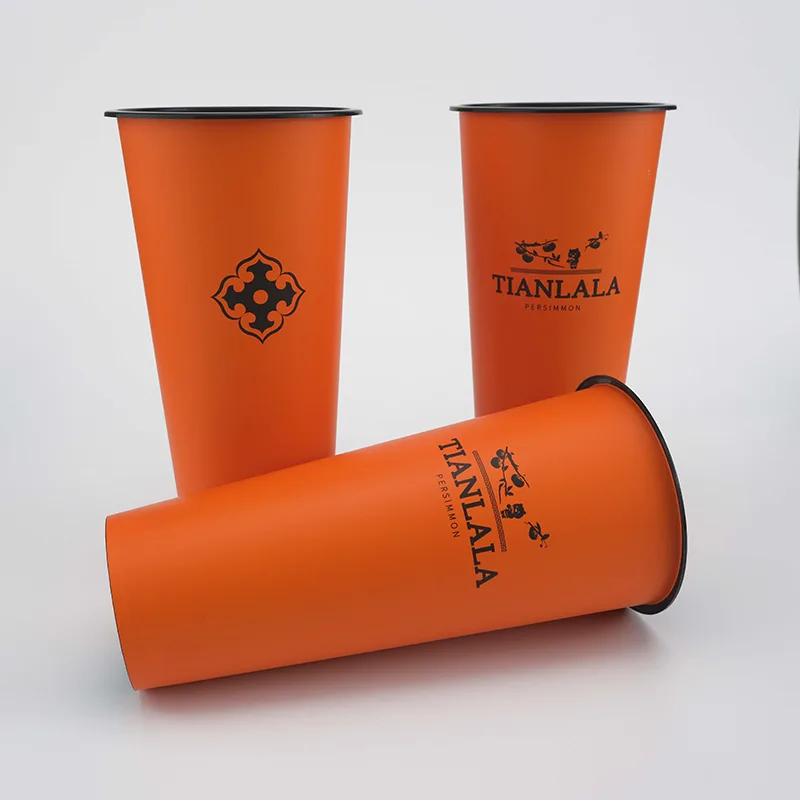
IML Label Injection Molding for PP Coffee Cup
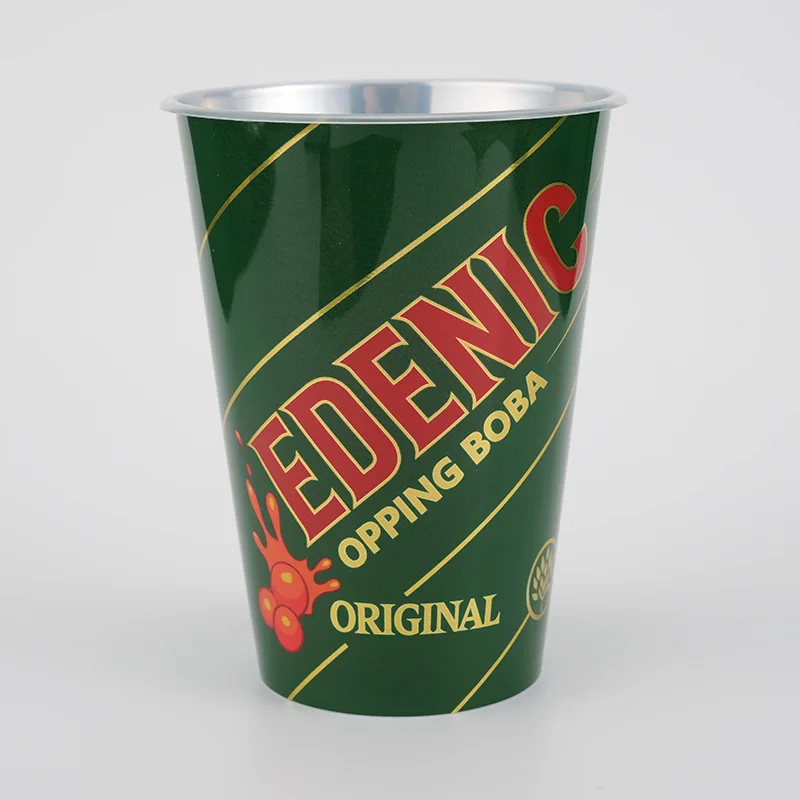
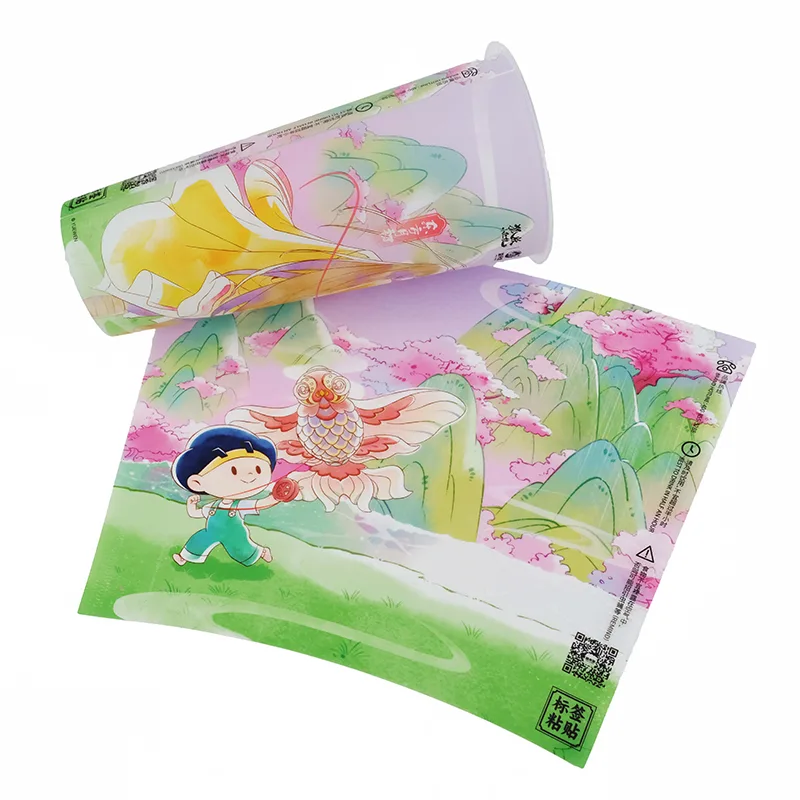
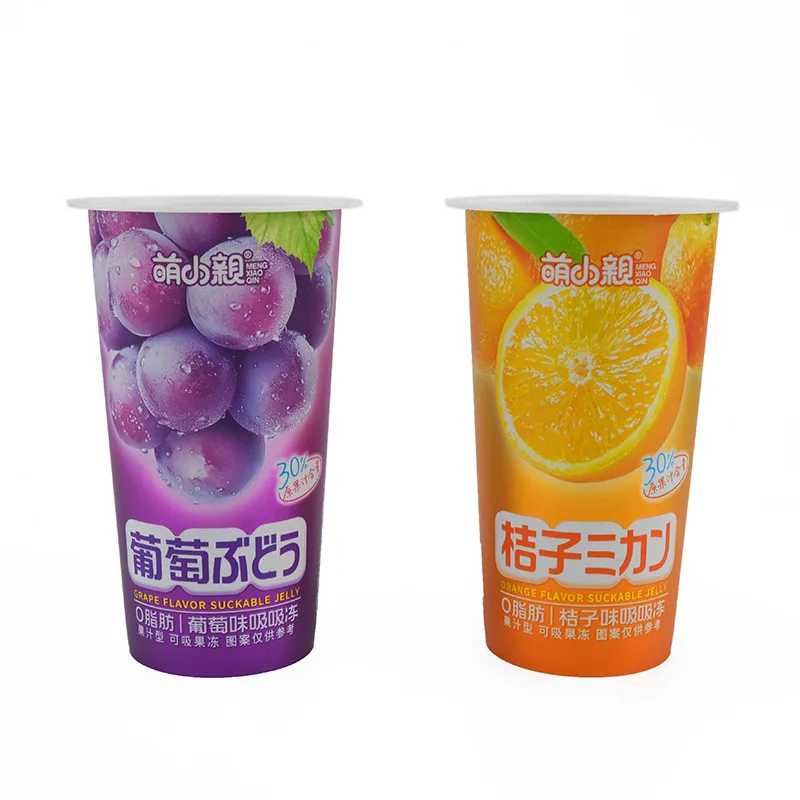
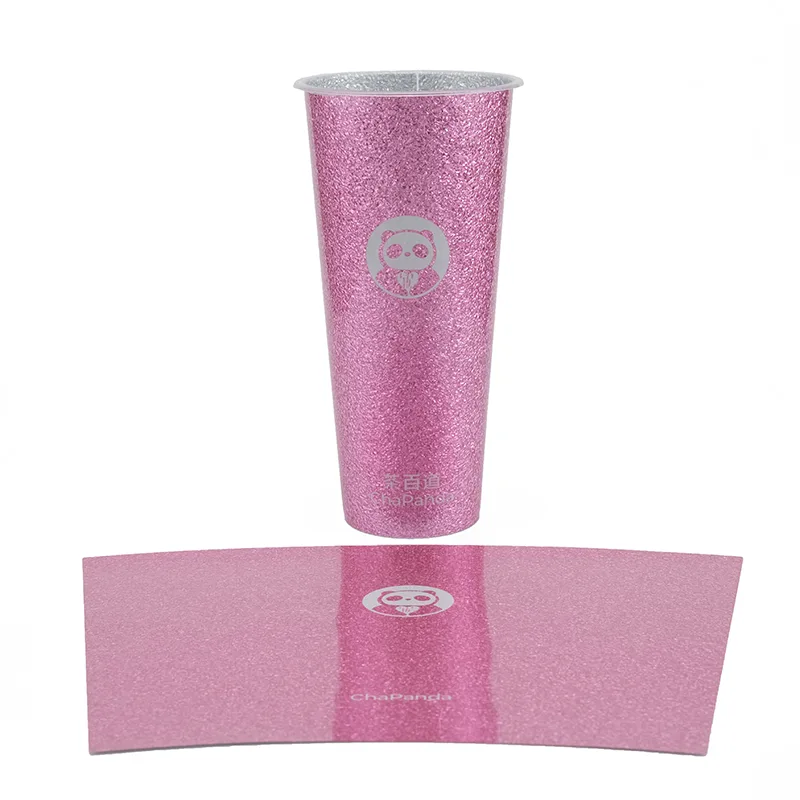
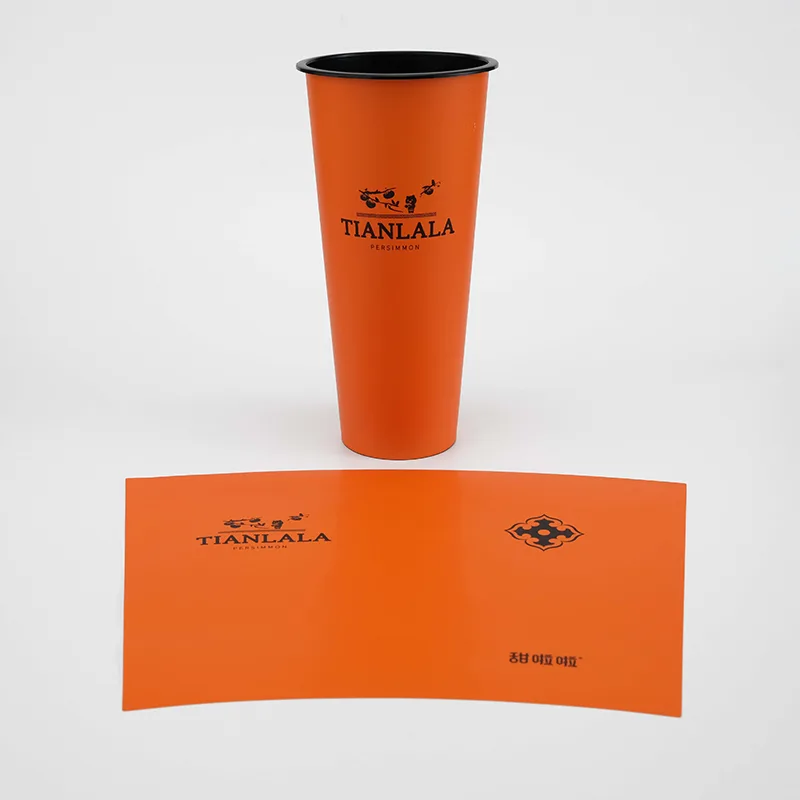
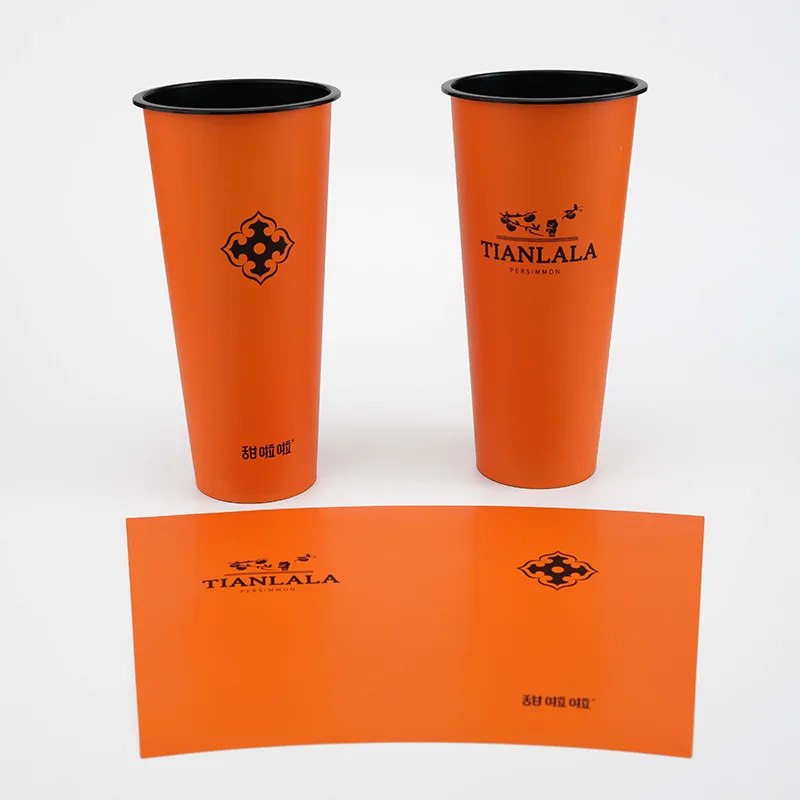
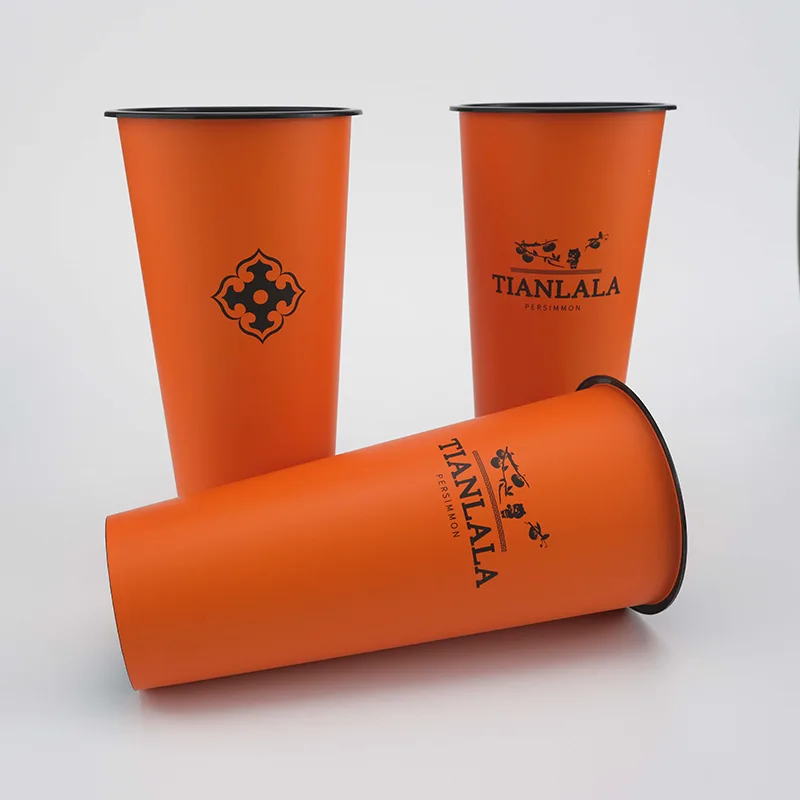
The high-quality IML Label Injection Molding for PP Coffee Cup, developed by Zhongyu suppliers, is suitable for large-capacity PP injection coffee cups and fruit tea beverage cups. It meets the packaging requirements of brands with minimalist styles and solid color main visual elements, achieving a one-piece molding of large areas of solid color backgrounds with fine-line logos and multiple languages of small text on the cup body.
Send Inquiry
Product Description
This IML Label Injection Molding for PP Coffee Cup produced by Zhongyu factory features a solid color printing layer sealed between the cup body and the film material, avoiding common problems such as exposed ink in screen printing and overflow and color fading of self-adhesive stickers.
Many tea and coffee brands that emphasize simplicity and high-end style choose this solution to create a unified visual for their offline stores, and it is also suitable for domestic offline chain stores and cross-border export batch orders.
Custom IML Waterproof In Mold Label for Food Packaging Product Specifications
|
IML Material |
BOPP, PET, PLA, HDPE |
|
IML Size |
Customized According to Die Cutting Size |
|
IML Thickness |
65-85 Micron |
|
Temperature |
-30°C-120°C |
|
Core Advantages |
Whole Shaped Technology, Scratch Resisiant, Waterproof |
|
Application Scenarios |
Food Container, Daily Chemical, Industrial Packaging ,Home Appliance, Hosehold Product |
|
Rich Printing Effects |
Orange Peel, Matte, High Glossy, Transparent, Laser Hologram, Metallic Aluminum, Rainbow, Color change, 3D, Embossing |
|
Printing Colors |
Maximum 11 colors |
IML Label Injection Molding Production Process:
1. Gravure printing on PET/PP film and Lamination
2. Cutting into standard label sheets
3. Automatic robot places labels into injection mold cavity
4. Plastic melt injection, film and plastic melt into one piece
5. Demold finished IML plastic products directly
Project Pain Point Analysis
When many brands make pure color IML injection cups, they often fall into two hidden pitfalls:
1. Small pinholes and color spots appear on large areas of solid color backgrounds.
2. The background color becomes thinner and shows through at the edge positions after the cup body is stretched.
These problems are difficult to expose during small-batch prototyping stages and only become apparent after tens of thousands of cups are injection molded. This directly leads to huge material losses.
The root cause of these problems lies in the fluidity of the ink, the matching degree of the film material during stretching, and the injection pressure. Our solution is to conduct a special process assessment for large areas of solid color patterns in the early stage of the project, adjust the ink formula and printing thickness, predict the stretching ratios at different positions of the cup, and make manuscript compensation for deformation areas such as edges, cup mouths, and bottoms in advance, reducing the risk of color spots and exposure at the large-scale production stage.
Process Selection Reference
Many purchasers confuse IML in-mold labels, curved surface screen printing, and heat transfer printing for pure color cup solutions. Different processes have their own trade-offs:
Curved surface screen printing: Low cost, but it is difficult to achieve uniformity on large areas of solid color. It is only suitable for simple line logos and not suitable for full-page solid color;
Heat transfer printing: Good color performance, but the finished product surface is a printed layer, and it is prone to scratches and color fading when exposed to cold condensation water over time;
IML in-mold labels: The solid color background is sealed inside the cup body, resistant to friction and moisture, with stable full-page solid color effect, suitable for brands that pursue long-term shelf display effects and long-distance transportation abroad.
Note: If it is only for short-term promotional small batches, screen printing will be more economical; if it is for long-term circulation, overseas export, and cold storage scenarios, IML is more suitable for the long-term benefits of the project.
Raw Material and Version Control
Facing multiple batches of continuous orders from chain brands, "version confusion and color difference" are the most common problems for IML Label Injection Molding for PP Coffee Cup.
We have established an independent color profile library, retaining standard ink ratios, printing parameters, and sample sheets for each orange and Mordani color solid color. Every time there is a return order, we will visually compare and measure color using instruments with the original sample sheet to control batch color differences.
The multiple versions of manuscripts provided by customers will be archived with version numbers, and the manuscripts will be double-checked before production to prevent wrong version production, especially suitable for chain coffee and tea brand customers with multiple stores and continuous replenishment batches.
FAQ
Q1: For the large-area high-saturation solid color IML, will the stretching position at the cup opening be prone to exposing the base color?
A: We will perform deformation compensation processing in advance and conduct simulation injection molding tests to avoid the thinning and exposure of the base color at the edges and corners.
Q2: How to ensure that the pure color base color of the previous and subsequent batches of products has no obvious color difference after multiple reorders and restocking?
A: We will establish a special color file, keep samples for retention, and conduct instrument color measurement + sample comparison for each batch of production.
Q3: For IML pure color cups, can secondary hot stamping and post-processing printing be carried out later?
A: The surface of the cup body is PP smooth surface, which supports simple post-processing, but it is recommended to integrate all patterns on the IML label.
Q4: What kind of injection molds are not suitable for large-format solid color IML labels?
A: Molds with poor surface roughness and small demolding angles will increase the probability of defects in the solid color. We can assist in evaluating.
Q5: Can the IML Label Injection Molding for PP Coffee Cup comply with the food contact safety export standards?
A: The ink film material has been screened, and corresponding batch test reports can be provided for customs clearance.
Q6: Can the color effect of small sample tests and later large-scale production be consistent?
A: The sample and production use the same set of ink parameters to reduce the effect deviation between the sample and the large-scale production.
Q7: Are there any storage conditions to be noted for the storage of solid color IML labels?
A: They need to be stored in a dark and temperature-controlled environment. We will provide customers with practical guidance on label storage and usage.
Hot Tags: IML Label Injection Molding, PP Coffee Cup IML, In Mold Labeling for Coffee Cups
Related Category
Send Inquiry
Please Feel free to give your inquiry in the form below. We will reply you in 24 hours.