
Home > Products > Food Packaging IML > Yougurt Cup IML Label > IML Label Injection Molding for PP Yogurt Cup
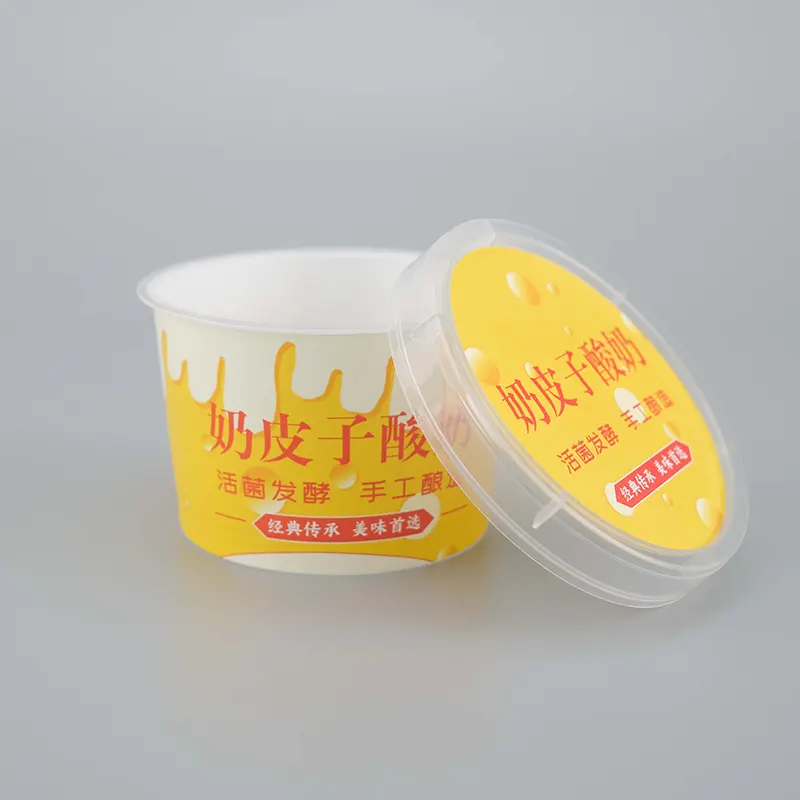
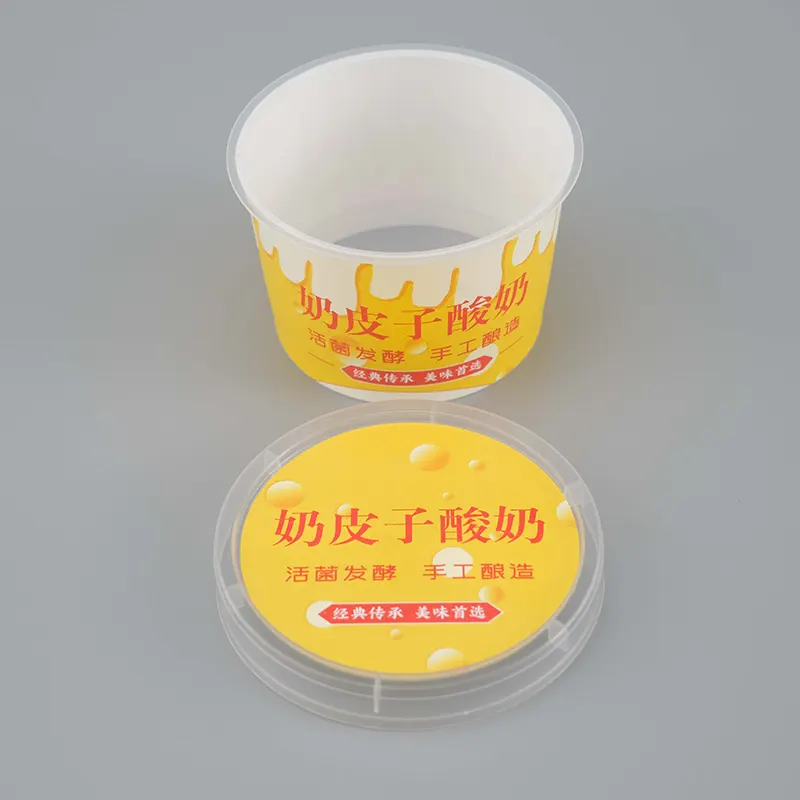
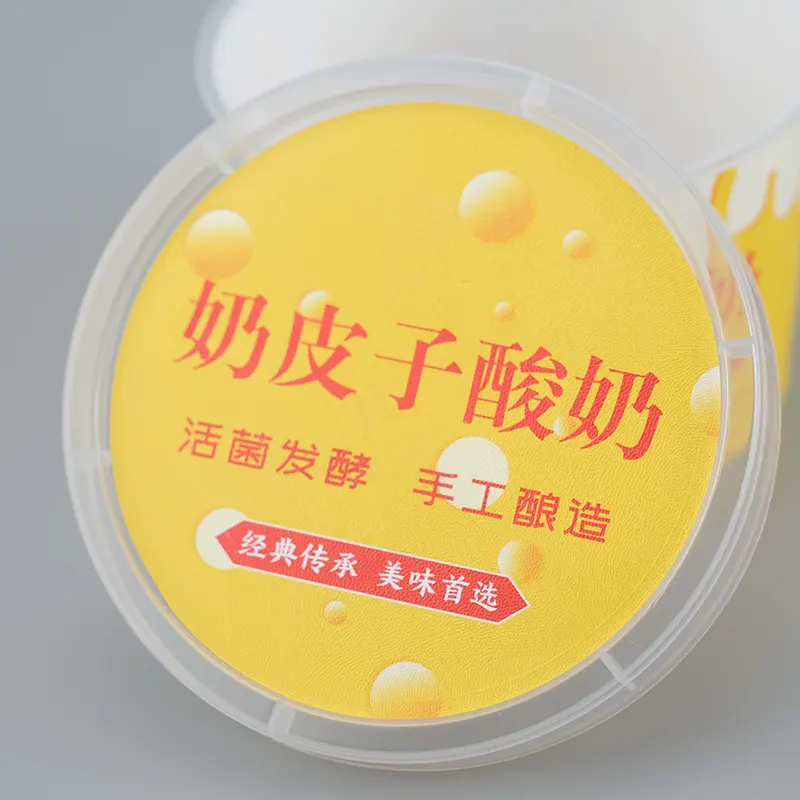
IML Label Injection Molding for PP Yogurt Cup
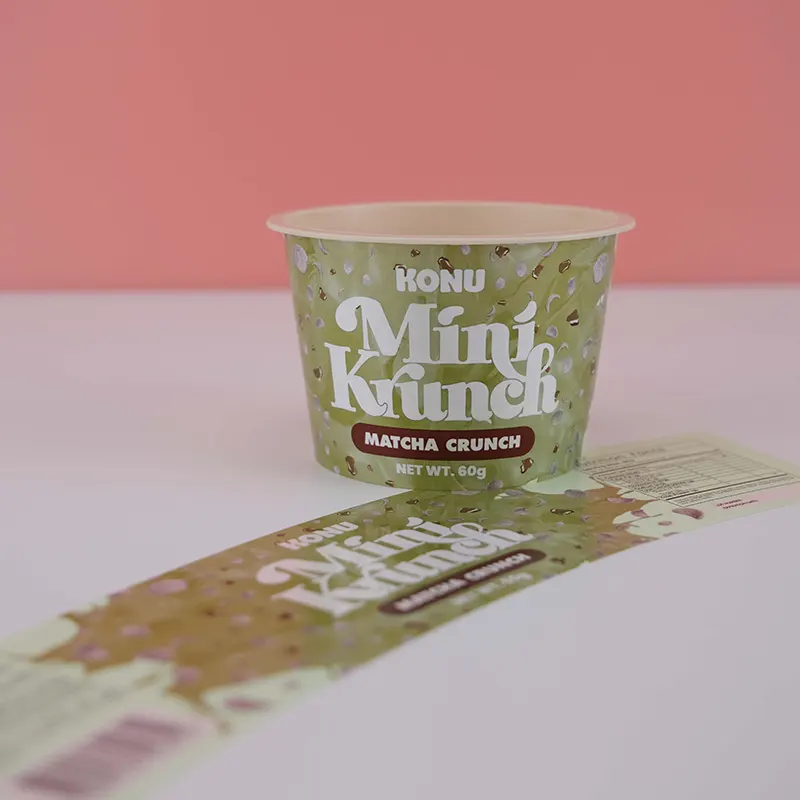
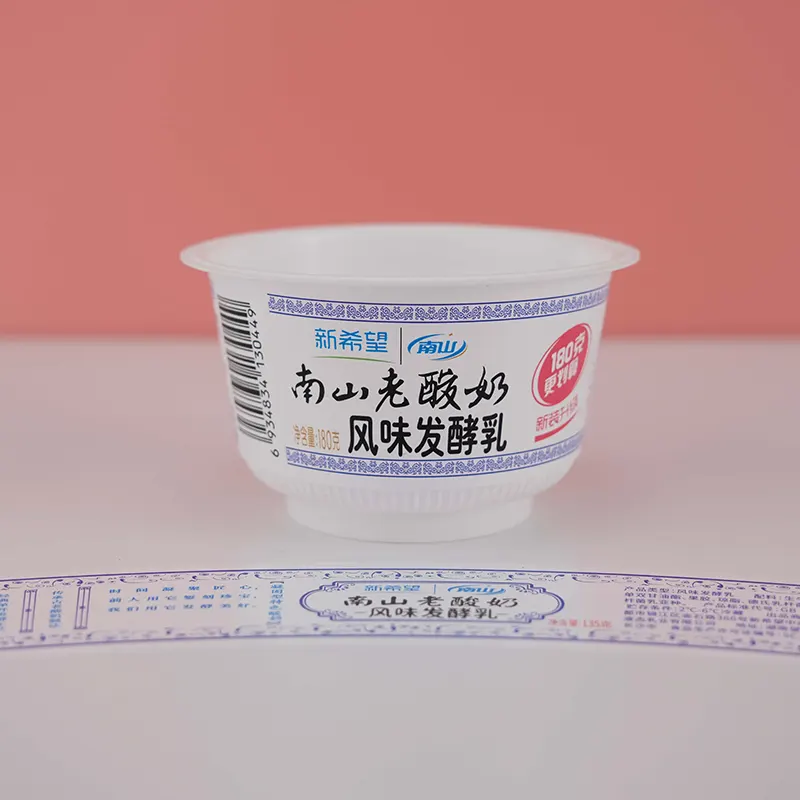
This China IML Label Injection Molding for PP Yogurt Cup, sold directly by Zhongyu Factory, can simultaneously achieve the integrated embedding of the PP yogurt cup body and the matching cup lid, forming a single piece. It is suitable for containers of specialty dairy products such as hand-fermented yogurt. Unlike the conventional label schemes that only print on the single side of the cup body, this product can fully present the unified brand visual on the side wall of the cup body and the circular cup lid surface. The patterns and promotional copy are simultaneously solidified inside the plastic substrate.
Send Inquiry
Product Description
When Zhongyu Factory was creating the IML Label Injection Molding for PP Yogurt Cup, they fused the label and the PP base material together. The finished product has no additional coating on the surface and the touch is smooth and even. Facing the offline retail and refrigerated display scenarios for specialty dairy products, the patterns will not fade or wear off due to frequent handling, friction, or condensation water erosion.
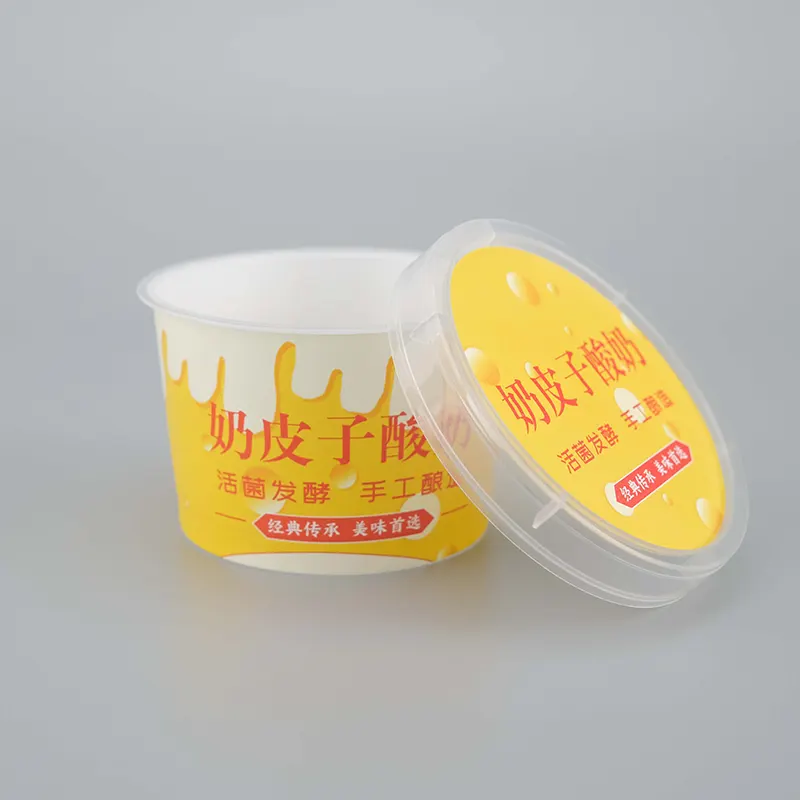
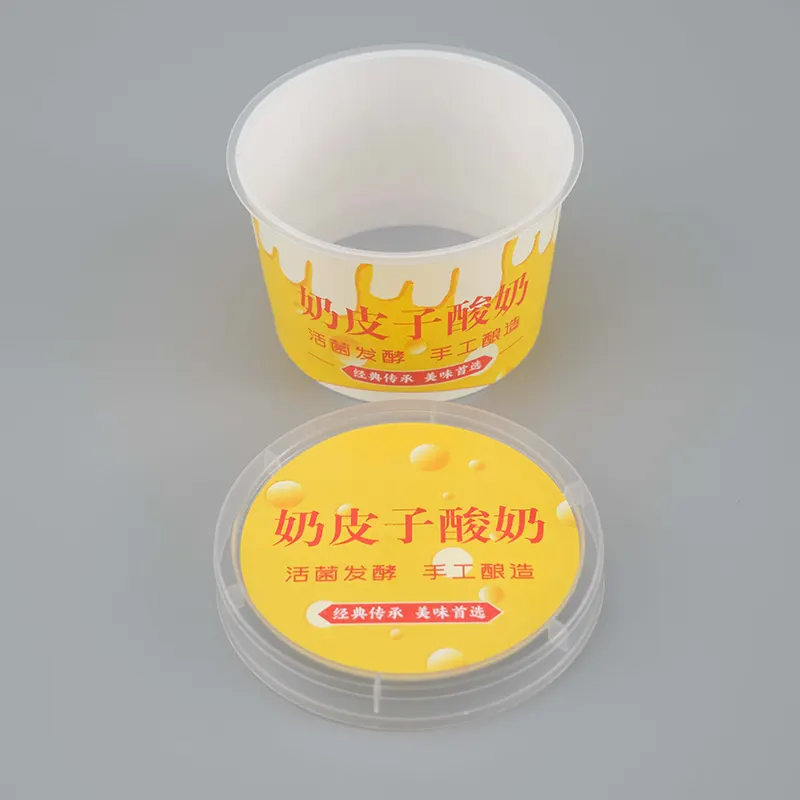
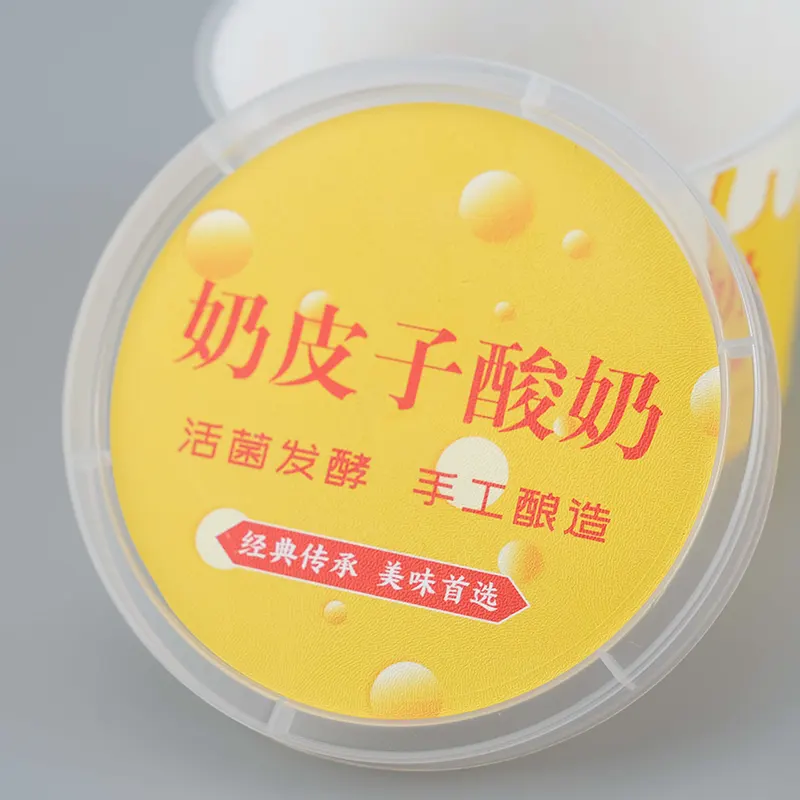
Product Application
- Compatible with special fermentation milk PP containers, the cup body and cup lid can be used simultaneously with IML technology
- Target customers include dairy enterprises, handmade yogurt brands, and contract manufacturers. It is suitable for supermarkets and community fresh food offline channels
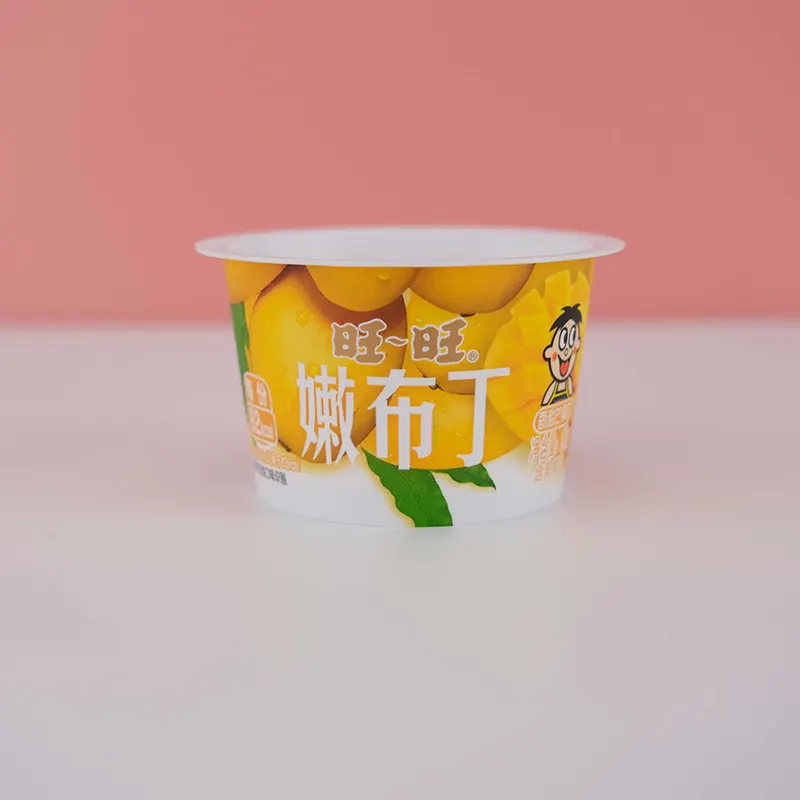
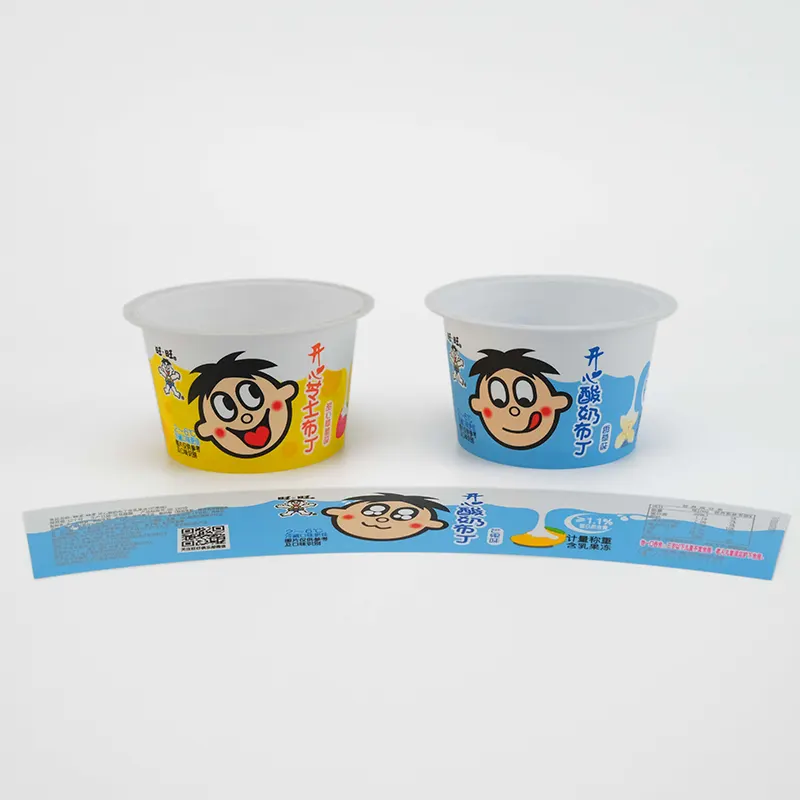
- Compatible with jelly and pudding PP containers
Notes for Attention
1. The 3D models for the cup body and the cup lid need to be provided separately. The two curved surfaces have different stretching parameters, so the documents cannot be shared directly.
2. The circular cup lid is a slightly curved surface. The positioning accuracy of the label needs to be controlled, and a dedicated labeling tooling must be used to prevent offset and edge overflow.
3. IML Label Injection Molding for PP Yogurt Cup should be placed in a cool and dry place to avoid long-term exposure to strong light and ultraviolet rays, which can delay the aging of the base material and affect the printing quality.
4. When used for acidic fermented milk, the ink film material needs to match the corresponding pH value. New projects must undergo trial production on the machine and general parameters must not be used.
5. The IML of the cup lid will occupy some wall thickness. During the early stage of structural assessment, avoid interfering with the opening and assembly of the cup lid.
Manufacturing process
1. Raw material screening and warehousing verification
Food-grade film materials and printing inks are received. Safety indicators are inspected, and compatible consumables for both the lid and the body are selected. Batch files are established.
2. Handling of separate documents
For the different curved surface shapes of the cup body and the circular cup lid, separate graphic adjustment is carried out. The deformation logic of the side walls and the circular lid surface is distinguished, and two independent production files are output.
3. Dust-free workshop printing
Multi-color registration is completed in a clean production environment, the registration accuracy is controlled, the ink is solidified, and the risk of ink migration is avoided.
4. Die-cutting and molding
Die-cutting is performed according to the different contour specifications of the cup body and the cup lid. Edge burrs and dimensional tolerances are strictly controlled, and single IML labels are produced.
5. Simulation verification before leaving the factory
Separate simulation of the injection molding process for the cup body and the cup lid is conducted to check the pattern position and color registration. After confirming no graphic offset, the sample is sealed.
6. Packaging and delivery
The materials are sorted according to the customer's production equipment requirements and are delivered as sheet materials, along with corresponding batch material information.
Custom IML Waterproof In Mold Label for Food Packaging Product Specifications
|
IML Material |
BOPP, PET, PLA, HDPE |
|
IML Size |
Customized According to Die Cutting Size |
|
IML Thickness |
65-85 Micron |
|
Temperature |
-30°C-120°C |
|
Core Advantages |
Whole Shaped Technology, Scratch Resisiant, Waterproof |
|
Application Scenarios |
Food Container, Daily Chemical, Industrial Packaging ,Home Appliance, Hosehold Product |
|
Rich Printing Effects |
Orange Peel, Matte, High Glossy, Transparent, Laser Hologram, Metallic Aluminum, Rainbow, Color change, 3D, Embossing |
|
Printing Colors |
Maximum 11 colors |
IML Label Injection Molding Production Process
1. Gravure printing on PET/PP film and Lamination
2. Cutting into standard label sheets
3. Automatic robot places labels into injection mold cavity
4. Plastic melt injection, film and plastic melt into one piece
5. Demold finished IML plastic products directly
FAQ
Q1: Can we produce both the cup body and the circular cup lid sets of IML labels at the same time?
A: Yes, the cup body and the cup lid have different curved surfaces, so two sets of documents and die-cut specifications need to be processed separately.
Q2: Will the circular cup lid IML affect the assembly and fitting of the lid and the cup body?
A: We will assess the wall thickness of the cup lid structure in advance, optimize the label size, and avoid interference in opening and closing assembly.
Q3: Can a small-batch specialty handmade yogurt brand accept sample order?
A: We support new product sample production and provide early process verification services for specialty dairy products brands.
Q4: Are the printing and die-cutting processes of the IML Label Injection Molding for PP Yogurt Cup all completed internally?
A: The entire production process is completed in the cleanroom of our factory, not outsourced, and batch data is fully retained.
Hot Tags: IML injection molding, IML yogurt cup, in mold labeling for PP cups
Related Category
Send Inquiry
Please Feel free to give your inquiry in the form below. We will reply you in 24 hours.