
Home > Products > Food Packaging IML > Coffee Cup IML Label > IML Label PP Coffee Cup by Injection Molding
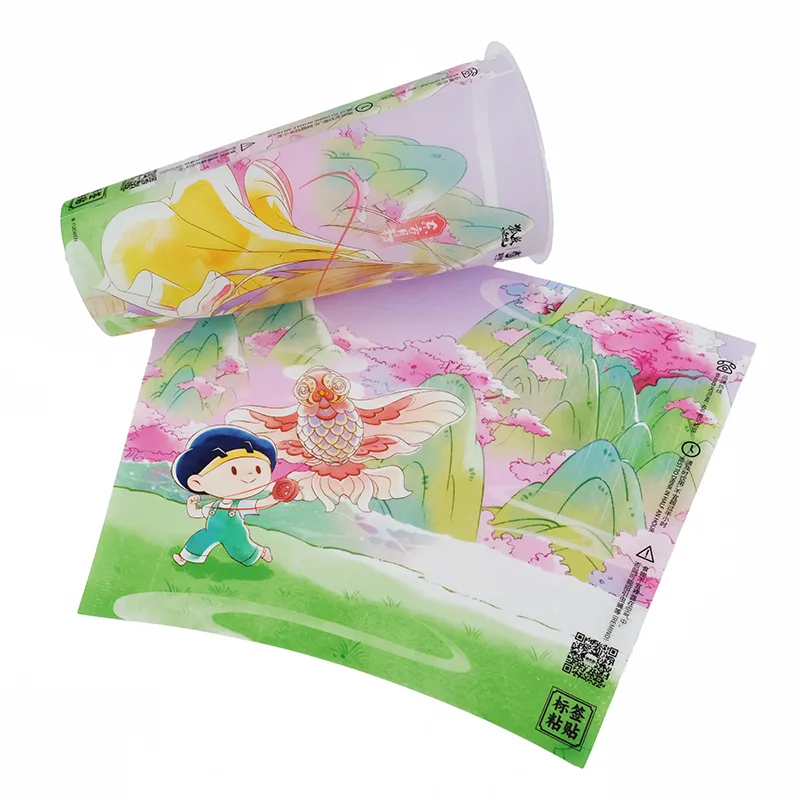
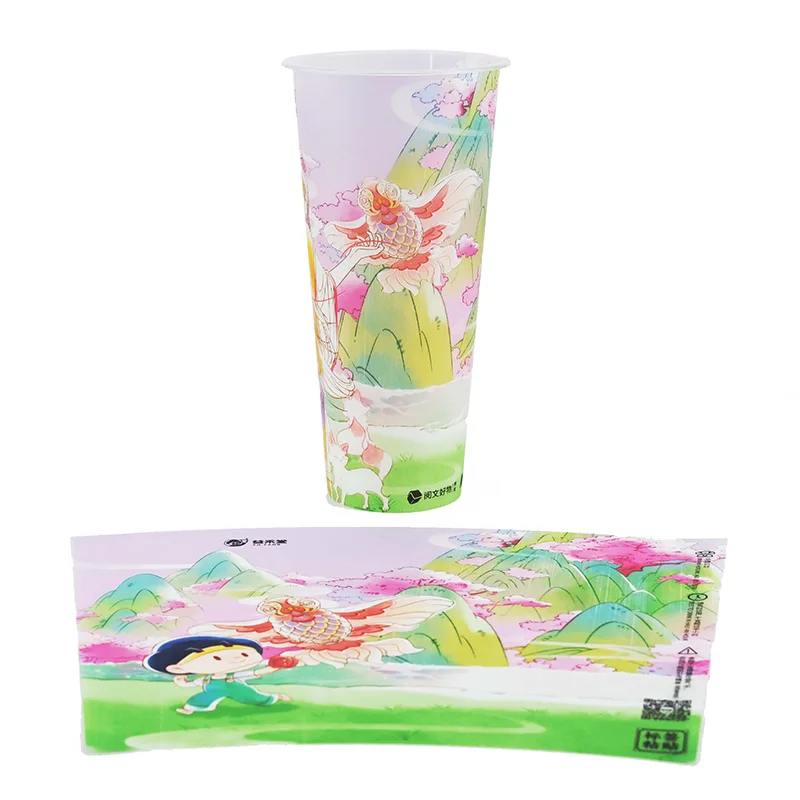
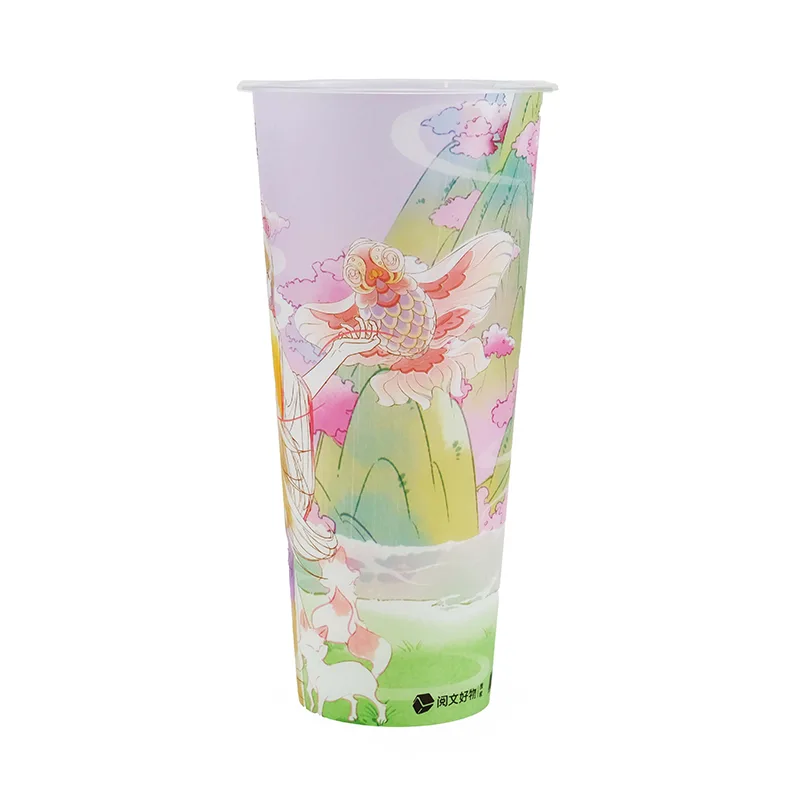
IML Label PP Coffee Cup by Injection Molding
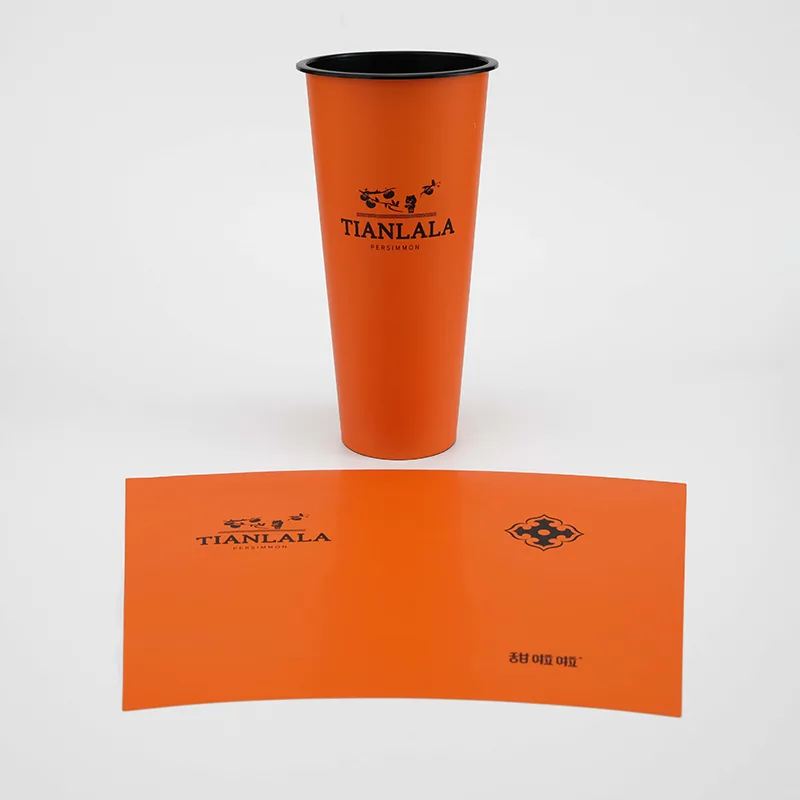
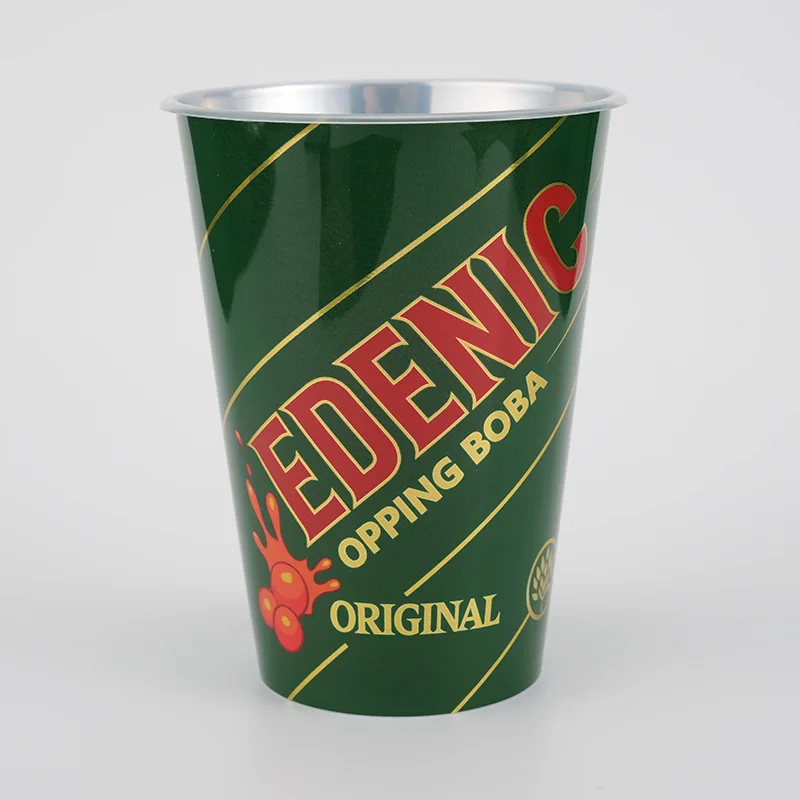
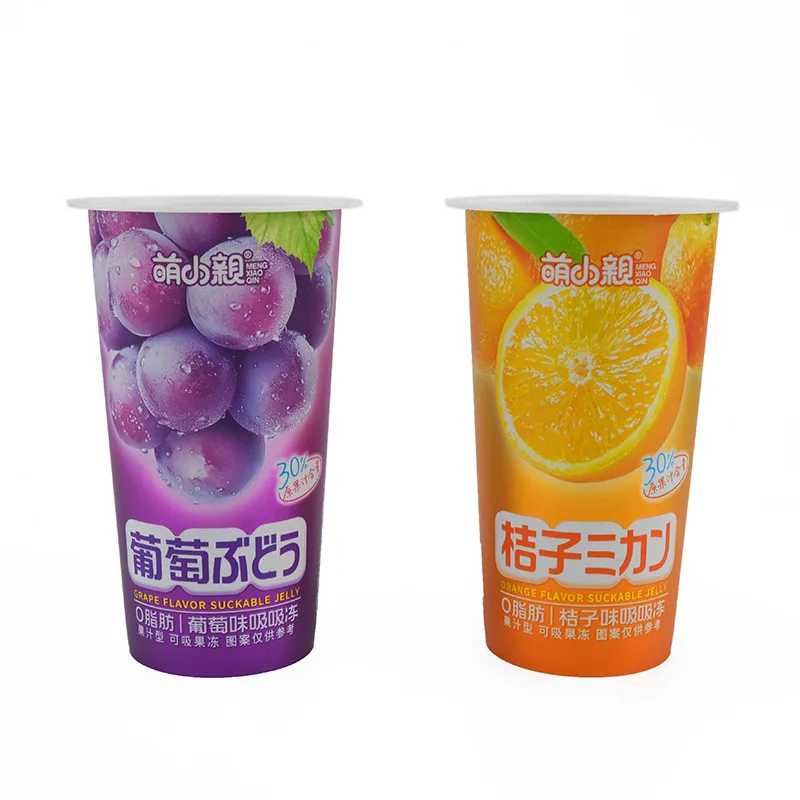
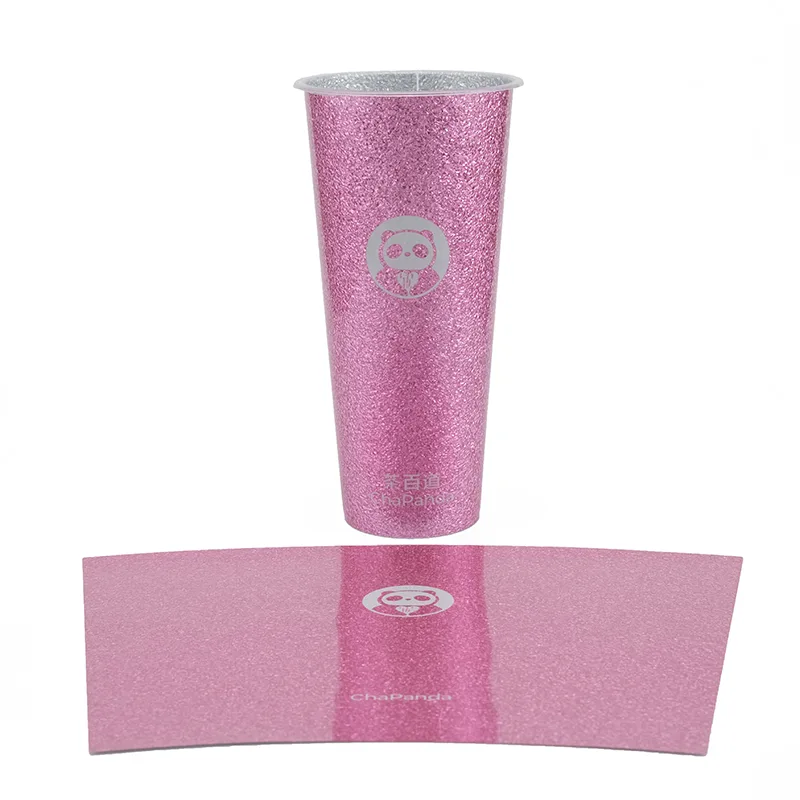
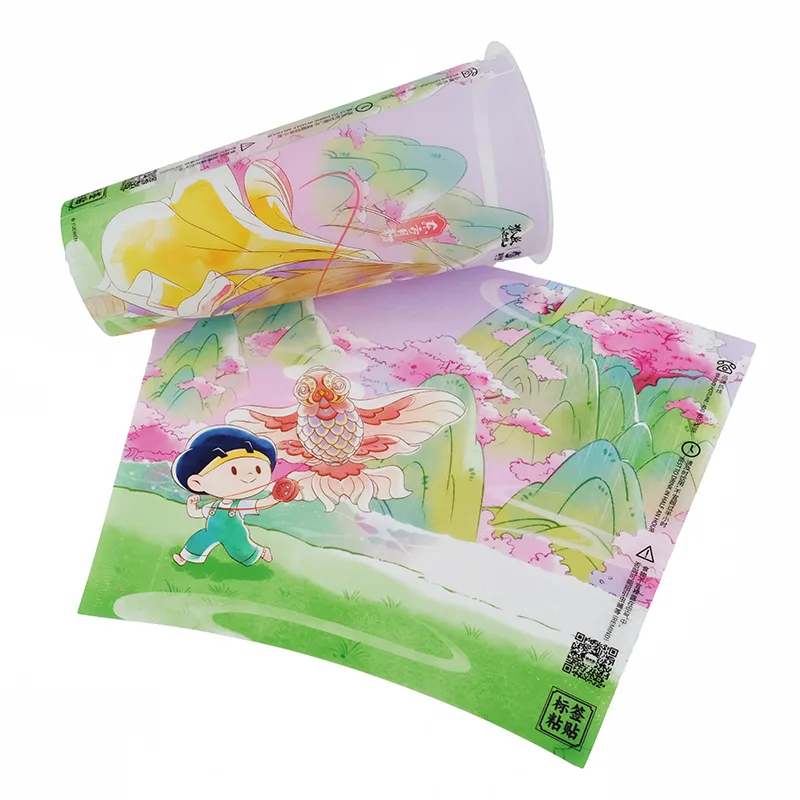
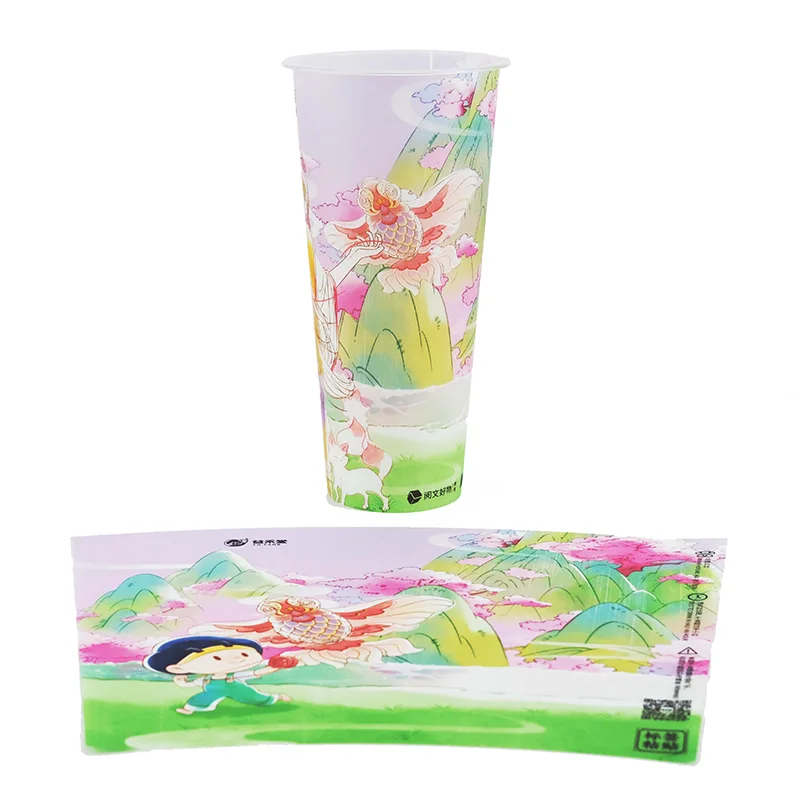
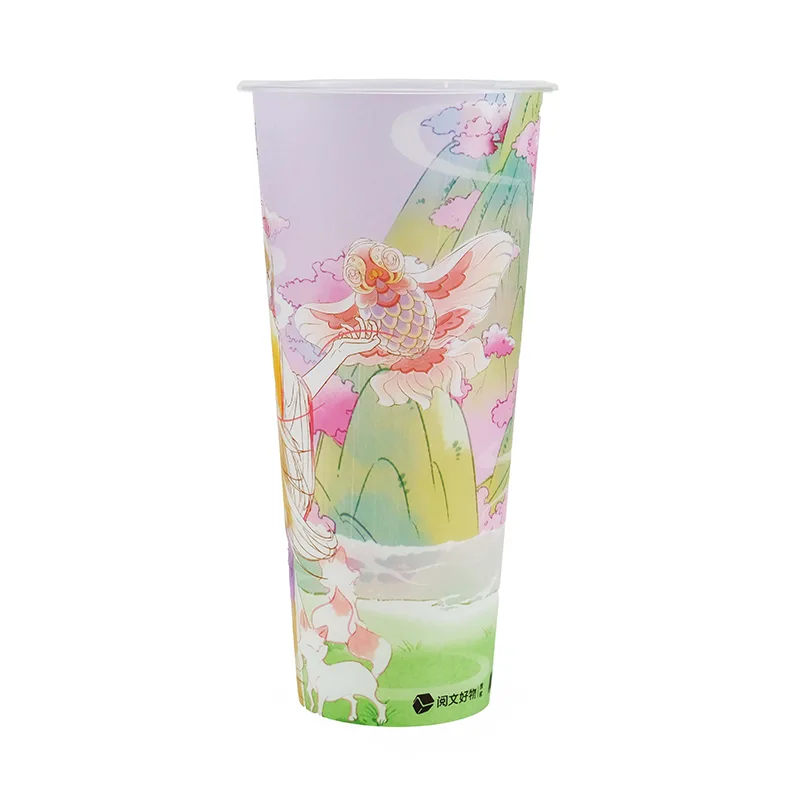
Zhongyu Factory directly sells this IML Label PP Coffee Cup by Injection Molding. It is skilled at transferring complex cup body images such as traditional Chinese style illustrations, trendy IP characters, and 2D hand-drawn paintings. The entire set of illustrations, copyrighted IP images, traceability QR codes, and warning signs are integrated into the mold label, and are fused with the cup body during the injection molding process.
Send Inquiry
Product Description
Zhongyu's suppliers manufacture this IML Label PP Coffee Cup by Injection Molding to address the pain points of projects related to trendy cultural products and IP collaborations for limited-edition cups. They solve the problem of large-format gradient illustration output that is difficult to achieve with ordinary screen printing or self-adhesive materials. The label image is sealed in the plastic layer, and there will be no pattern wear or cup body warping when soaked in water.
Material advantages
1. Special film material suitable for high-saturation illustration printing
2. Food-contact grade composite substrate, preventing ink from leaking out
3. Excellent injection molding stretch adaptability
4. Environmentally resistant base material, suitable for the entire circulation chain
5. Can be recycled together, reducing packaging processing costs
Performance testing
1. Pattern Stretch Simulation Test
Simulate the high-temperature stretching condition during injection molding in advance, check the deformation of illustrations, text, and QR codes, and correct the manuscript in advance to prevent pattern stretching and deformation in the final product.
2. Cold and Hot Alternating Cycle Test
Simulate alternating high and low temperatures, simulate the storage in cold storage and the alternation of cold and hot beverages in stores, observe whether the label layer shows layering or bubbles, and verify the firmness of the interlayer bonding.
3. Water Vapor Immersion Resistance Test
Simulate the long-term water vapor immersion scenario of the store, inspect whether there are bubbles or delamination phenomena, and verify the firmness of the interlayer bonding.
4. Abrasion and Wiping Test
Repeatedly dry wipe and wet wipe the surface of the cup, ensuring that the illustration patterns do not become white or worn, meeting the usage scenarios of frequent water contact in the store and consumers holding and playing with.
5. Ink Migration Safety Test
Carry out migration detection according to food contact packaging standards, confirm that the ink will not be released, and ensure the safety of beverage use.
6. Batch Consistency Verification
Make multiple consecutive printing samples of the same pattern for comparison, control the color deviation between different batches, and ensure the visual uniformity of the large-scale IP collaboration cups in large quantities.
IML Label Injection Molding Production Process
1. Gravure printing on PET/PP film and Lamination
2. Cutting into standard label sheets
3. Automatic robot places labels into injection mold cavity
4. Plastic melt injection, film and plastic melt into one piece
5. Demold finished IML plastic products directly
Custom IML Waterproof In Mold Label for Food Packaging Product Specificationsa
|
IML Material |
BOPP, PET, PLA, HDPE |
|
IML Size |
Customized According to Die Cutting Size |
|
IML Thickness |
65-85 Micron |
|
Temperature |
-30°C-120°C |
|
Core Advantages |
Whole Shaped Technology, Scratch Resisiant, Waterproof |
|
Application Scenarios |
Food Container, Daily Chemical, Industrial Packaging ,Home Appliance, Hosehold Product |
|
Rich Printing Effects |
Orange Peel, Matte, High Glossy, Transparent, Laser Hologram, Metallic Aluminum, Rainbow, Color change, 3D, Embossing |
|
Printing Colors |
Maximum 11 colors |
Customized service
1. IP / Traditional Chinese illustration manuscript adaptation processing
2. Quick switching between multiple versions and SKUs
3. Integrated printing of diverse information
4. We can provide physical injection molding proofing
5. Provide material and safety testing related documents by batch
6. Batch flexible delivery
FAQ
Q1: Will there be color discontinuity when using IML Label PP Coffee Cup by Injection Molding?
A: The special film material is adapted for gradient images. The initial draft is optimized to ensure the complete restoration of the illustration layers.
Q2: Can the already used injection molding molds be directly used for the IP version IML labels?
A: Provide a cup sample for stretching assessment. Some parameters of the molds can be adjusted slightly to be put into production.
Q3: Will the QR code printing inside the IML label affect the scanning recognition?
A: With reasonable design parameters, the QR code can be stably recognized. The scanning test can be conducted during the initial sample production.
Q4: Can small-batch trial samples be made for IP collaboration orders?
A: Sample production is supported. After confirming the physical effect, large-scale production can be initiated.
Q5: Can the label material meet the compliance conditions for exporting overseas food packaging?
A: Raw materials are strictly selected. Corresponding batch test reports can be provided according to the order.
Q6: What supporting conditions does your company have for IP creative IML projects?
A: We have our own cleanroom and R&D laboratory. We have multiple sets of practical experience in IP packaging implementation.
Q7: Will the label switching of different SKU series products prolong the delivery cycle?
A: The entire production line can complete it independently. The label edition change can be scheduled flexibly, reducing the version switching cycle.
Hot Tags: IML Label PP Coffee Cup Manufacturer, PP Coffee Cup Wholesale, Injection Molded Coffee Cup Supplier
Related Category
Send Inquiry
Please Feel free to give your inquiry in the form below. We will reply you in 24 hours.