
Home > Products > Household Products IML > Storage Box IML Label > IML Label PP Storage Box by Injection Molding
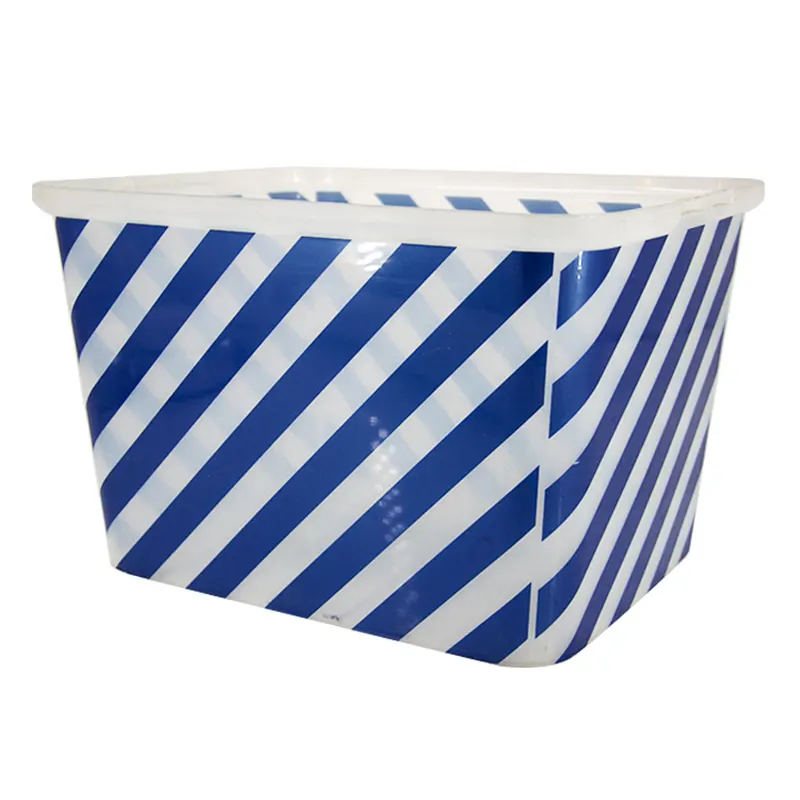
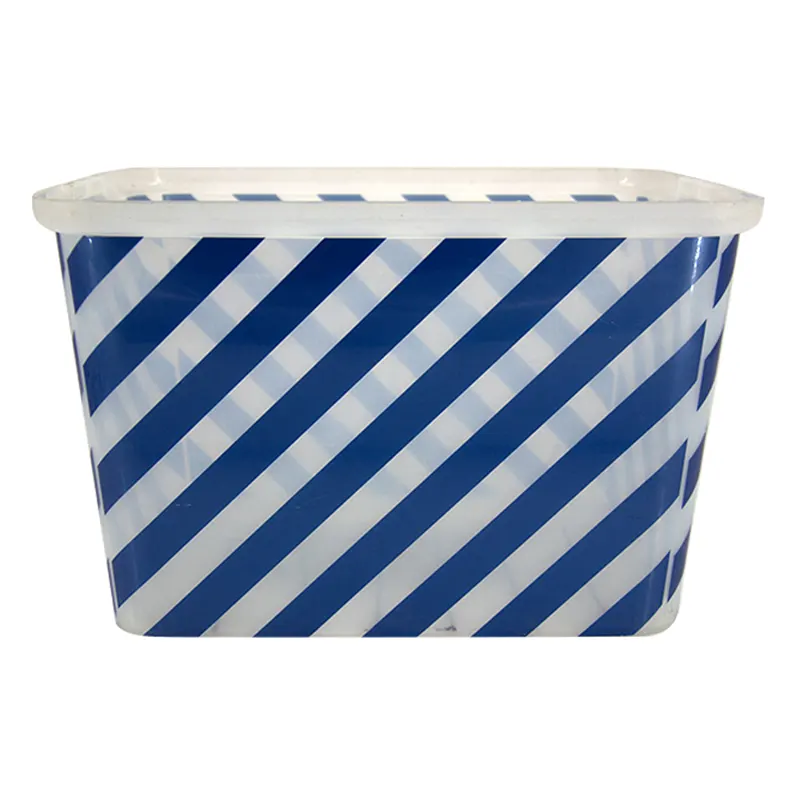
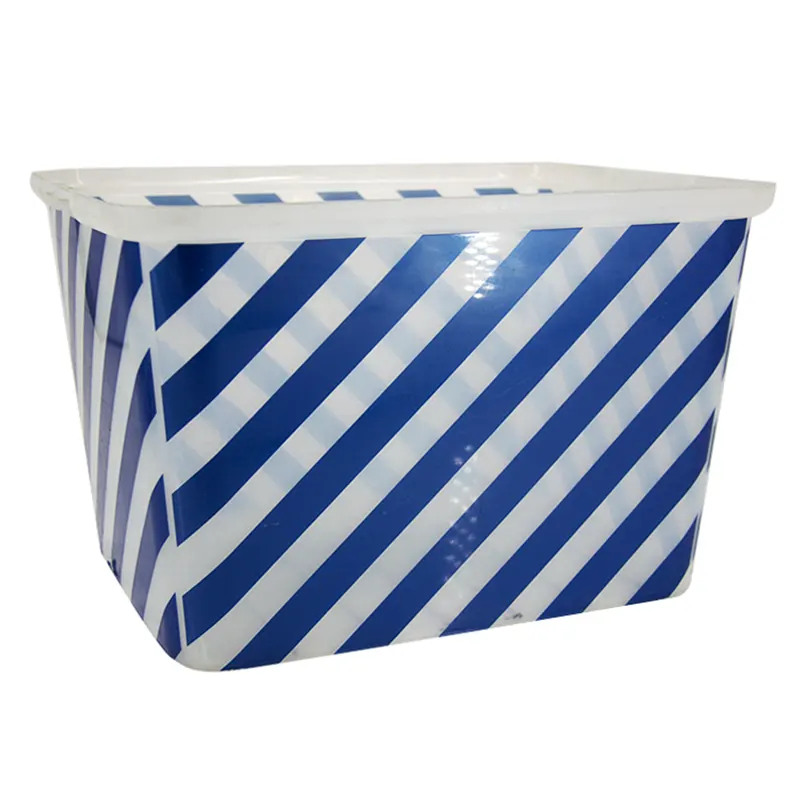
IML Label PP Storage Box by Injection Molding
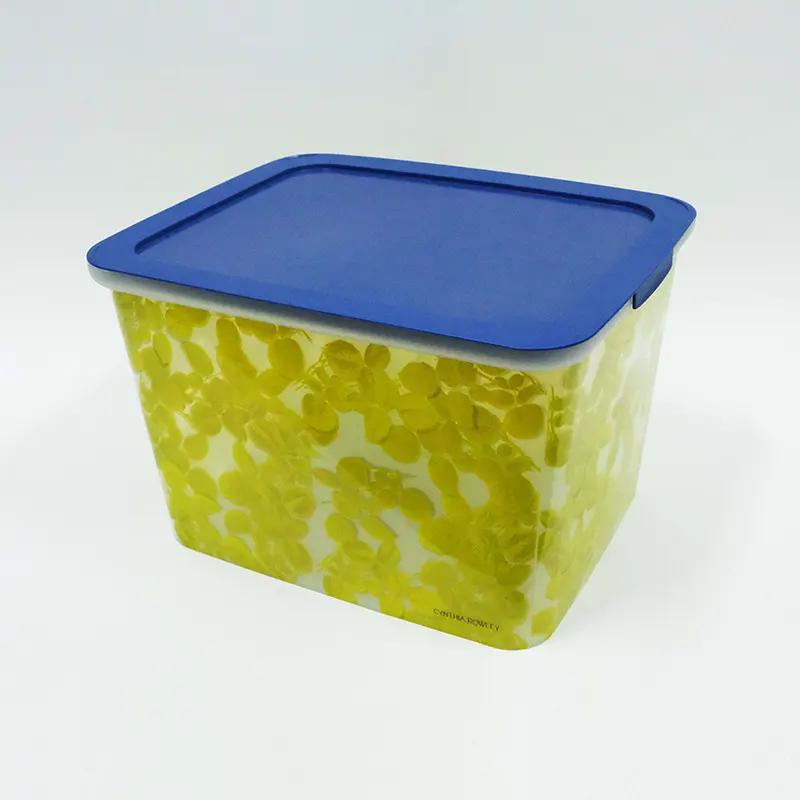
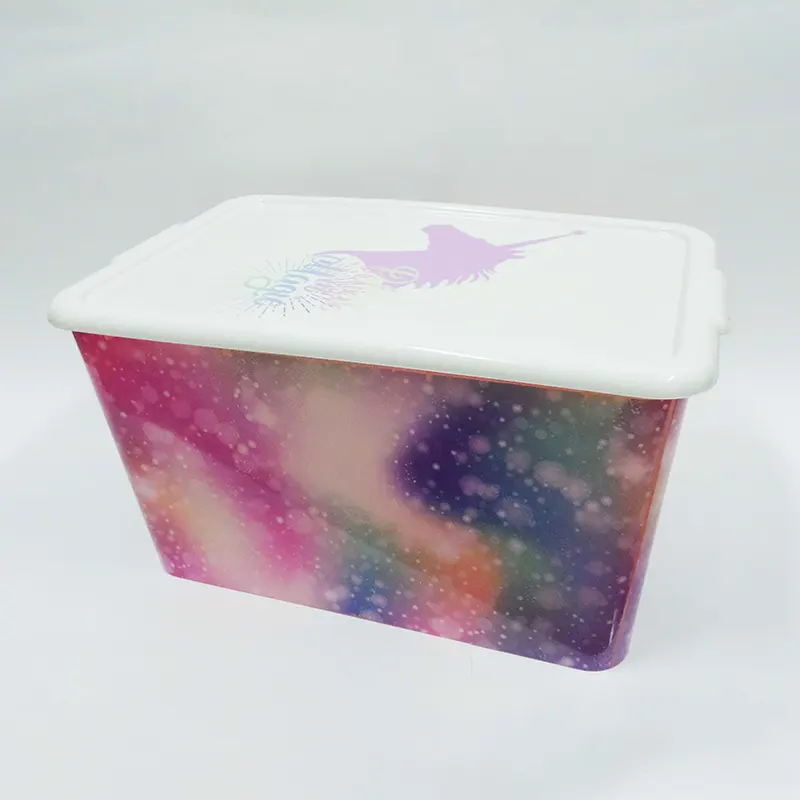
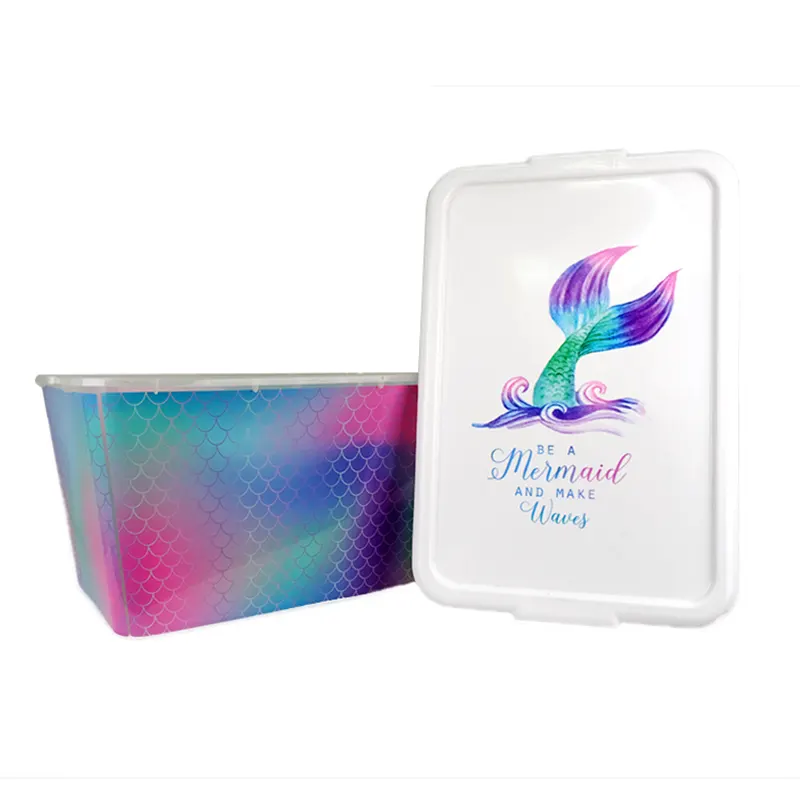
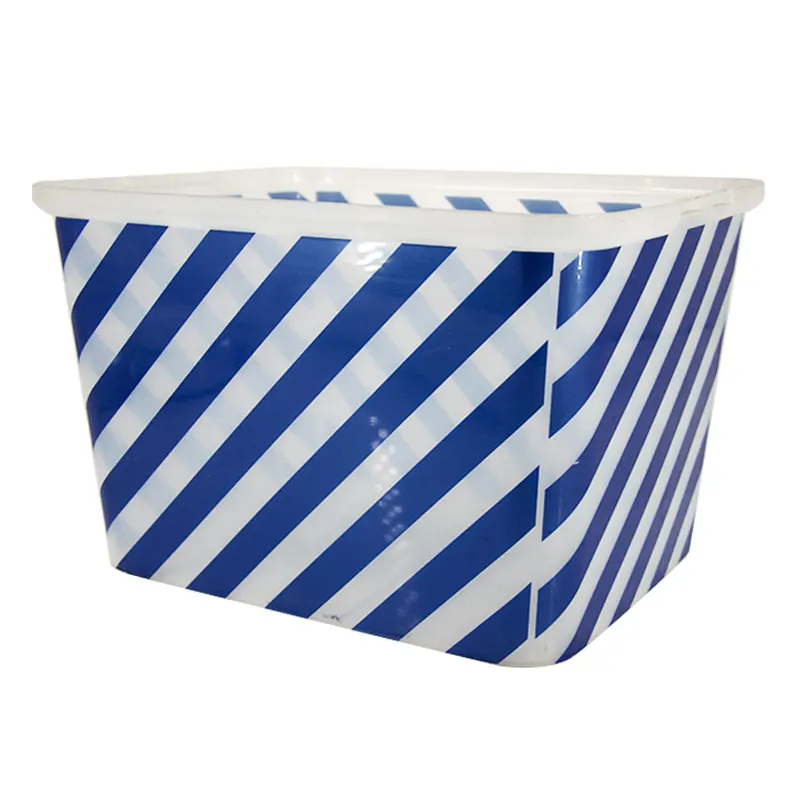
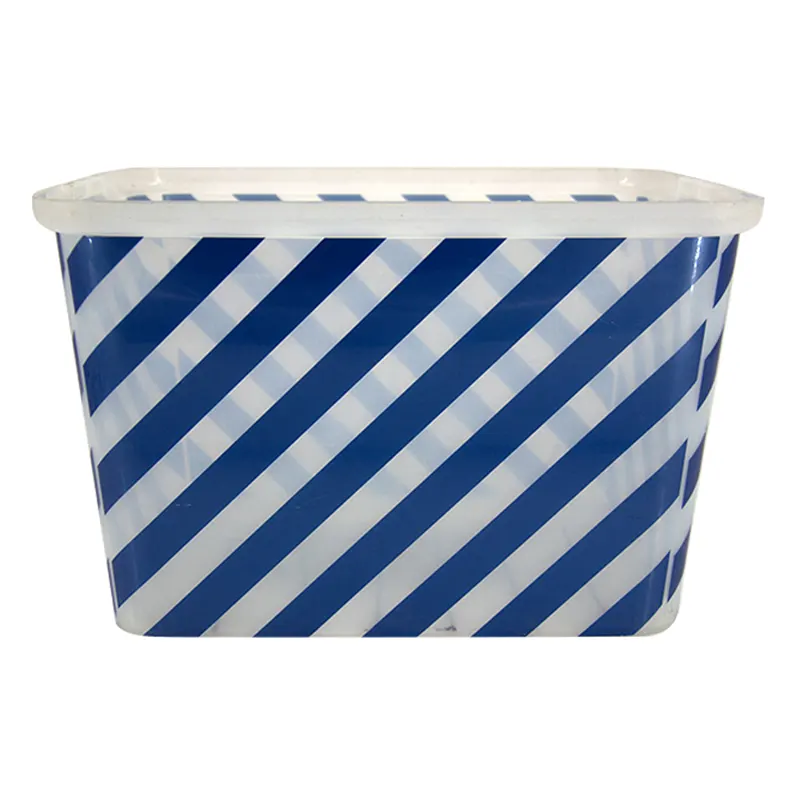
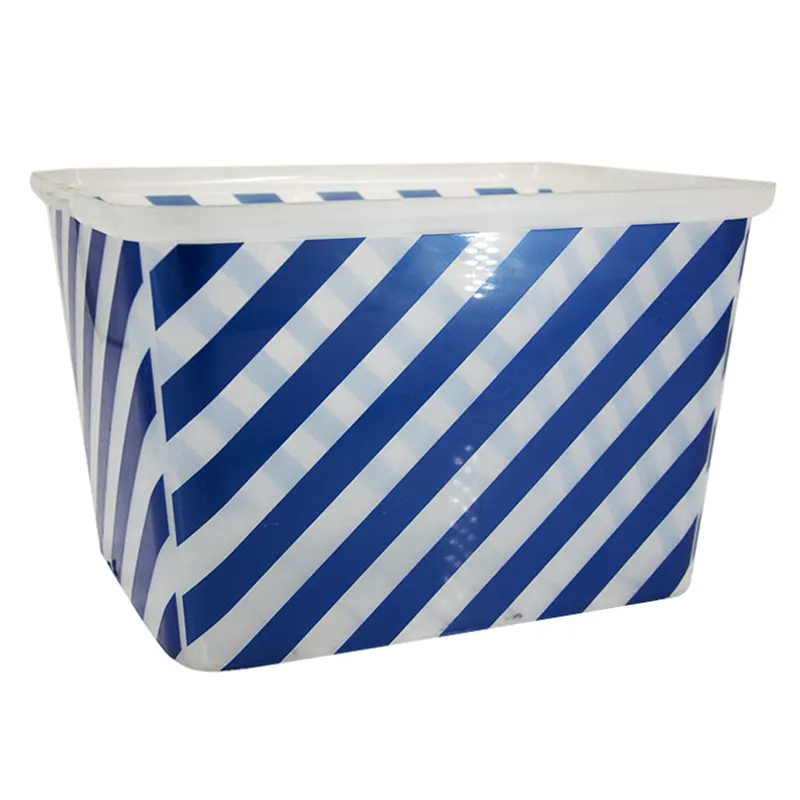
Zhongyu's China IML Label PP Storage Box by Injection Molding belongs to an integrated plastic storage container achieved through synchronous injection molding. The entire product is composed of a PP (polypropylene) base material and a custom-printed IML (Imprint Label) functional film. It differs from traditional plastic containers that are decorated later through secondary processes.
Send Inquiry
Product Description
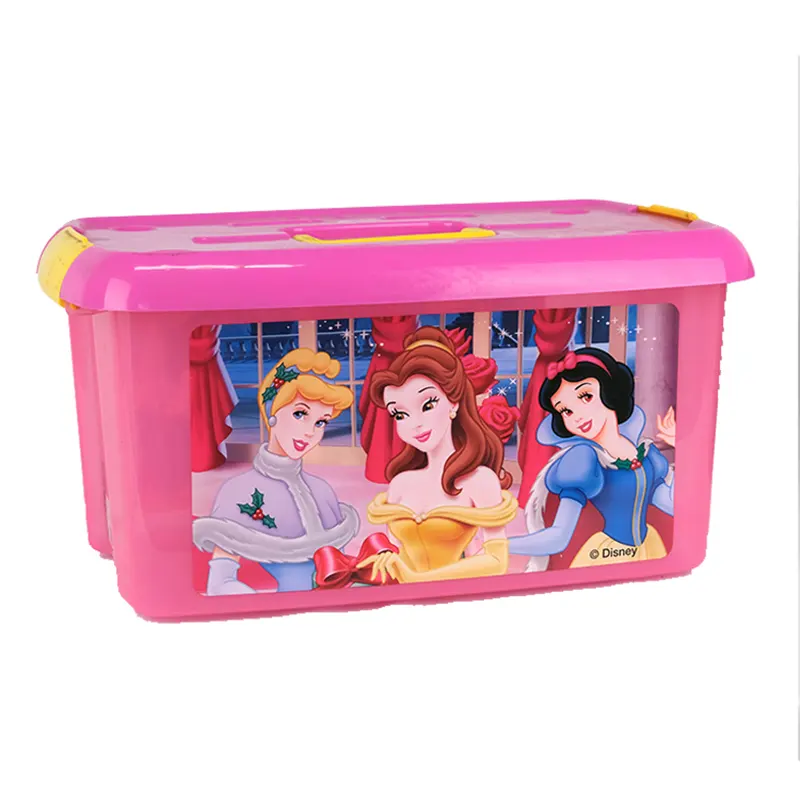
The China IML Label PP Storage Box supplied by Zhongyu's factory is mainly for injection molding manufacturing plants and brand ODM customers. It supports the targeted development of box size and appearance patterns. It is widely used in daily storage, food turnover, and commercial and department store plastic containers.
Production Logic
The specially printed film is pre-installed inside the injection mold cavity. The hot-melt PP raw material is injected into the mold cavity. Under the combined action of pressure and temperature, the plastic melt and the printed film undergo melting and bonding. After cooling and demolding, the decorative film directly solidifies into the surface structure of the box.
Custom IML Waterproof In Mold Label for Household Product Specifications
|
IML Material |
BOPP, PET, PLA, HDPE |
|
IML Size |
Customized According to Die Cutting Size |
|
IML Thickness |
65-85 Micron |
|
Temperature |
-30°C-120°C |
|
Core Advantages |
Whole Shaped Technology, Scratch Resisiant, Waterproof |
|
Application Scenarios |
Food Container, Daily Chemical, Industrial Packaging ,Home Appliance, Hosehold Product |
|
Rich Printing Effects |
Orange Peel, Matte, High Glossy, Transparent, Laser Hologram, Metallic Aluminum, Rainbow, Color change, 3D, Embossing |
|
Printing Colors |
Maximum 11 colors |
Details
1. Film appearance details
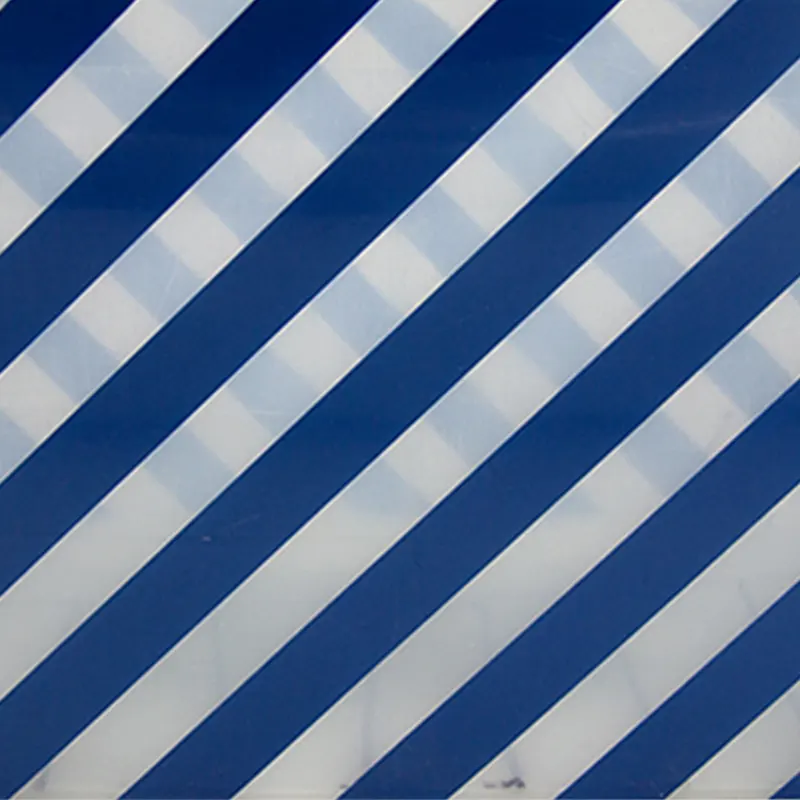
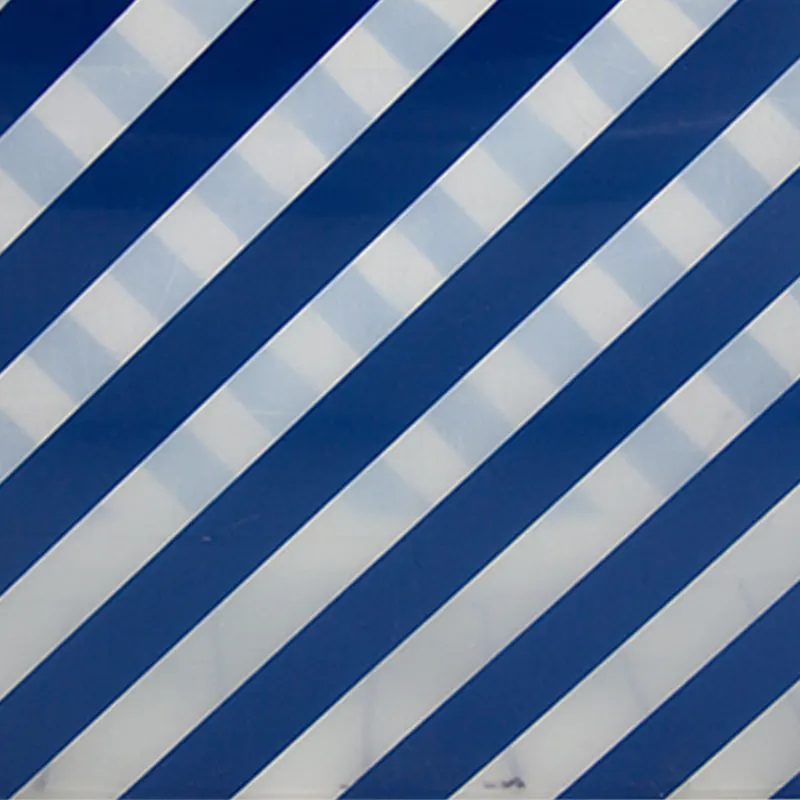
The printed film surface is placed on the inner side of the box, and the plastic wraps the printing ink layer. The ink does not directly expose outside, preventing direct wear and tear on the pattern; various visual effects such as stripes, geometries, gradients, and color block combinations can be achieved, with sharp edges without smudging.
2. Box body base material details
PP polypropylene base material, which can be selected from general-purpose or food-contact grade particles; the box wall is compatible with various wall thickness specifications, balancing container rigidity and toughness, and the edge transitions are suitable for IML film stretching deformation, reducing the risk of edge cracking.
3. Die-cut edge details
The IML film sheet is precisely die-cut, with reserved process margins for the edges, and during injection molding, there is no problem of film running or edge curling, and there is no excess film material overflow at the edge of the finished box.
4. Surface touch sensation details
The finished product's outer surface is smooth and flat, without raised labels or glue seams, and the film boundary is not felt when touched, presenting an overall integrated visual effect.
5. Environmental adaptability details
The finished product can withstand low-temperature environments in refrigerators and is suitable for daily water washing and wiping; it is not suitable for high-temperature boiling or open flame baking scenarios.
6. Visual consistency details
The same batch of film sheets control printing color differences, for geometric stripe patterns, the pattern alignment deviation can be controlled, reducing the occurrence of misalignment defects in the finished product.
7. Recycling compatibility details
The IML Label PP Storage Box by Injection Molding material is compatible with the PP box base material, and the recycling and crushing do not require separating the labels, simplifying the recycling processing procedures.
Test
1. Alternating temperature cycle test: Simulate the back-and-forth switching between the refrigerator's cold storage and room temperature, and check that the film layer does not bubble, crack, or shift the pattern after multiple cycles.
2. Abrasion resistance test: Use standard test cotton cloth to repeatedly wipe the outer surface of the box, and observe that the pattern does not fade or show exposed base color.
3. Injection molding simulation test: Replicate the actual injection molding temperature and pressure parameters of the customer, verify the tensile strength of the IML Label PP Storage Box by Injection Molding under corresponding conditions, and identify the risks of curling and film cracking.
4. Chemical contact test: Contact with household neutral cleaning agent, observe after standing still that the film layer does not bulge or peel off.
5. Edge and corner bending stress test: Conduct stress verification at the corner positions of the box to confirm that the film does not have micro cracks after being stretched.
IML Label Injection Molding Production Process
1. Gravure printing on PET/PP film and Lamination
2. Cutting into standard label sheets
3. Automatic robot places labels into injection mold cavity
4. Plastic melt injection, film and plastic melt into one piece
5. Demold finished IML plastic products directly
Hot Tags: IML PP Storage Box Manufacturer, IML Label Storage Box Supplier, Injection Molded PP Storage Box Wholesale
Related Category
Waste Bin IML Label
Storage Box IML Label
Cabinet IML Label
Tables and Chairs IML Label
Tableware IML Label
Water Basin IML Label
Send Inquiry
Please Feel free to give your inquiry in the form below. We will reply you in 24 hours.