
Home > Products > Food Packaging IML > Coffee Cup IML Label > Injection Molding PP Coffee Cup with IML Label
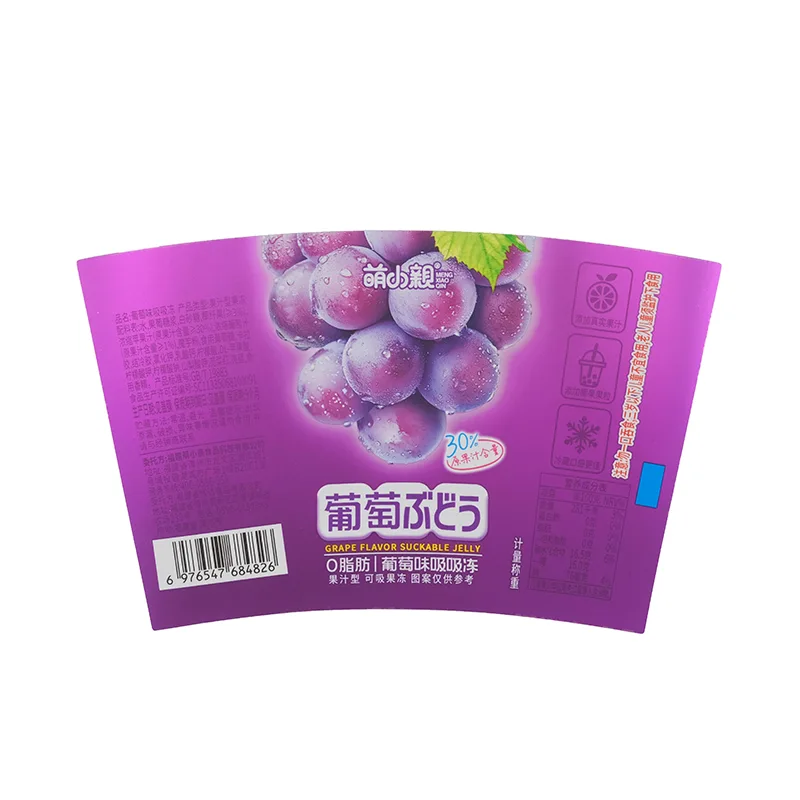
Injection Molding PP Coffee Cup with IML Label
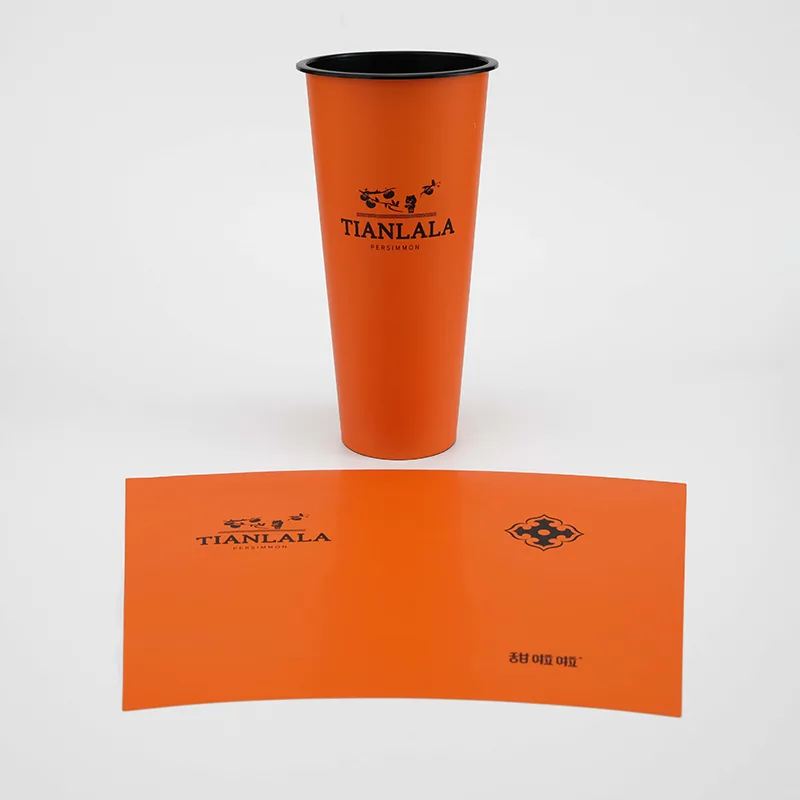
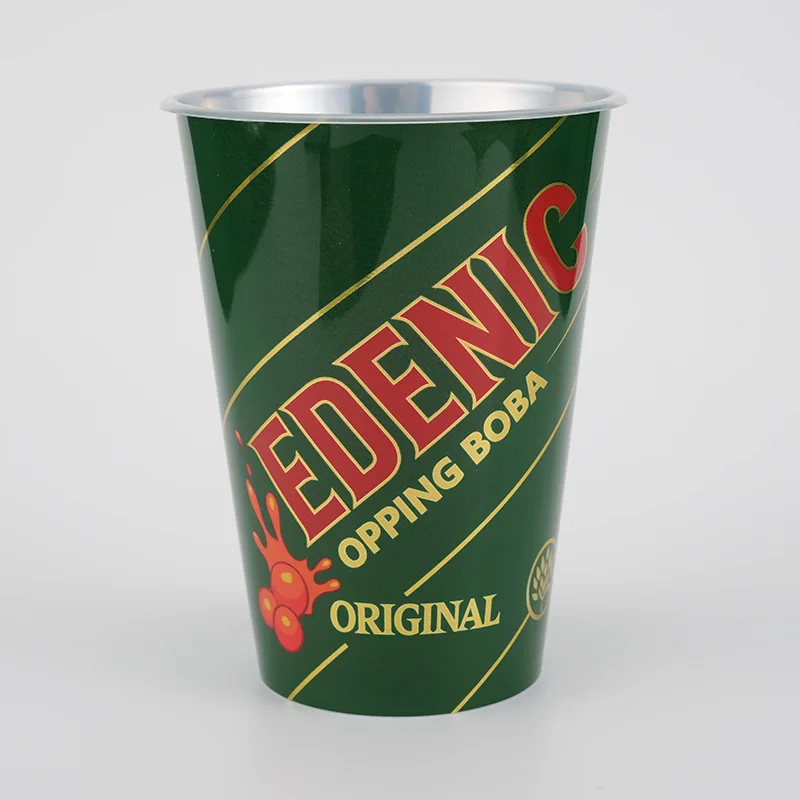
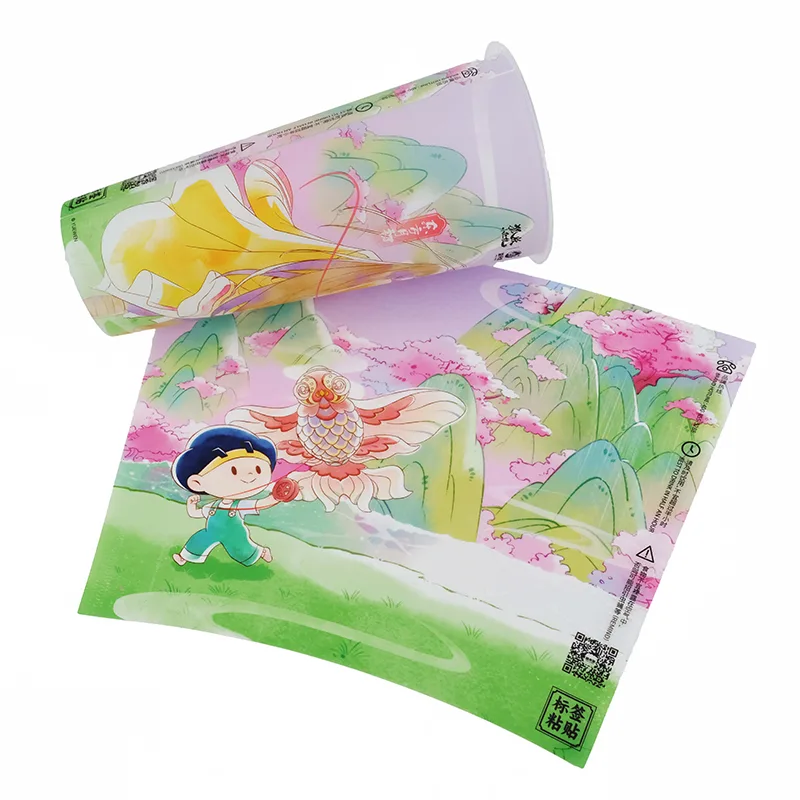
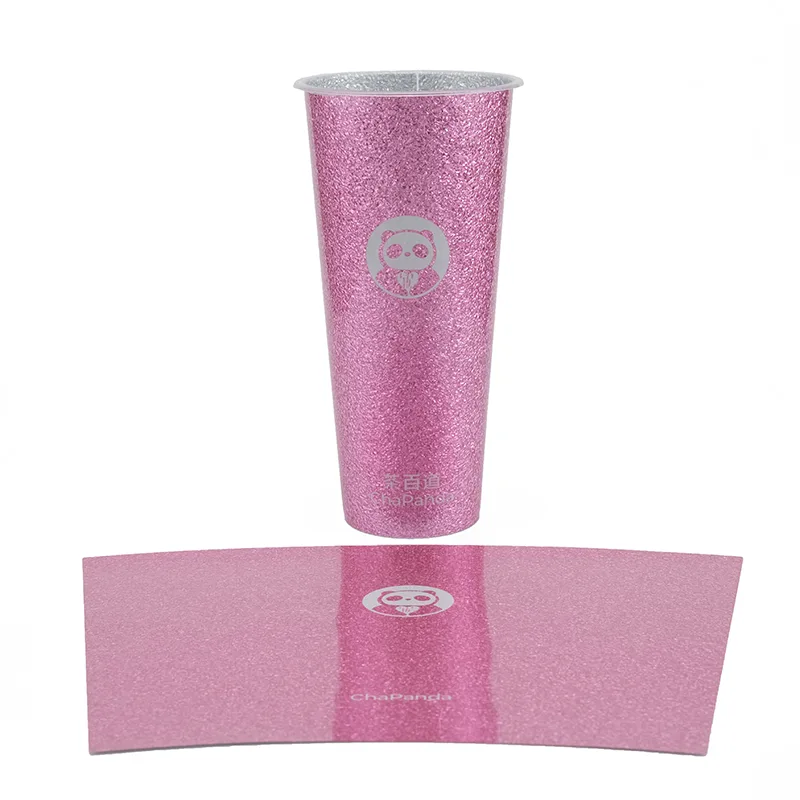
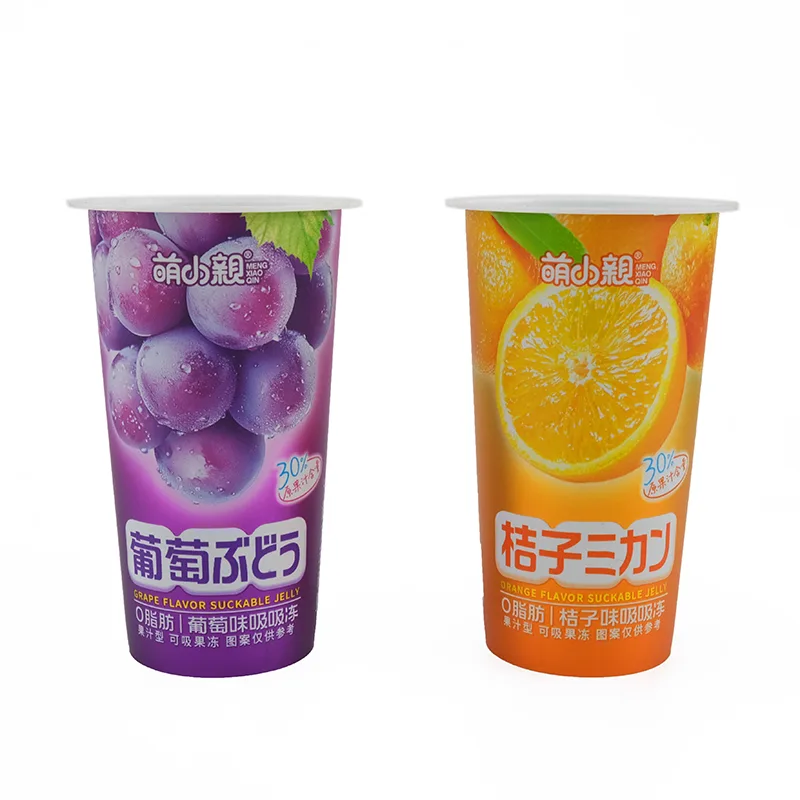
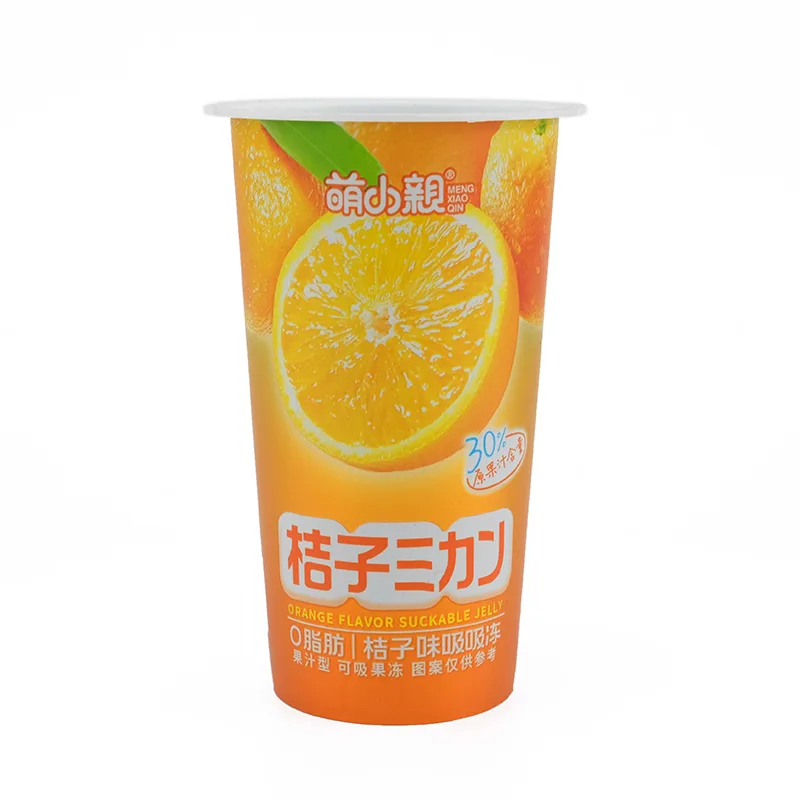
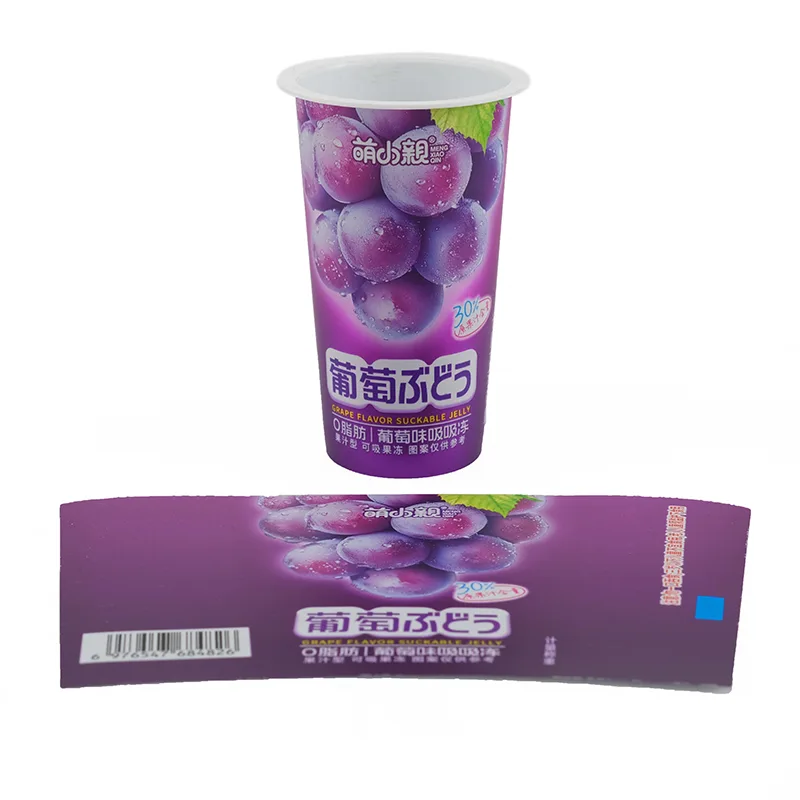
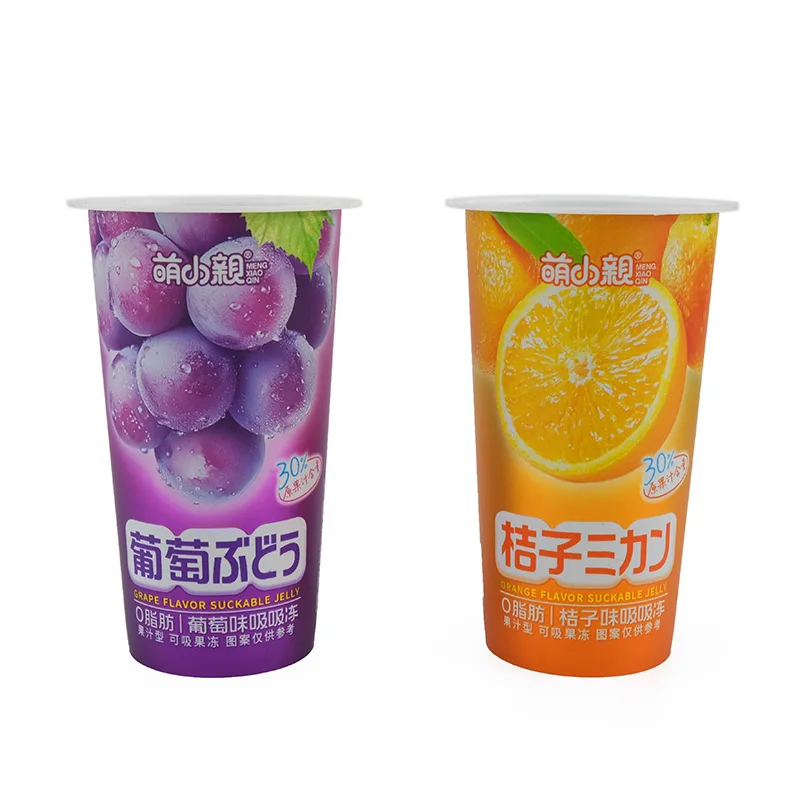
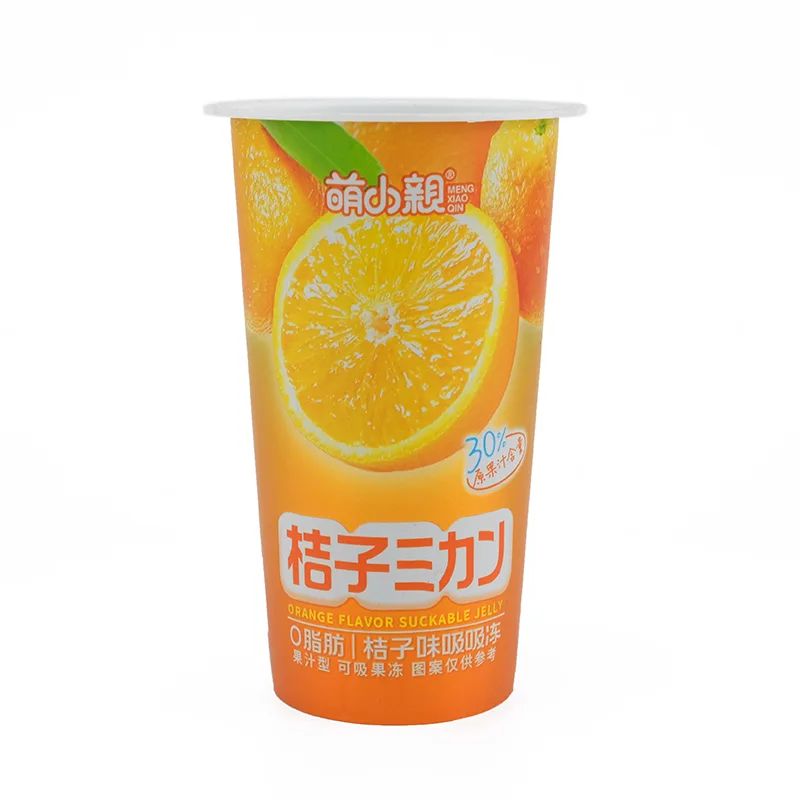
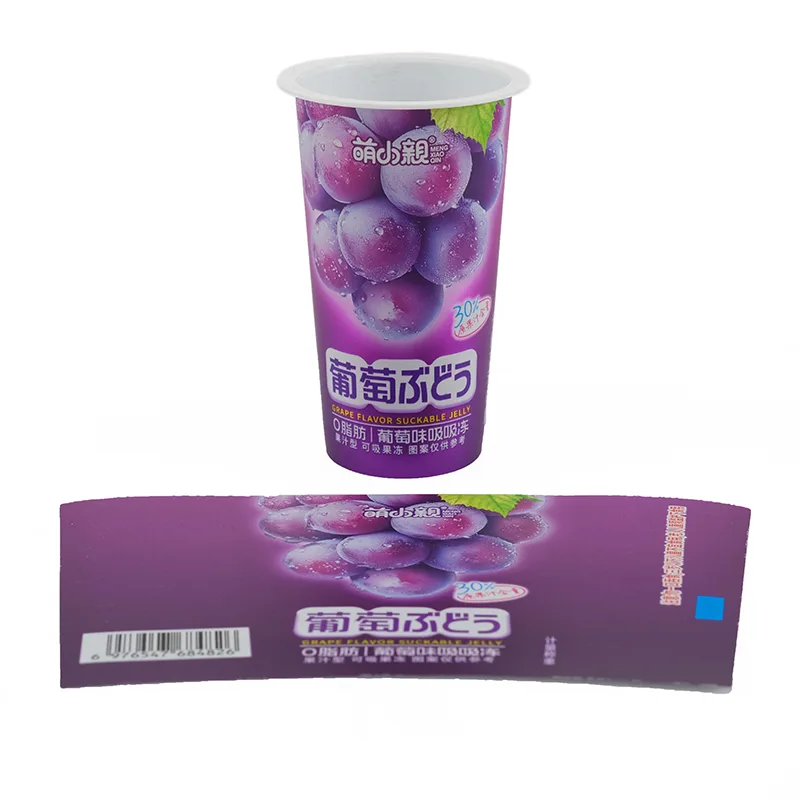
Zhongyu is a professional manufacturer and supplier of Injection Molding PP Coffee Cup with IML Label. This label is specifically designed for food injection-molded cups such as fruit jellies, flavored beverages, and ready-to-eat cold drinks. During the injection molding process, the printed label is fused with the PP cup body, presenting the fresh fruit patterns, product parameters, barcodes, and ingredient prompts in full on the cup body.
Send Inquiry
Product Description
Unlike the traditional method of attaching non-permanent adhesive labels after cup molding, Zhongyu's factory has created this Injection Molding PP Coffee Cup with IML Label. The printed images are sealed in the cup body's substrate layer, directly avoiding the common problems of label warping and falling off in food packaging.
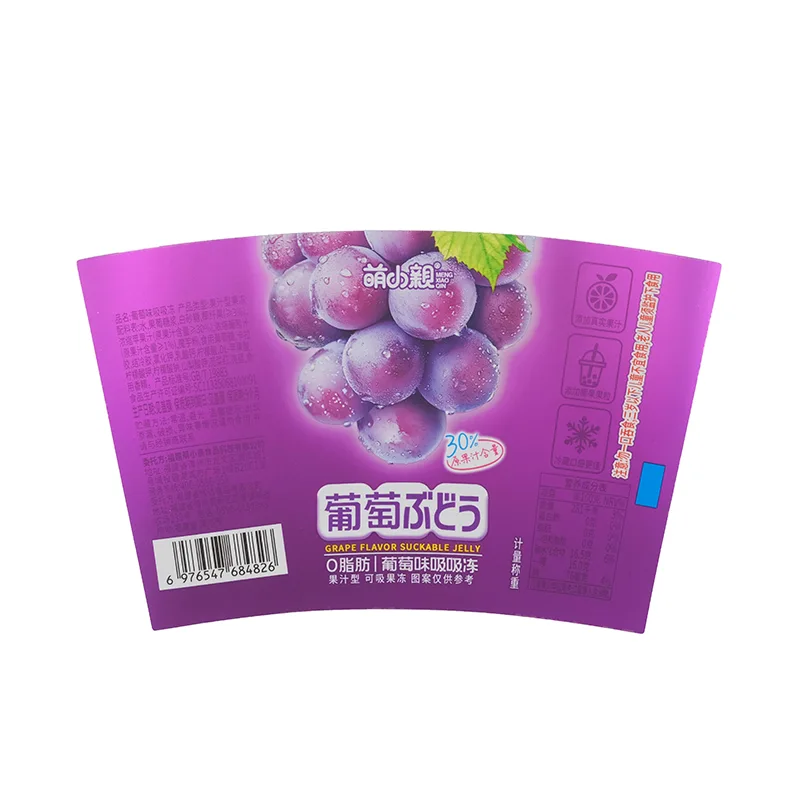
Custom IML Waterproof In Mold Label for Food Packaging Product Specifications
|
IML Material |
BOPP, PET, PLA, HDPE |
|
IML Size |
Customized According to Die Cutting Size |
|
IML Thickness |
65-85 Micron |
|
Temperature |
-30°C-120°C |
|
Core Advantages |
Whole Shaped Technology, Scratch Resisiant, Waterproof |
|
Application Scenarios |
Food Container, Daily Chemical, Industrial Packaging ,Home Appliance, Hosehold Product |
|
Rich Printing Effects |
Orange Peel, Matte, High Glossy, Transparent, Laser Hologram, Metallic Aluminum, Rainbow, Color change, 3D, Embossing |
|
Printing Colors |
Maximum 11 colors |
Manufacturing Process
1. Pre-press Processing
Match the customer's design draft, make corrections based on the cup's stretching deformation, and avoid pattern deformation and text compression after injection molding. Output the printing plate file.
2. Printing and Coating
Complete the graphic printing on the special food-grade film material and perform the required composite treatment to control the food contact compliance of the ink and film material.
3. Die-cutting and Forming
Use fully automatic high-precision die-cutting equipment to cut the roll material into single pieces of labels that fit the injection molding mold, and remove defective pieces.
4. Injection Molding Fusion
Send the Injection Molding PP Coffee Cup with IML Label that has been die-cut to the injection molding mold, melt the PP raw material into the cavity, and fuse the label and cup body at high temperatures to form a complete cup with patterns in one step.
5. Online Inspection
Conduct sampling and online inspection of the finished product's appearance, pattern position, and cup body integrity to eliminate defective products such as pattern offset and bubbles.
6. Packaging and Dispatch
After passing inspection, classify and pack the products, and deliver them to injection molding factories or food filling enterprises.
IML Label Injection Molding Production Process
1. Gravure printing on PET/PP film and Lamination
2. Cutting into standard label sheets
3. Automatic robot places labels into injection mold cavity
4. Plastic melt injection, film and plastic melt into one piece
5. Demold finished IML plastic products directly
Product Applications
1. Leisure Food Injection-Molded Cups
2. Commercial and Supermarket circulation Food Containers
3. Low-temperature Cold Chain Food Packaging
4. Export Food Order Companions
5. Seasonal, Multi-Taste Product Series
Differences Advantage Table
|
Item |
IML Label |
Self-adhesive Sticker |
|
Combination Method |
Physically fused with PP cup body, no adhesive |
Attached to cup surface by glue |
|
Cold-water soaking performance |
Resist long-term cold water soaking, no blistering |
Easy to blister and peel off under long-term moisture |
|
Printing position |
Graphic sealed inside plastic layer |
Printing layer exposed on outer surface |
|
Production procedure |
Cup finished with pattern after injection, no secondary labeling |
Need extra manual / automatic labeling process after cup injection |
|
Adapt to multi-SKU iteration |
Only change label, keep original mould |
Need adjust labeling equipment for different artwork |
|
Food-safety risk |
No glue contact with external environment |
Glue may face moisture-induced failure risk |
|
Recycling performance |
Integrated structure, convenient for unified recycling |
Sticker needs to be separated before recycling |
FAQ
Q1: Will the pattern on the injection-molded PP coffee cup with IML label come off after being refrigerated and soaked in water?
A: The label is fused with the cup body and can withstand long-term cold water immersion, so it will not bubble off.
Q2: Can the existing injection-molded jelly cup molds be directly adapted to IML labels?
A: A sample of the cup body needs to be provided to assess the stretching and demolding performance. Some molds do not require modification and can be put into production directly.
Q3: Do the entire set of label materials meet the food contact-related standards?
A: Food-grade film materials and inks are selected, and corresponding test reports can be provided according to the order batch.
Q4: Can the barcode and product description be all printed on the IML label?
A: Yes, barcode, parameters, and warning text can all be integrated into the cup body.
Q5: For multi-flavor product series, what is the approximate minimum order threshold?
A: The minimum order quantity fluctuates with the pattern process. Customized production plans can be provided based on the project.
Q6: Can your company undertake large-scale export orders for food packaging labels?
A: We have a complete set of automated production lines and have the capacity to deliver large quantities. We have long-term support for overseas food customers.
Q7: What are your company's supporting R&D conditions for food IML labels?
A: We have our own performance verification laboratory, a dust-free production workshop, and multiple related patents and system certifications.
Hot Tags: Injection Molding PP Coffee Cup with IML Label, PP IML Coffee Cup Supplier, Custom IML Coffee Cup Manufacturer
Related Category
Send Inquiry
Please Feel free to give your inquiry in the form below. We will reply you in 24 hours.