
Home > Products > Food Packaging IML > Snack Container IML Label > Injection Molding PP Snack Container with IML Label
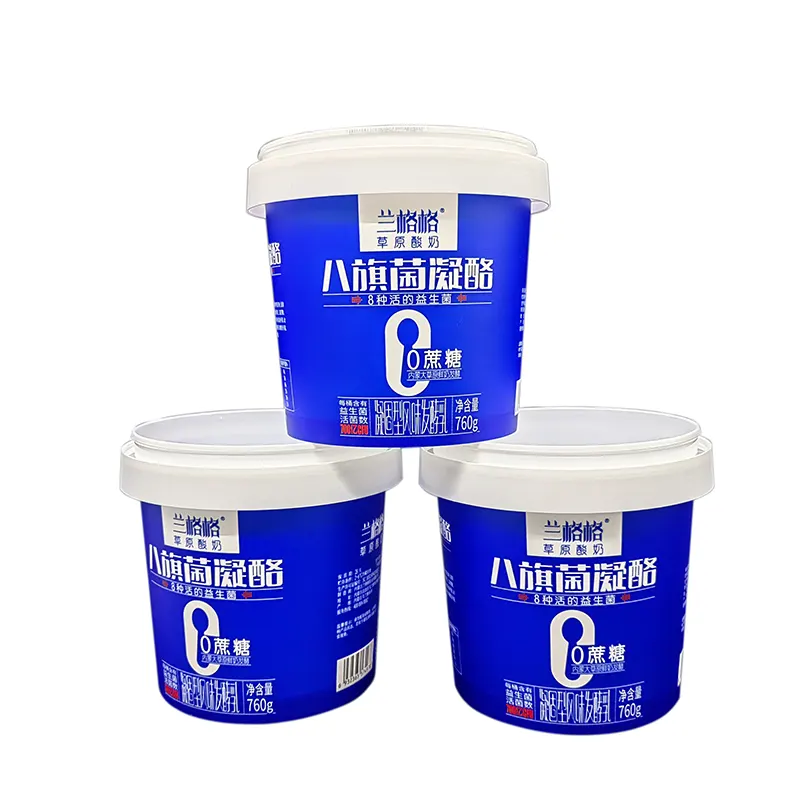
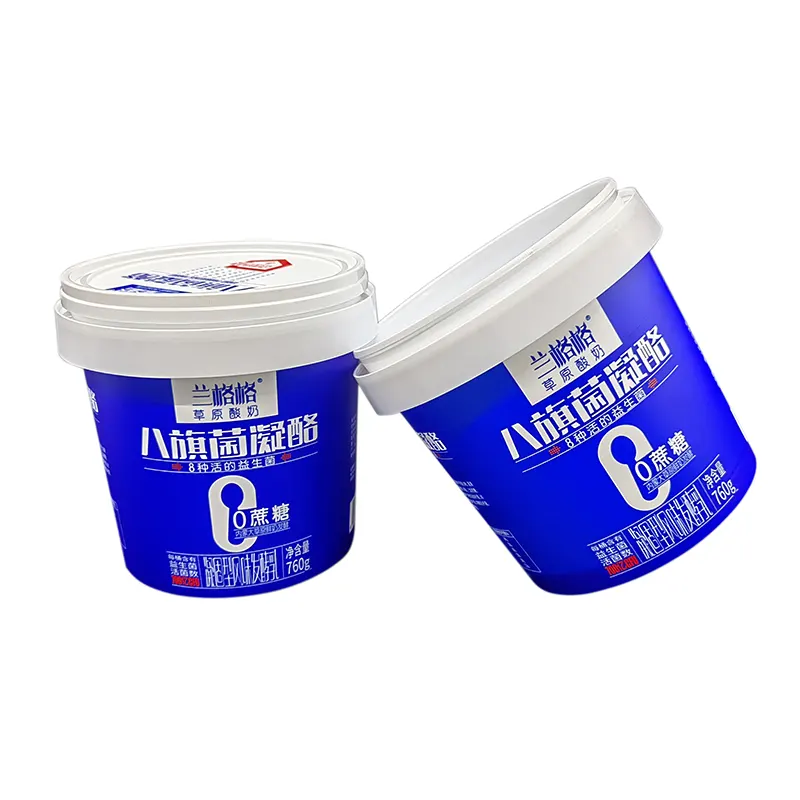
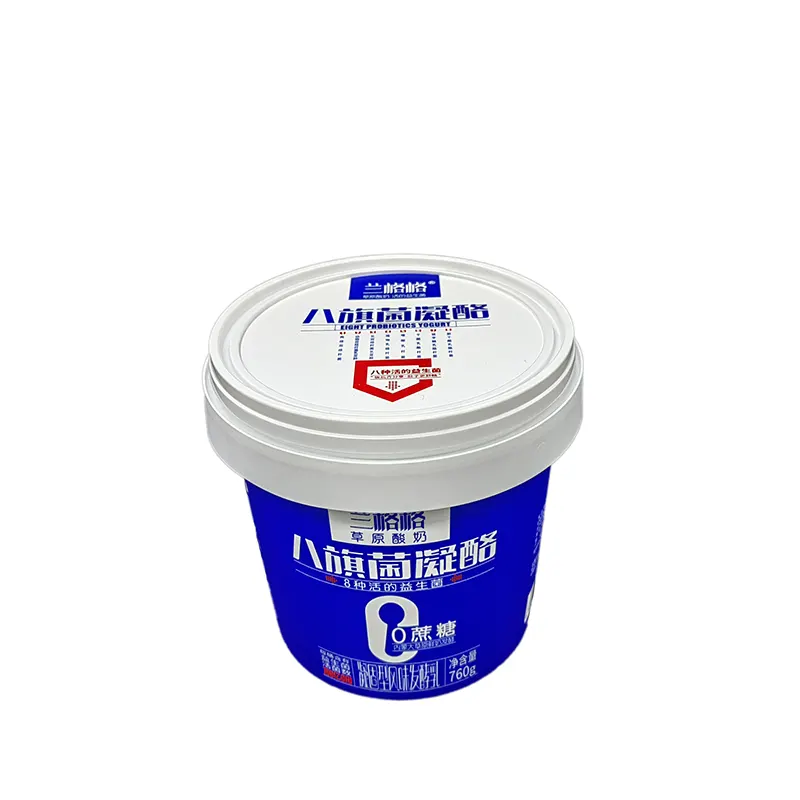
Injection Molding PP Snack Container with IML Label
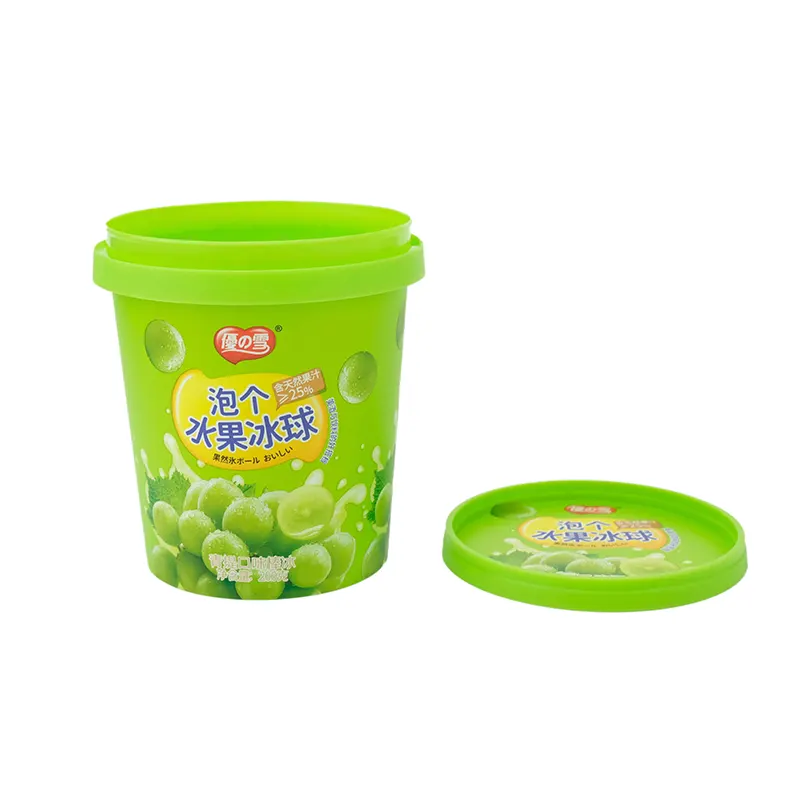
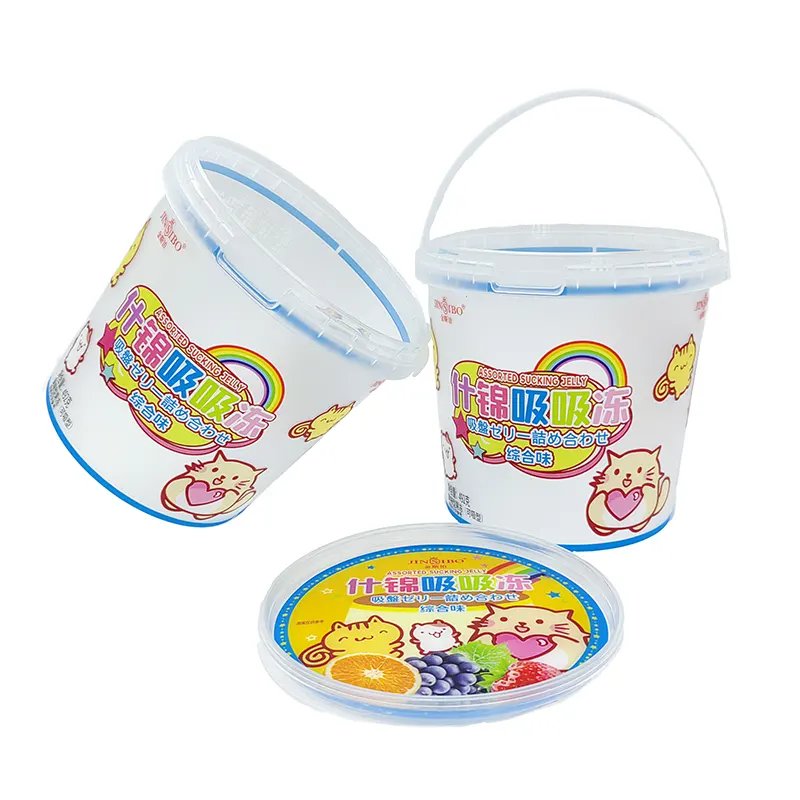
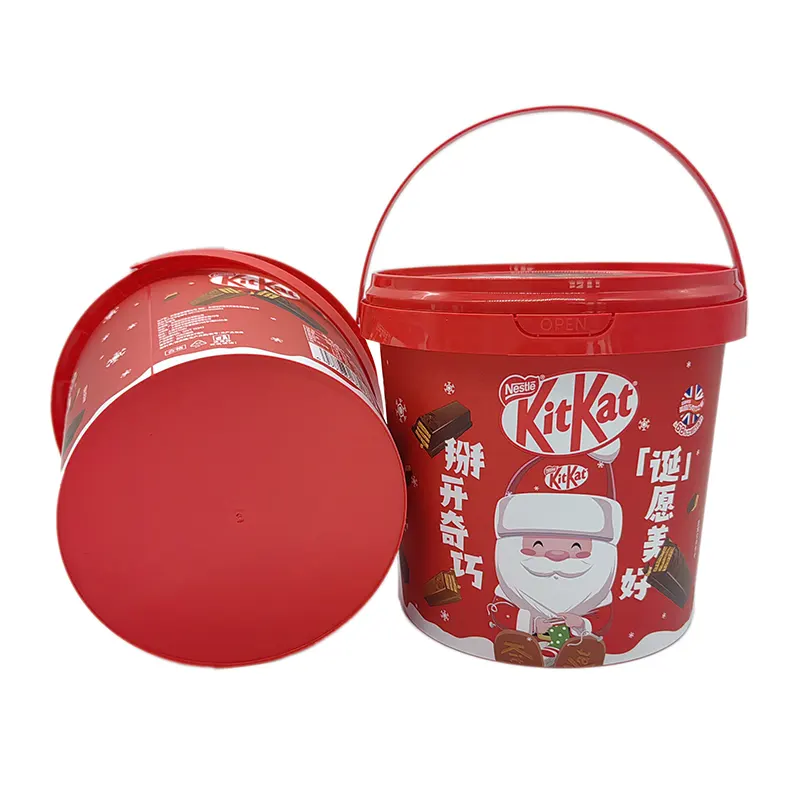
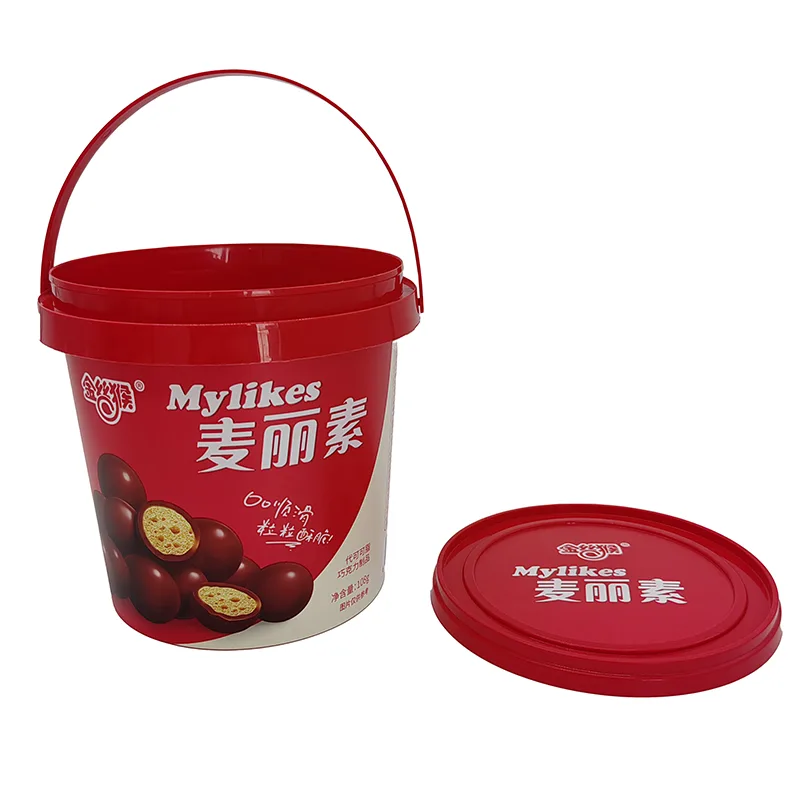
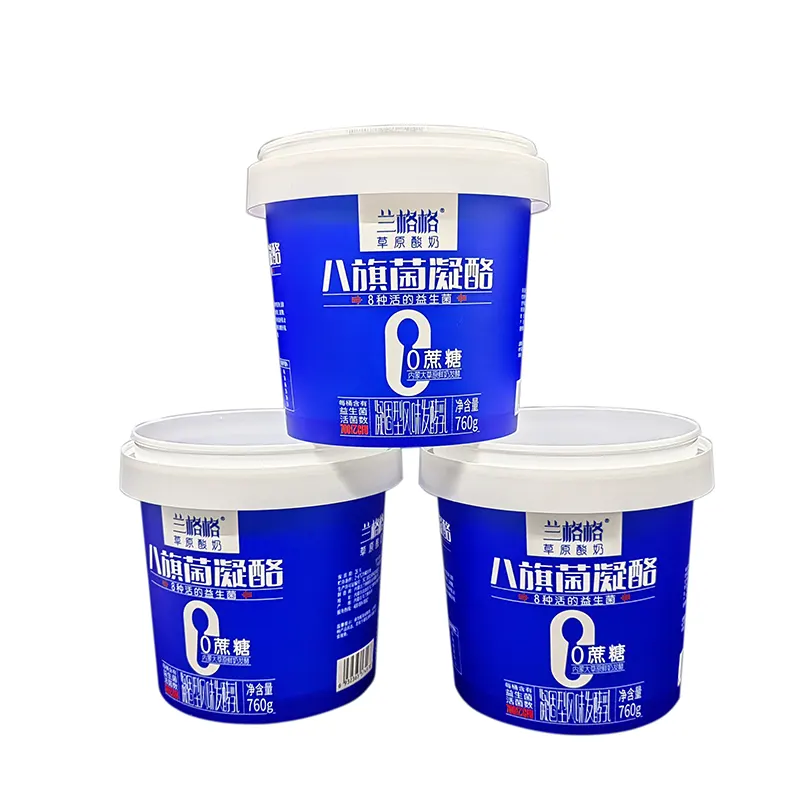
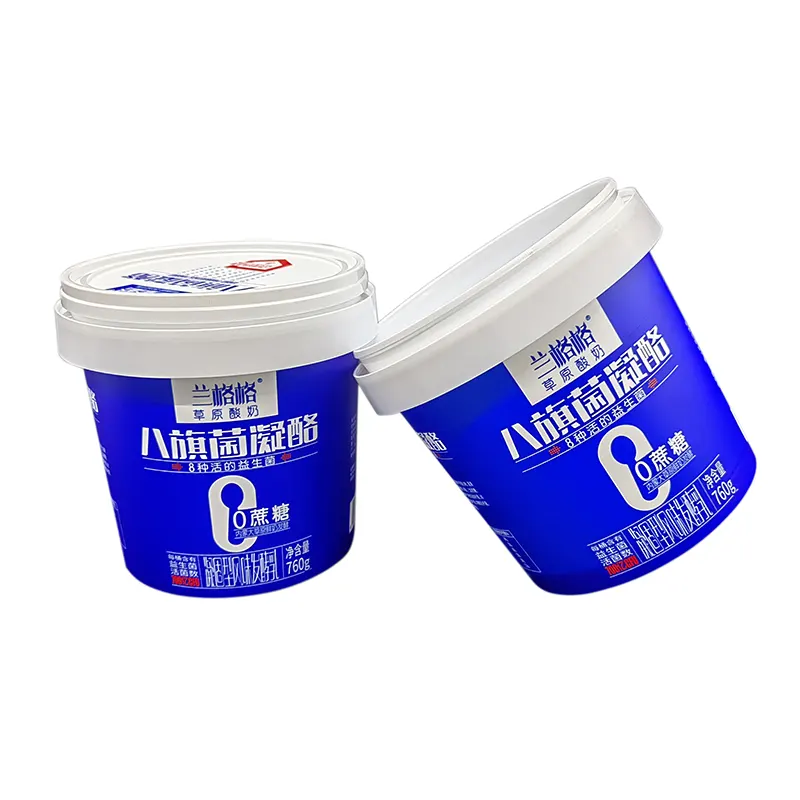
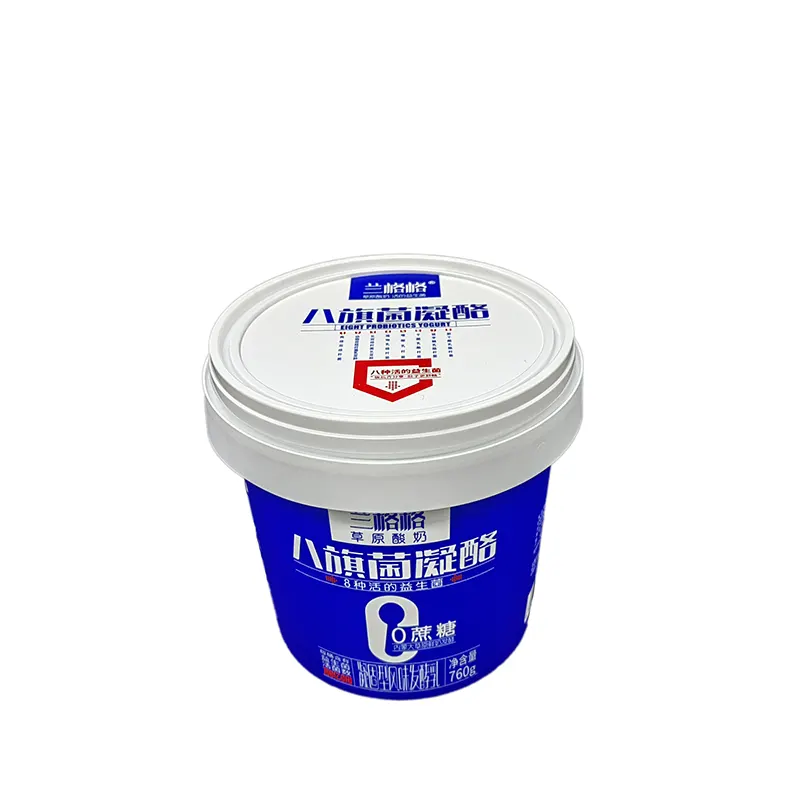
The Injection Molding PP Snack Container with IML Label supplied by Zhongyu Factory is suitable for large-capacity plastic buckets for cheese, yogurt, and fermented milk. It is specially developed with a dedicated process for the arc shape of the barrel body and the flange structure of the barrel mouth.
Send Inquiry
Product Description
The Injection Molding PP Snack Container with IML Label created by Zhongyu Manufacturer integrates with the PP barrel body during the injection molding process. The graphics and text are embedded inside the barrel wall, and there is no glue or film on the outside of the barrel.
IML Label Injection Molding Production Process:
1. Gravure printing on PET/PP film and Lamination
2. Cutting into standard label sheets
3. Automatic robot places labels into injection mold cavity
4. Plastic melt injection, film and plastic melt into one piece
5. Demold finished IML plastic products directly
Manufacturing process
1. Material selection evaluation:Based on the usage conditions of large-capacity refrigerated food, select membrane materials and inks that are resistant to low temperatures and acids. Conduct batch inspections of raw materials and establish material files.
2. Surface graphic and curved surface processing:Based on the 3D model of the wide-mouth straight barrel, analyze the stretching deformation of each part of the barrel body, and perform graphic compensation processing for large areas of background color, barcodes, and small text, and output production files.
3. Dust-free environment printing operation - Complete multi-color offset printing in a clean workshop, strictly control the deviation of offset printing, fully solidify the ink, and avoid the risk of ink migration in the later stage.
4. Precision die-cutting processing:Cut the label according to the barrel body contour, control the edge corners and size tolerance, and remove burrs and damaged materials.
5. Simulation molding verification - Make mold verification based on the injection molding conditions of the wide-mouth barrel, check whether the large areas of background color are mottled, the readability of the barcode, and the position of the graphics, and confirm the qualification before sealing the sample.
6. Sorting and packaging delivery - Sort the sheet materials according to the injection molding equipment requirements of the customer, and deliver the relevant food contact materials together with this batch.
Custom IML Waterproof In Mold Label for Food Packaging Product Specifications
|
IML Material |
BOPP, PET, PLA, HDPE |
|
IML Size |
Customized According to Die Cutting Size |
|
IML Thickness |
65-85 Micron |
|
Temperature |
-30°C-120°C |
|
Core Advantages |
Whole Shaped Technology, Scratch Resisiant, Waterproof |
|
Application Scenarios |
Food Container, Daily Chemical, Industrial Packaging ,Home Appliance, Hosehold Product |
|
Rich Printing Effects |
Orange Peel, Matte, High Glossy, Transparent, Laser Hologram, Metallic Aluminum, Rainbow, Color change, 3D, Embossing |
|
Printing Colors |
Maximum 11 colors |
Core selling point
The base color covers a large area and forms stably.
The barcode and small text are formed reliably.
It is suitable for refrigerated acidic food environments.
It eliminates hygiene hazards caused by glue seams.
It is compatible with automated injection molding production lines.
The appearance of the barrel body has a strong sense of unity.
Notes for Attention
1. The edge of the large bucket opening will undergo local stretching. Important graphics and text in the manuscript need to avoid the area with the edge deformation to prevent the key information from being distorted.
2. The large solid color background requires specific injection molding temperature and mold specifications. For new projects, it is necessary to conduct trial molding on the machine. It is not recommended to directly mass-produce without testing.
3. The Injection Molding PP Snack Container with IML Label is used for acidic fermented foods. It is necessary to confirm that the consumables match the acidity of the product. Do not directly apply the general IML parameters for daily use products.
4. The finished bucket should avoid prolonged direct sunlight exposure to prevent the PP substrate from aging and indirectly affecting the printing appearance.
5. The exhaust and gate positions of the mold will affect the IML molding effect. In the early stage, it is necessary to simultaneously evaluate the mold structure to reduce the risk of base color defects.
FAQ
Q1: Does the large-capacity food bucket with a large area of solid color base color tend to have color bleeding after injection molding?
A: We conduct graphic compensation and simulation mold testing in advance, optimize process parameters, and reduce the probability of color bleeding on the base color.
Q2: Can the barcode formed by IML be scanned and recognized normally?
A: We make deformation compensation for the barcode, test the scanning performance through mold verification, and ensure that it can be scanned and recognized normally after forming.
Q3: Will the label ink of acidic fermented and refrigerated food cause migration?
A: We select food-grade acid-resistant consumables, conduct new project process condition verification, and avoid the risk of ink migration.
Q4: Are all production processes completed by your company?
A: Printing and die-cutting are all completed in our cleanroom factory, without outsourcing, and complete batch records are retained.
Q5: How to handle the bucket mouth flange of the large-mouth bucket that causes graphic deformation?
A: Avoid the deformation area of the flange, and optimize the draft based on the 3D drawings in advance.
Q6: What materials should be provided for sample testing of the new project?
A: Provide the 3D drawings of the food bucket, and then we can start the process analysis and draft evaluation.
Q7: Can IML large-mouth buckets be adapted to the high-speed injection molding equipment of food factories?
A: The flatness and size tolerance of the sheet material are strictly controlled, and it is adapted for the automatic labeling production of large-mouth buckets.
Hot Tags: PP Snack Container with IML Label, Injection Molding PP Snack Container, Custom Snack Container Manufacturer
Related Category
Send Inquiry
Please Feel free to give your inquiry in the form below. We will reply you in 24 hours.