
Home > Products > Household Products IML > Tables and Chairs IML Label > Injection Molding PP Tables and Chairs with IML Label
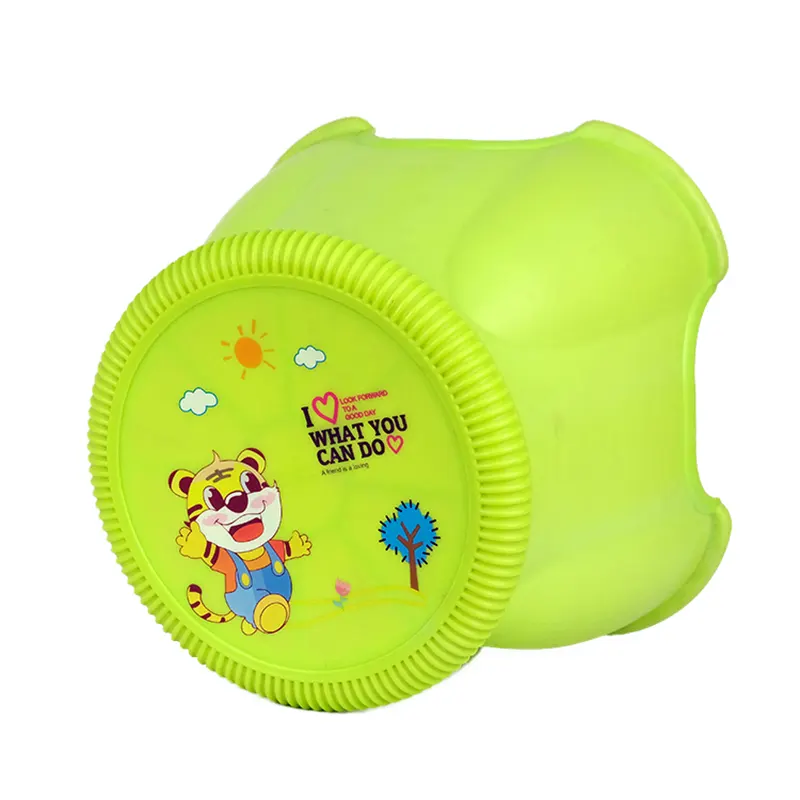
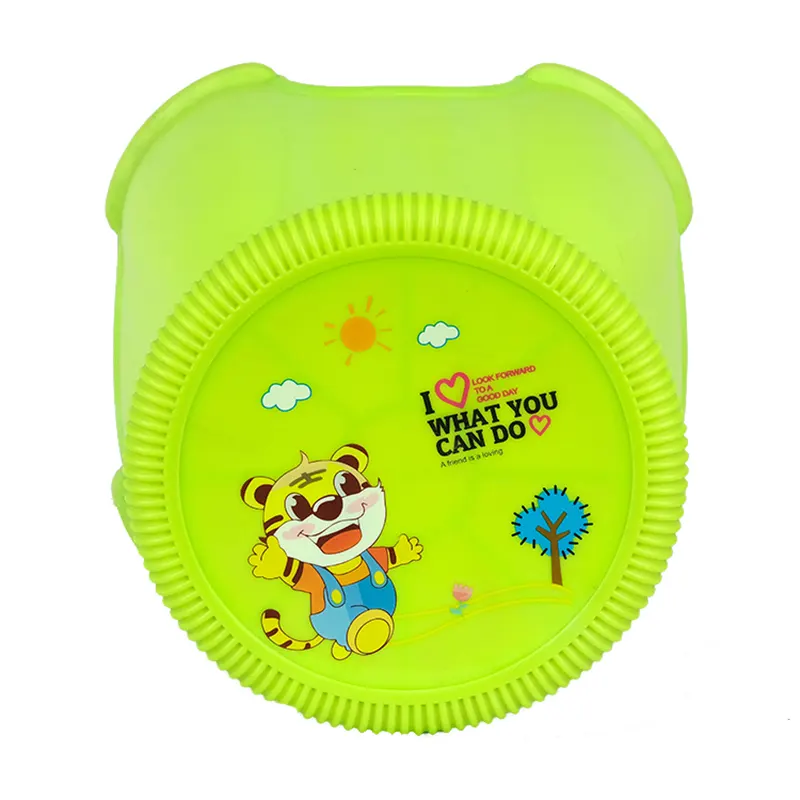
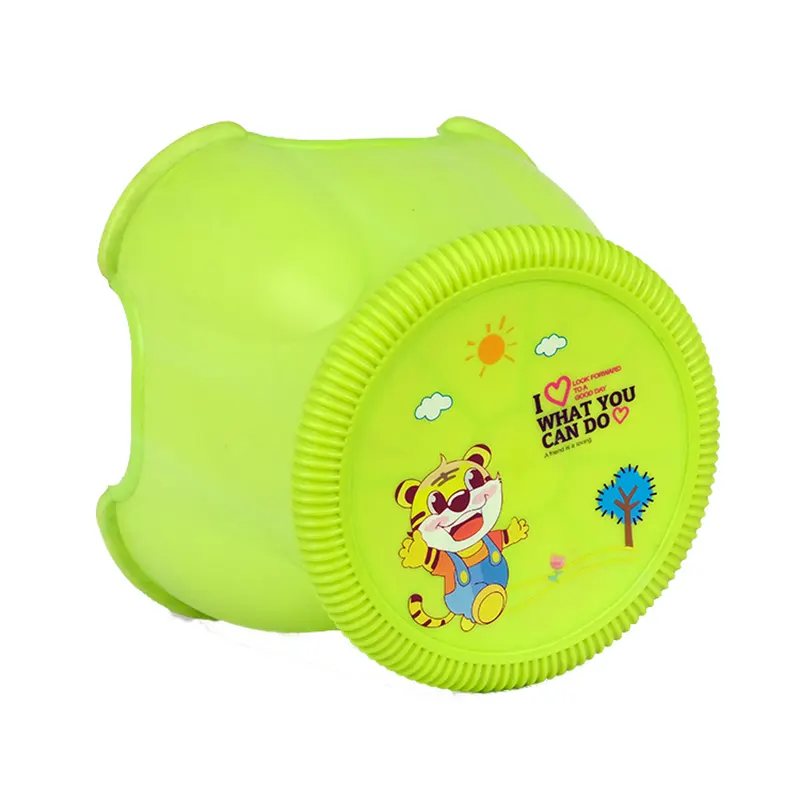
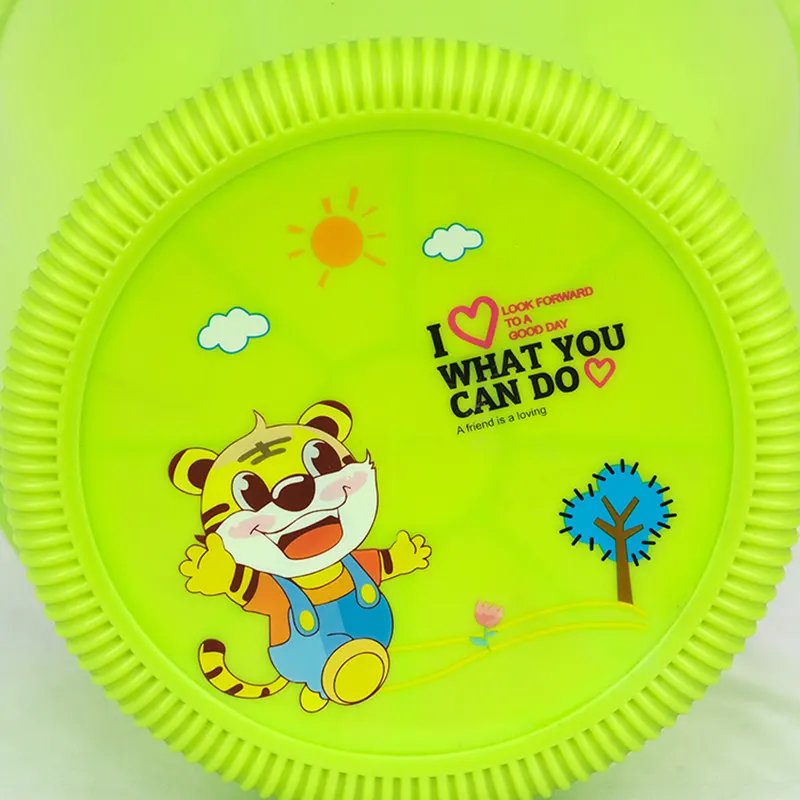
Injection Molding PP Tables and Chairs with IML Label
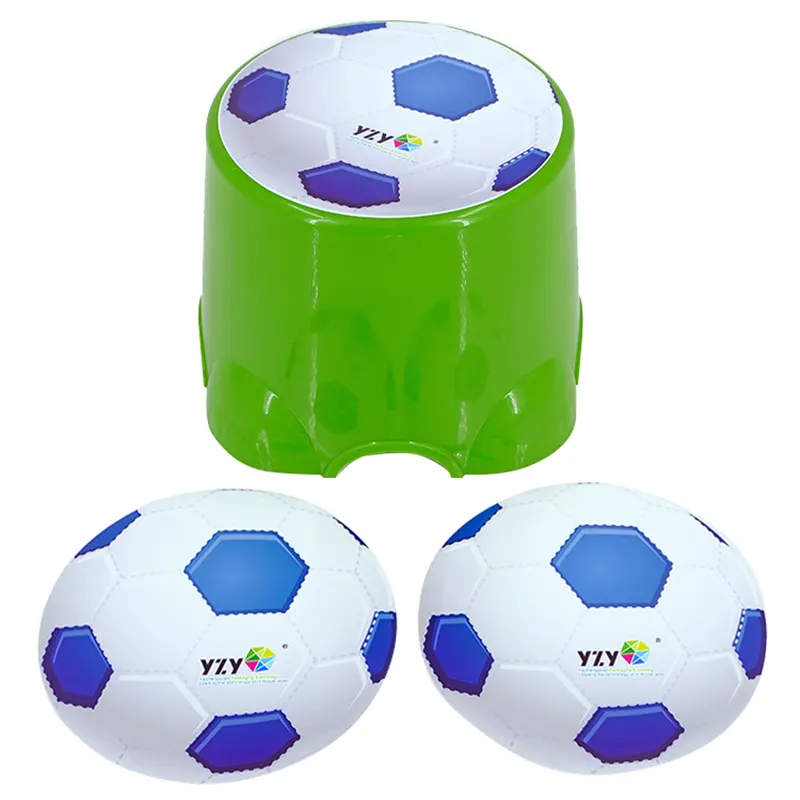
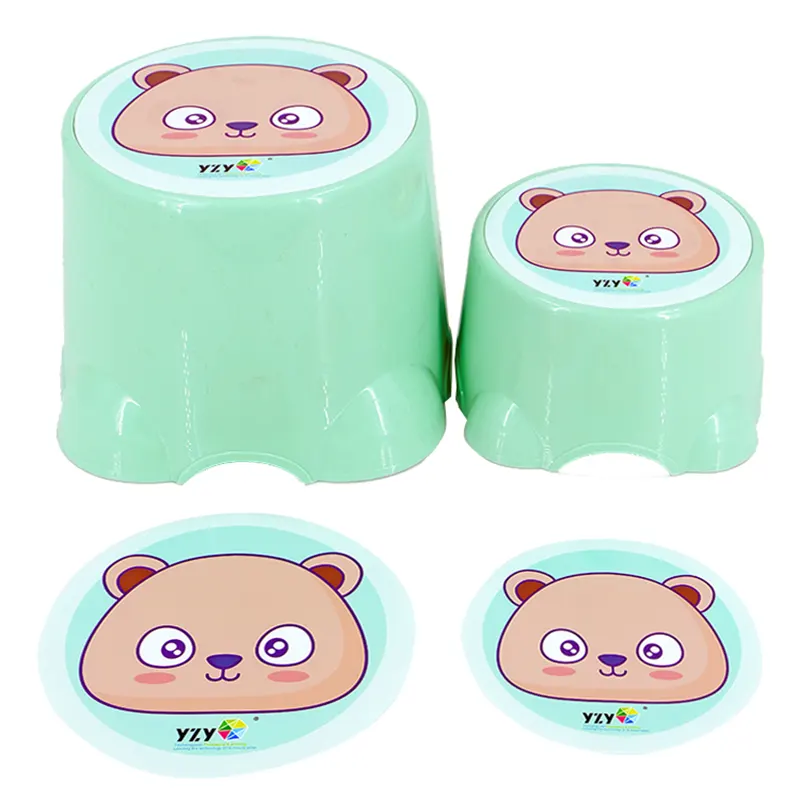
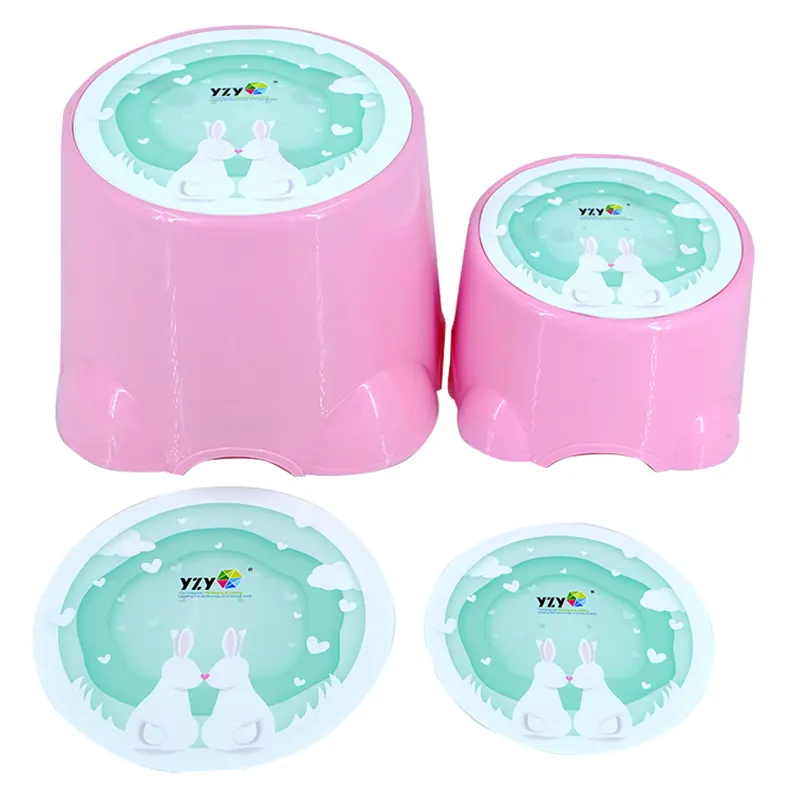
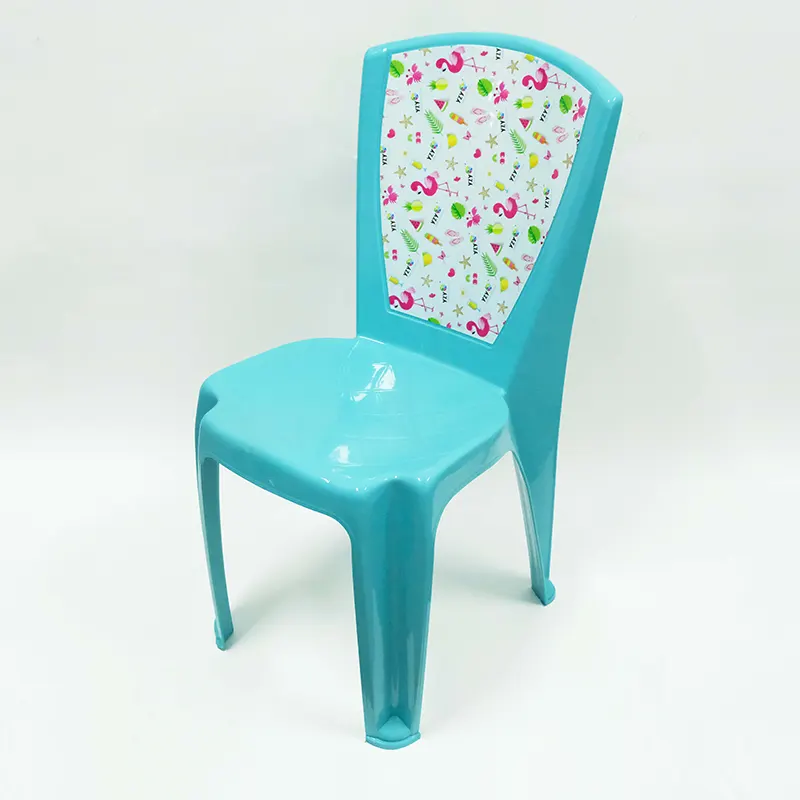
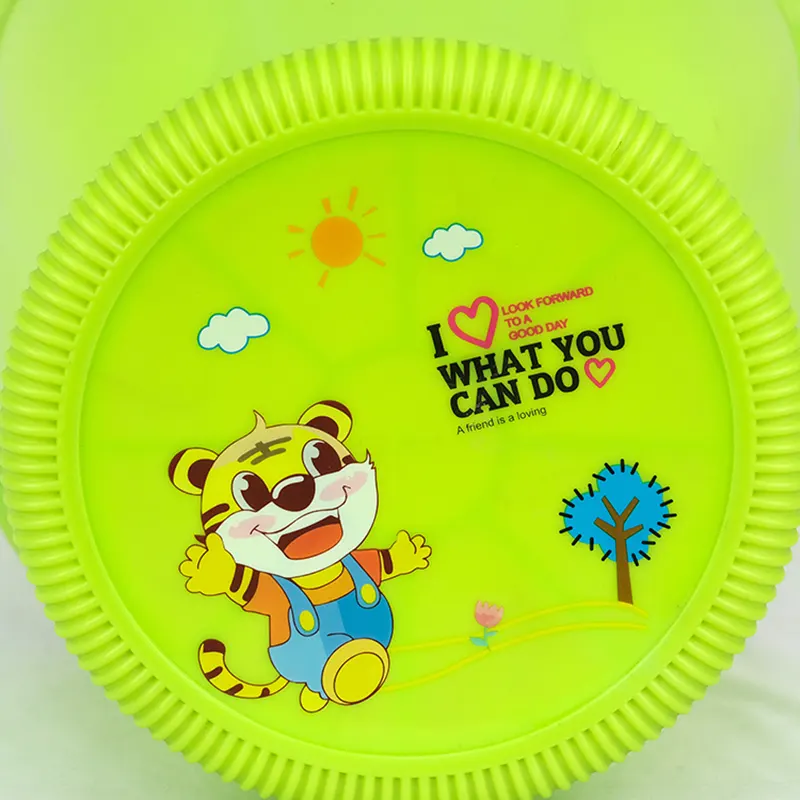
This Injection Molding PP Tables and Chairs with IML Label was developed by Zhongyu Manufacturer for the circular seat surface and the irregularly curved backrest of the children's furniture. It belongs to the injection-molded embedded decorative film. Different from the later screen printing and sticker processes, the label film directly melts and combines with the base material of the table and chair during the PP injection molding process. The cartoon patterns are sealed inside the plastic surface layer.
Send Inquiry
Product Description
Zhongyu Factory has customized Injection Molding PP Tables and Chairs with IML Label for the frequent bumping, children's scratching, chewing and rubbing, as well as the alternating use of indoor and outdoor scenarios of children's furniture. This solves the industry pain point of the easy scuffing and falling off of the decorative layer of children's household products, and provides a customized IML decoration complete solution for children's injection-molded furniture manufacturers.
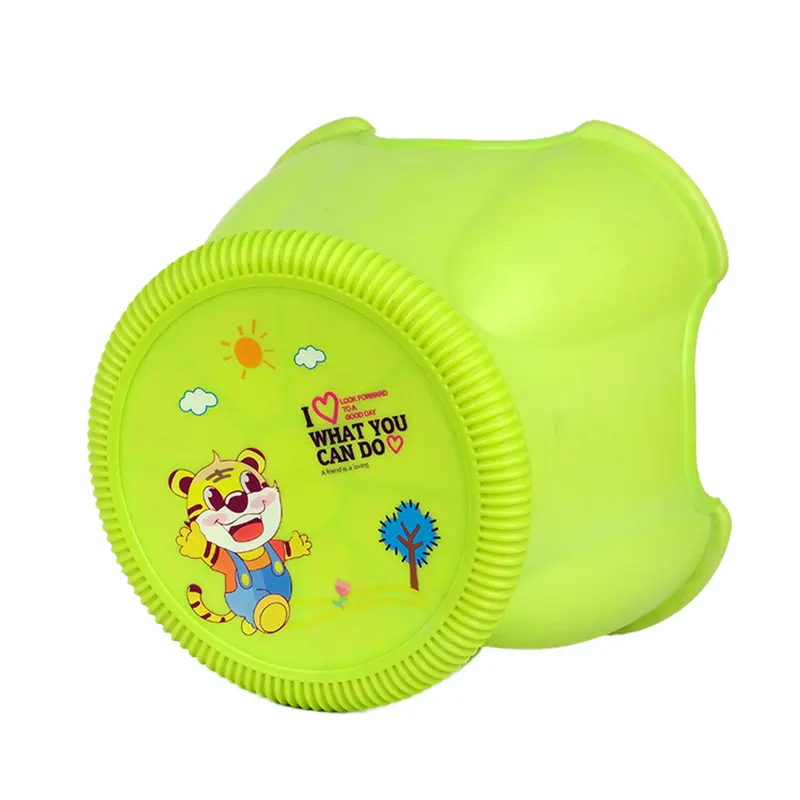
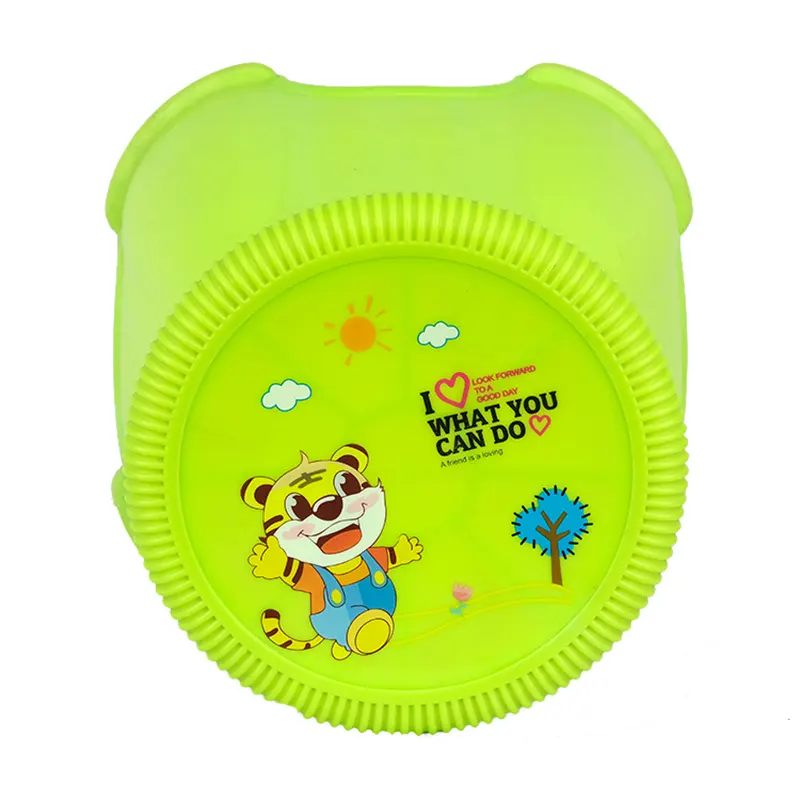
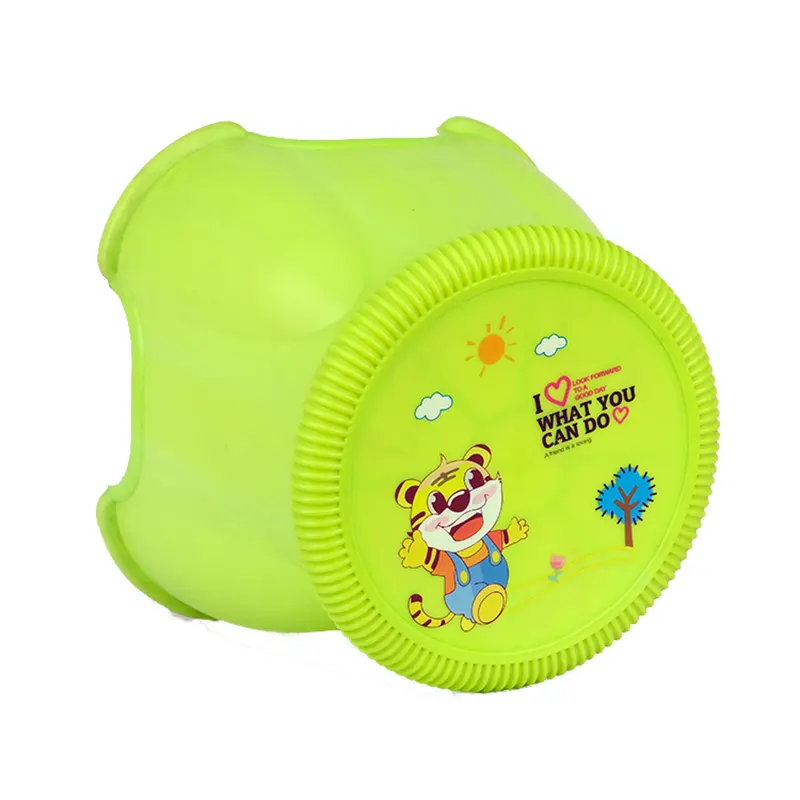
Custom IML Waterproof In Mold Label for Household Product Specifications
|
IML Material |
BOPP, PET, PLA, HDPE |
|
IML Size |
Customized According to Die Cutting Size |
|
IML Thickness |
65-85 Micron |
|
Temperature |
-30°C-120°C |
|
Core Advantages |
Whole Shaped Technology, Scratch Resisiant, Waterproof |
|
Application Scenarios |
Food Container, Daily Chemical, Industrial Packaging ,Home Appliance, Hosehold Product |
|
Rich Printing Effects |
Orange Peel, Matte, High Glossy, Transparent, Laser Hologram, Metallic Aluminum, Rainbow, Color change, 3D, Embossing |
|
Printing Colors |
Maximum 11 colors |
Product application
Children's household PP chairs and tables
Kindergarten early education matching furniture
Outdoor play plastic seating
Supermarket affordable children's home sets
Notes for Attention
1. The seat surfaces of the tables and chairs have curved shapes and rounded transitions. In the early stage, a complete 3D model needs to be provided to assess the stretching deformation of the curved surfaces. Directly applying a flat draft will result in stretching deformation of the pattern.
2. Injection Molding PP Tables and Chairs with IML Label is designed for scenarios where children come into contact. The ink and film material selection must be confirmed in advance. For new projects, it is necessary to conduct machine injection molding verification. Do not simply copy the general IML material parameters.
3. The positioning accuracy of the injection molding label fixture needs to match the shape of the label. The circular contour of the seat surface is prone to label offset. It is necessary to simultaneously check the injection molding fixture.
4. The finished products should avoid long-term continuous exposure to strong light. Although the IML pattern is embedded, long-term exposure to strong ultraviolet rays will cause aging of the PP substrate, which will indirectly affect the visual effect of the picture.
5. Sharp hard objects scraping forcefully will still damage the plastic body. Daily cleaning is only supported by using a damp cloth. Do not use strong corrosive industrial cleaning agents.
6. If the tables and chairs have rounded thickening and local wall thickness variations, it will change the injection molding filling speed. It is necessary to assess it in advance to avoid the risk of local wrinkling.
Molded wear resistance test for children's scenarios
We simulated the repeated wiping and friction conditions in daily life to detect whether the printed layer is exposed or fades. To restore the actual wear situation of children's use.
IML Label Injection Molding Production Process:
1. Gravure printing on PET/PP film and Lamination
2. Cutting into standard label sheets
3. Automatic robot places labels into injection mold cavity
4. Plastic melt injection, film and plastic melt into one piece
5. Demold finished IML plastic products directly
FAQ
1. Will the cartoon pattern on the circular seat surface deform after injection molding?
Answer: After obtaining the 3D drawings, we will conduct a surface stretching assessment and make adjustments to the draft in advance to reduce pattern distortion.
2. Does your IML label ink meet the requirements for contact with children's products?
Answer: It can be matched with the corresponding safety standards for children's home furnishings and relevant detection materials can be provided.
3. Can you complete the processing of the draft that can be injection molded only with pictures?
Answer: Yes, combined with the curved surface structure of the table and chair, we will make process adjustments and output files suitable for production.
4. What materials are needed for proofing? How long is the cycle?
Answer: 3D models and design drawings of the table and chair are required. The cycle can be synchronized with the schedule provided by the business based on the complexity of the project.
5. Can we handle small batch trial orders for new products?
Answer: Trial production is supported. After verifying the molding effect, we will proceed with the large batch order.
6. Are the printing, die-cutting, etc. processes completed in our own factory?
Answer: All core processes are completed in our own cleanroom. The production records are complete and traceable, and outsourcing is not involved.
7. The wall thickness of the table and chair is relatively thin. Will it affect the IML molding effect?
Answer: Based on the wall thickness data, evaluate the selection of membrane materials and provide reference suggestions for injection molding processes.
Hot Tags: PP Tables and Chairs with IML Label, Injection Molding PP Furniture, IML Plastic Tables and Chairs Wholesale
Related Category
Waste Bin IML Label
Storage Box IML Label
Cabinet IML Label
Tables and Chairs IML Label
Tableware IML Label
Water Basin IML Label
Send Inquiry
Please Feel free to give your inquiry in the form below. We will reply you in 24 hours.