

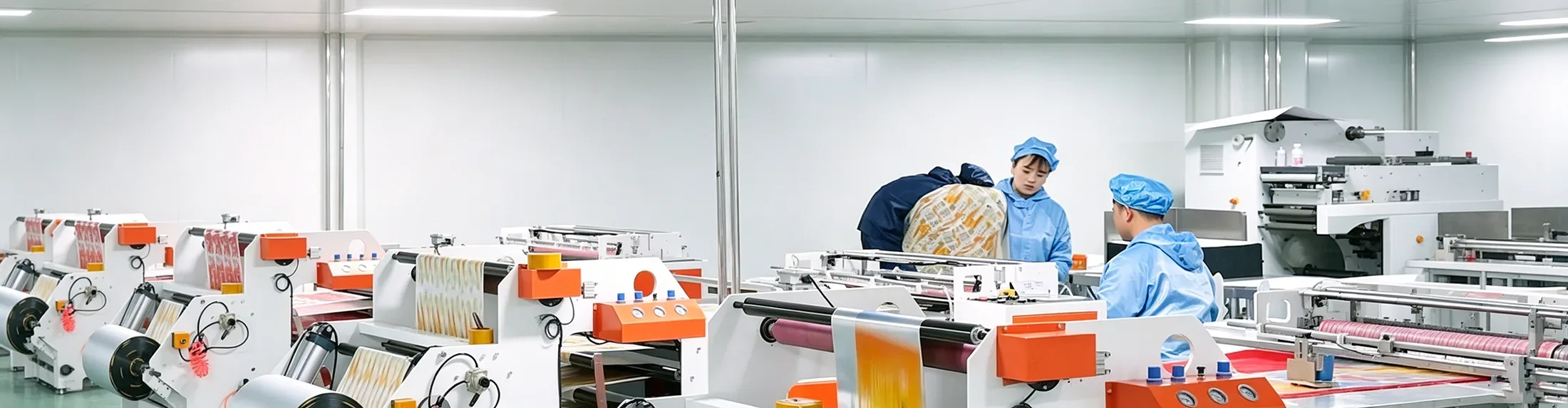
Why Are More Brands Switching to Injection Molding In Mold Label for Premium Product Look?
Injection Molding In Mold Label supplied by Zhejiang Zhongyu Science and Technology Co.,Ltd. strengthens plastic packaging for frozen food, delivering reliable protection against impact breakage and low-temperature degradation.
A yogurt pot staying intact after dropping from shopping trolleys, or an ice cream lid keeping clear print after long-term freezer storage, is not random luck. Zhejiang Zhongyu Science and Technology Co.,Ltd. observes that more packaging brands adopt injection molding IML technology to tackle hidden packaging defects that end users seldom mention yet can easily form negative impressions.
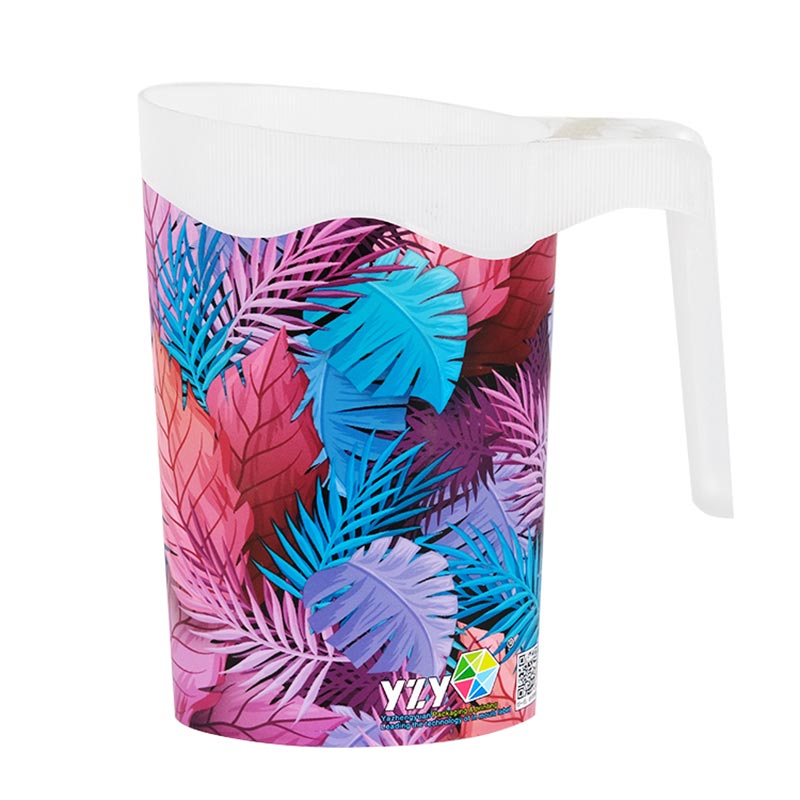
The Hidden Frustration with Traditional Labels
Recall a time when product labels failed prematurely. A bottle label bubbled constantly under humid bathroom conditions. A takeaway container left sticky adhesive residue on hands once the sticker was peeled off. Minor defects like these slowly hurt brand reputation. Every imperfect label weakens the stable impression buyers hold of your goods.
Conventional labeling solutions including paper glue labels, self-adhesive stickers and shrink sleeves share inherent drawbacks:
- Water penetrates along label edges
- Surface abrasion wipes out printed patterns
- Low temperature makes adhesive lose toughness
- UV exposure causes uneven color fading
Retail partners also notice these defects. Return requests triggered by worn packaging are not frequent, yet the invisible influence cannot be ignored. Consumers tend to link scruffy packaging appearance to poor product quality or expired stock.
What Makes it Different
The core principle is straightforward. Instead of attaching printed stickers onto finished plastic parts, IML integrates graphics into containers during injection. Pre-printed label sheets are positioned inside the cavity first. Hot molten plastic flows into the mold and fuses tightly with the label material. After cooling and shaping, the label and container form one unified component.
| Feature | Traditional Label | Injection Molding In Mold Label |
| Attachment method | Adhesive or glue | Thermally fused during molding |
| Edge peeling | Common after weeks | Impossible by design |
| Water resistance | Varies, often poor | Complete |
| Scratch resistance | Low to medium | High |
| Recycling ease | Label must be separated | Often recyclable as single material |
For brand operators, the practical advantages are obvious. No more customer feedback about sticky leftover glue. No batch losses caused by graphic scratches during logistics. No extra manual work to strip labels before recycling processing.
Three Pain Points This Technology Solves
1. The "Frozen Food Fog" Problem
Frozen product sellers often face condensation trouble. Moisture buildup softens paper labels and blurs barcode information for scanning. With Injection Molding In Mold Label, there are no open gaps for water to seep in. The printed surface sits flush with the container wall. Condensation can be wiped away without harming printed content.
2. The "Shelf-Worn" Look
Goods undergo frequent handling in warehouses and retail shelves. Traditional labels show obvious wear after repeated touching, including faded printing and curled corners. IML avoids raised edges that catch friction. Butter tubs with IML maintain neat visual performance throughout long shelf cycles.
3. The Recycling Confusion
Many brands pursue eco-friendly packaging but hit bottlenecks. Recyclable plastic containers paired with incompatible adhesive labels become mixed waste. IML supports matching PP material for both label and container. Separation is not required. This advantage helps brands comply with updated packaging rules across European and North American markets.
Why Brands Are Switching Now (Not Five Years Ago)
Two major factors push wider IML adoption. Modern buyers pay closer attention to packaging details. They share photos of defective labels on social platforms and express dissatisfaction with low-quality sticker finishes. Meanwhile, mold manufacturing upgrades cut overall IML production cost. The price gap between IML and premium shrink sleeve solutions has narrowed greatly.
One premium ice cream brand switched to injection molding IML and recorded fewer retailer returns due to damaged packaging. Besides, intricate metallic decorative effects can be embedded stably. Foil patterns that easily fall off adhesive stickers stay locked into the container surface permanently.
The Visual Advantage That Sells Itself
IML stands out greatly on graphic presentation. Patterns can wrap smoothly over curved corners without distortion. Ordinary stickers struggle to fit complex curved surfaces and create wrinkles or blank zones. Designs are transferred fully inside molds, delivering continuous artwork. Cartoon patterns wrapping seamlessly around kids’ food boxes deliver high-end visual appeal. Gradient printing flowing over container shoulders builds premium perception before buyers read product descriptions.
Color reproduction is more stable as well. Printing is finished on flat film before molding. CMYK plus spot color systems can be applied freely. The molding procedure will not stretch or blur printed layers. Final shelf display matches your original design proof.
Real-World Applications Already Happening
| Industry | Common Product | Why IML Works Here |
| Dairy | Yogurt cups, butter tubs | Withstands fridge condensation and repeated handling |
| Personal care | Shampoo bottles, soap dispensers | Resists bathroom humidity and oily fingers |
| Household | Detergent scoops, storage bins | Survives garage temperatures and rough stacking |
| Medical | Pill containers, specimen cups | Easy sanitization, no hidden gaps for dirt accumulation |
Medical packaging deserves special attention. Sanitation standards in medical scenarios are strict. Labels without edge gaps reduce dirt and bacteria residue and simplify cleaning work. Many diagnostic kit manufacturers select IML mainly for this hygiene merit.
What About Cost?
Small and medium brands often worry IML only supports large batch orders. This restriction existed years ago. Currently Zhejiang Zhongyu Science and Technology Co.,Ltd. accepts orders starting from tens of thousands of units, which fits most regional brand plans. Tooling investment brings long-term savings: no separate labeling equipment, no adhesive stock, and less QC workload for sticker attachment.
Hidden expenses of traditional labeling also need to be calculated:
- Extra labor to reposition misaligned stickers
- Waste caused by label detachment during filling processes
- Manpower spent peeling off sticker backing paper
- Compensation and replacement for returned defective packaging
IML removes all these overhead items from your cost sheet.
A Note on Production Speed
IML injection cycle time keeps pace with standard injection molding workflow. Robotic arms place label sheets into the mold during brief mold opening intervals. The rest of the molding process stays unchanged. For mass production lines with high daily output, the time difference can be ignored. The main adjustment lies in mold structure, adding vacuum channels to hold labels firmly before mold closing. After parameter tuning, the whole line runs automatically.
Common Misconceptions
"Labels will wrinkle during molding."
Proper vacuum channel layout and matched label stiffness solve this risk. Modern IML film materials are engineered to resist thermal deformation under molding heat and pressure.
"Only flat surfaces work."
Complex contoured parts gain more benefits. Label material fits every detail of the mold cavity, reaching concave areas that adhesive stickers cannot cover tightly.
"Design changes require new molds."
Mold replacement is only needed when container shape gets modified. Graphic updates just need new printed label rolls. It supports seasonal packaging runs and limited-edition promotions flexibly.
Looking Forward
Retail supply chains demand packaging that stays presentation-ready once delivered. No peeling, no fading, no consumer complaints about sticky residues. Injection Molding In Mold Label satisfies this requirement without adding complexity to downstream packing lines. For brands troubled by label failure in cold chain transport, damp storage or high-touch usage scenarios, IML delivers stable solutions that conventional sticker and paper labels cannot achieve.
Next time you spot reusable food containers with integrated printed graphics or garden chemical bottles retaining clear instructions after long outdoor storage, they are very likely produced with IML technology. Zhejiang Zhongyu Science and Technology Co.,Ltd. keeps supplying integrated film packaging solutions, covering injection molding IML, aluminum foil sealing film and shrink labels for brands seeking packaging durability matching product service life.