
Home > Products > Food Packaging IML > Snack Container IML Label > PP Snack Container IML Label Injection Molding
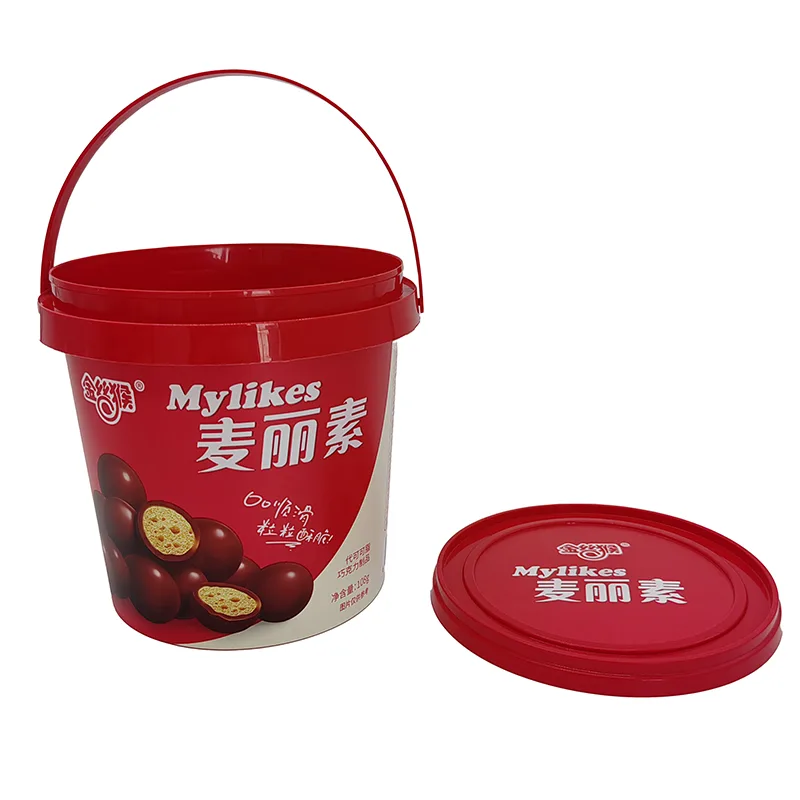
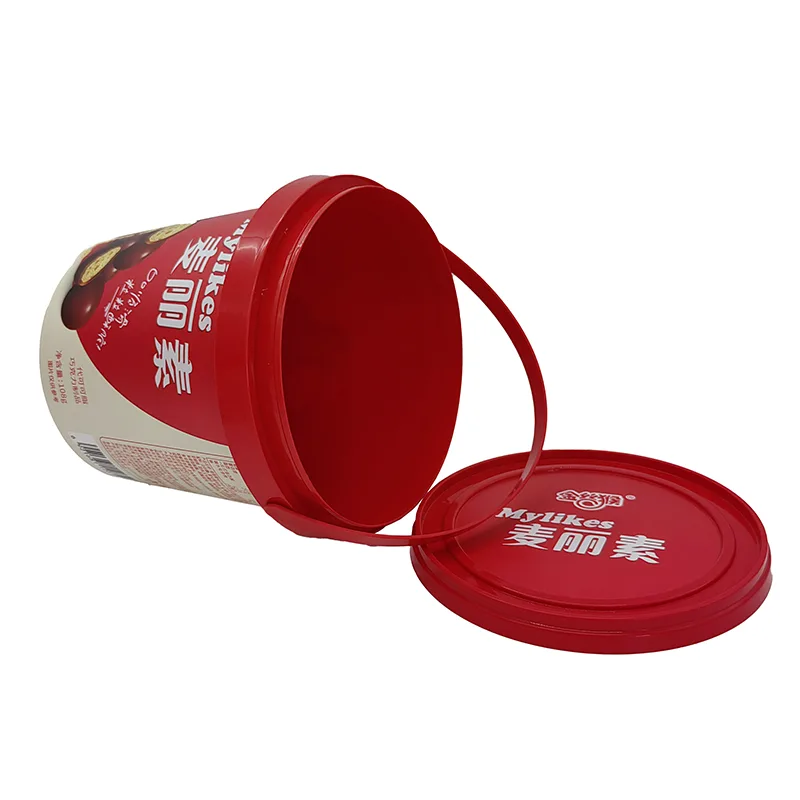
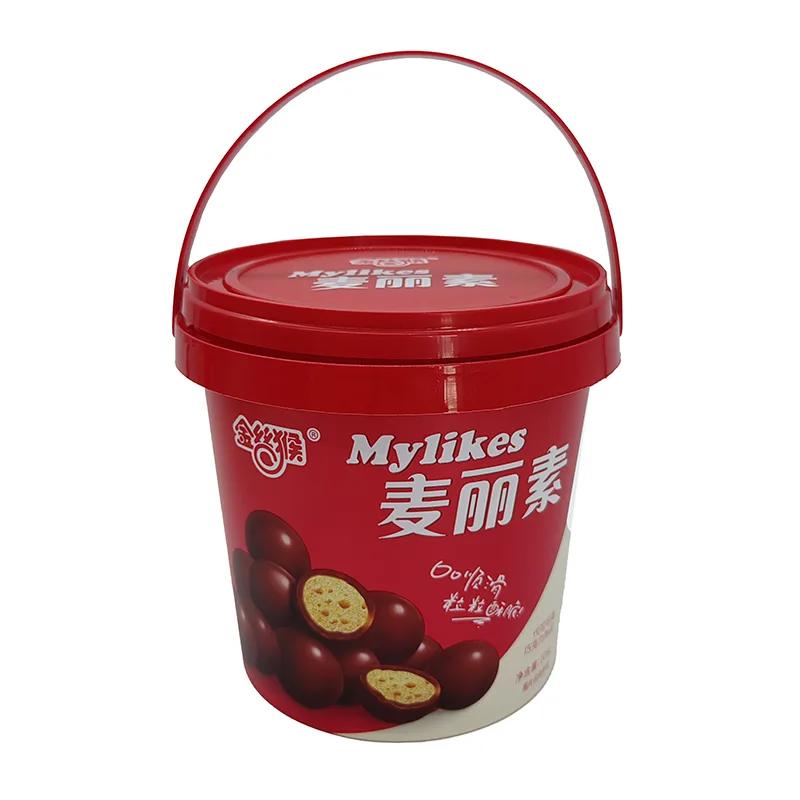
PP Snack Container IML Label Injection Molding
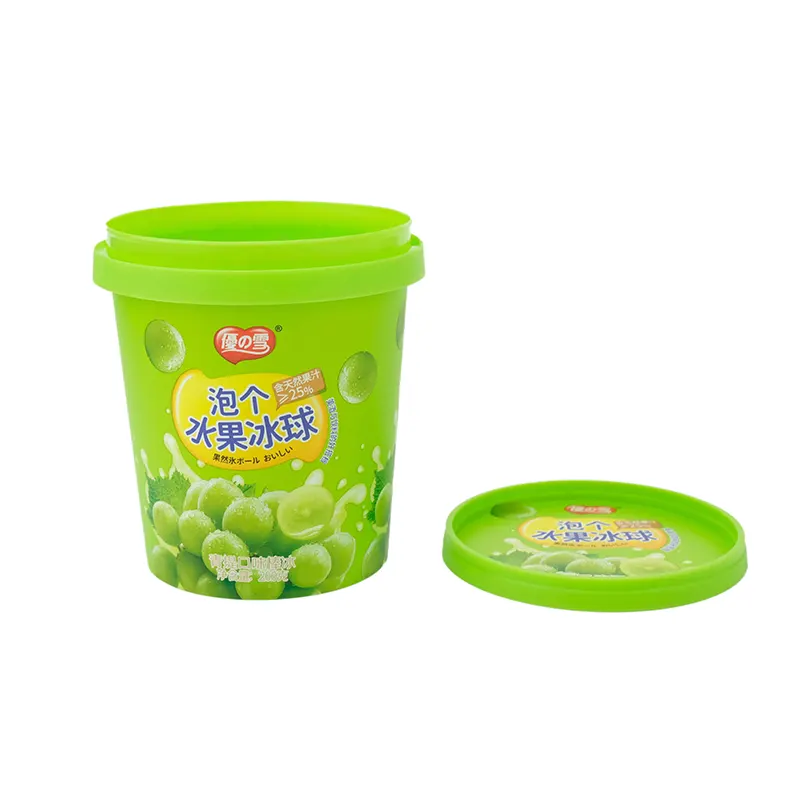
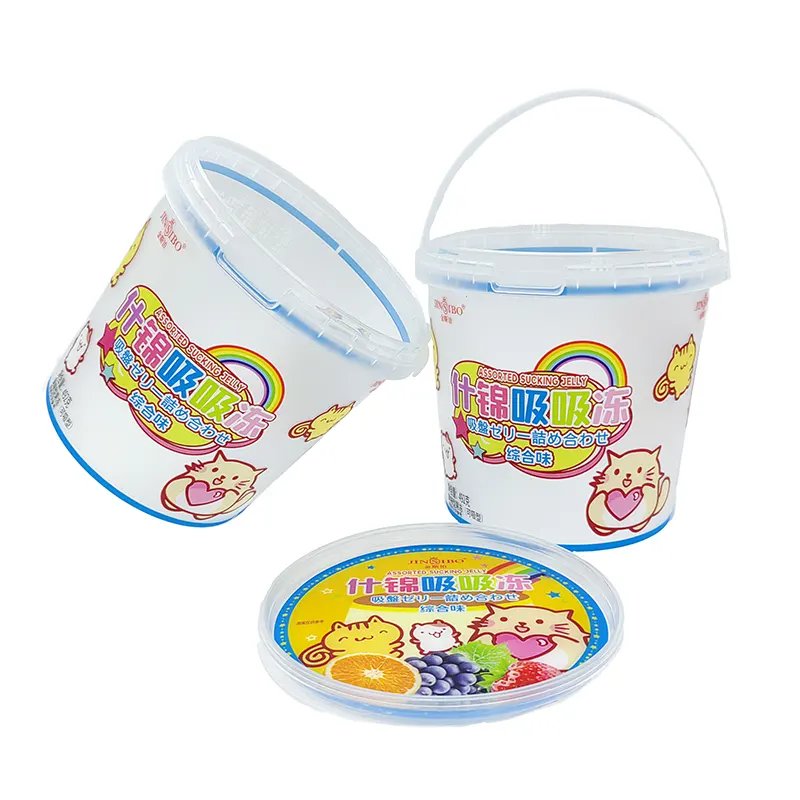
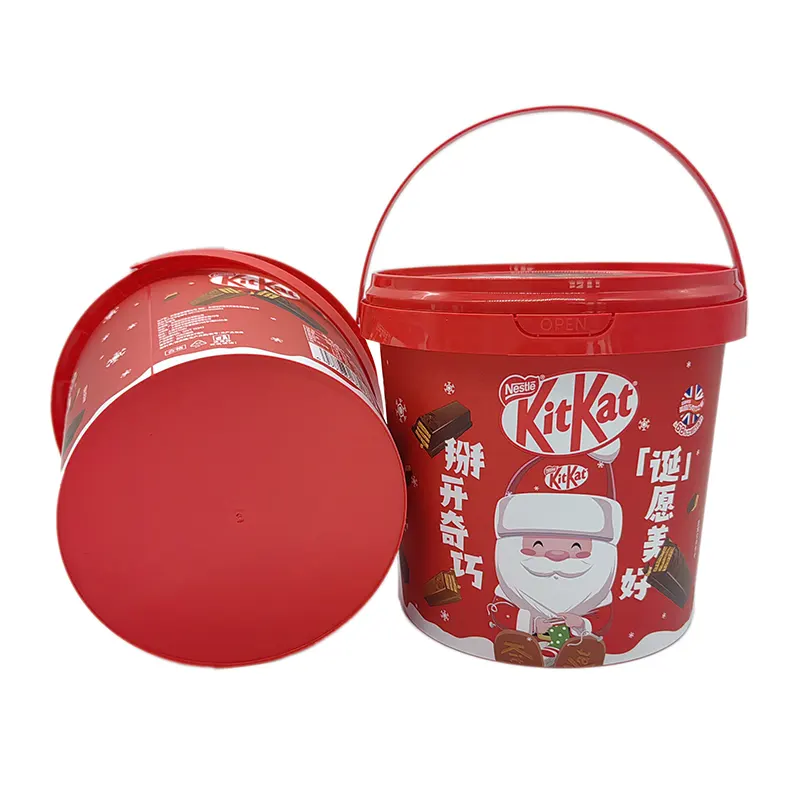
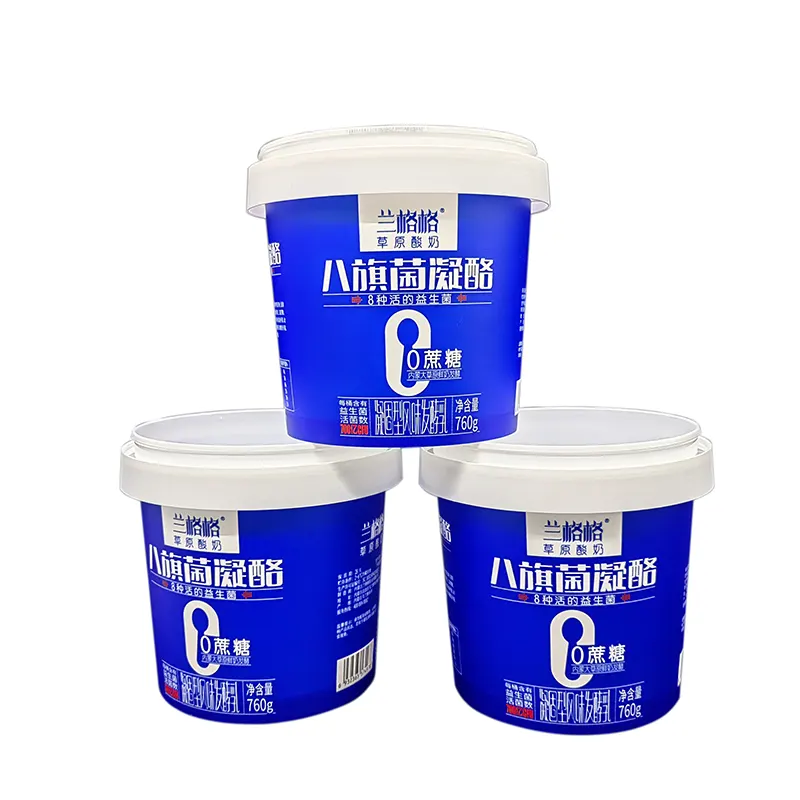
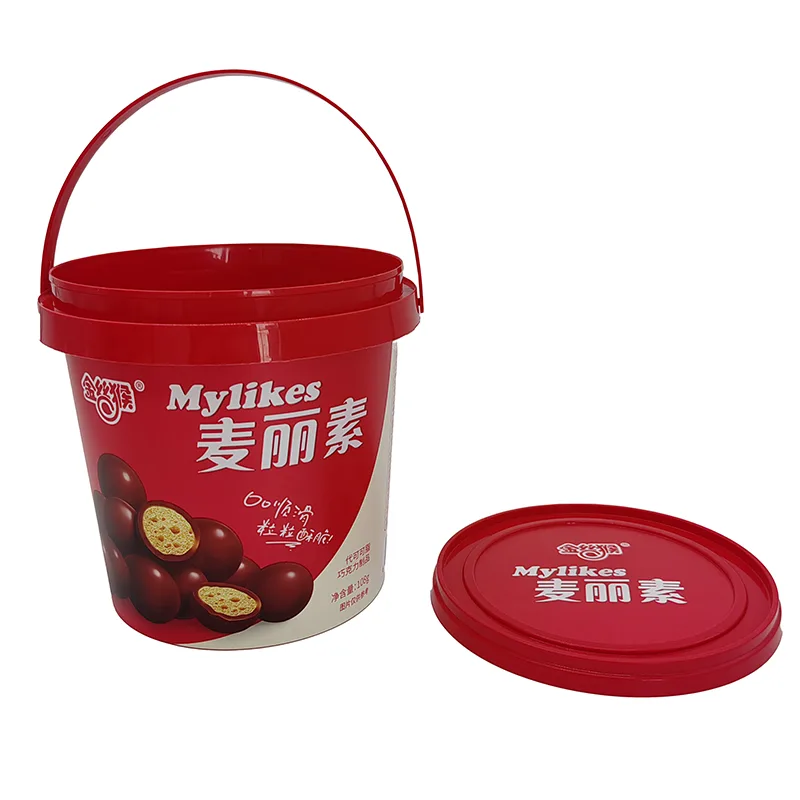
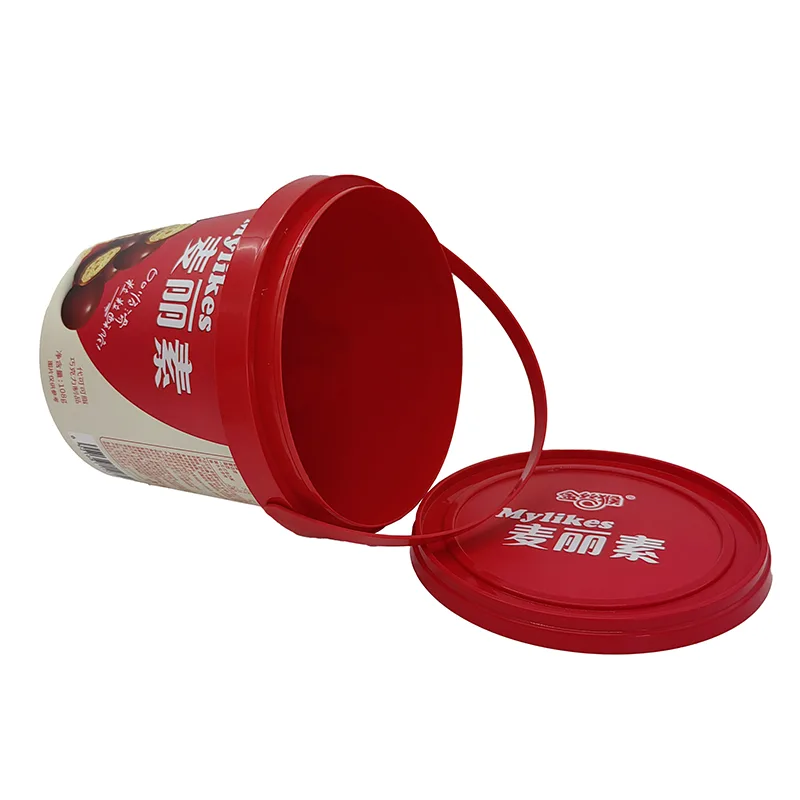
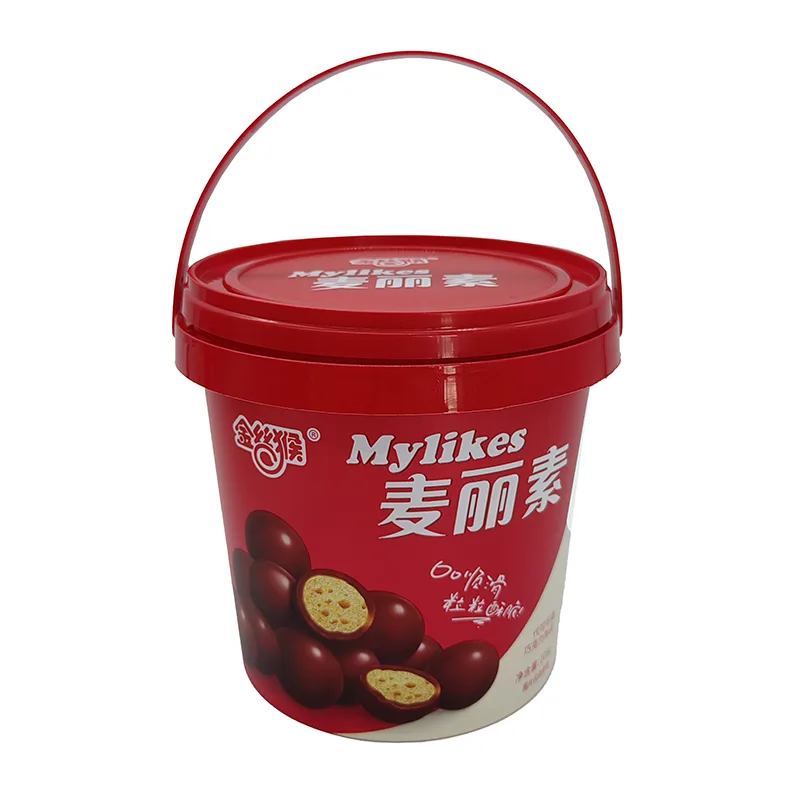
The PP Snack Container IML Label Injection Molding produced by Zhongyu manufacturer is suitable for PP wide-mouth snack plastic buckets with hand-held structure. It is mainly used for packaging of snacks, chocolates, and other casual foods. Special processing was developed for the large-cone-shaped surface of the bucket body and the reinforcing ribs structure at the bucket opening. During the injection molding process, the label melts and combines with the bucket body, and the patterns, trademarks, and product descriptions are directly solidified inside the bucket wall.
Send Inquiry
Product Description
Unlike self-adhesive labels, the PP Snack Container IML Label Injection Molding supplied by Zhongyu factory has a smooth surface on the bucket body without any adhesive gaps. Even if the bucket body has reinforcing ribs and angular structures, a complete and continuous printing image can still be achieved. It supports synchronous embedding of labels on the bucket body and lid, achieving visual consistency of the lid and bucket body, and is suitable for commercial packaging requirements of large-capacity bucket packaging of casual foods, taking into account the display effect on supermarket shelves and food packaging safety standards.
Custom IML Waterproof In Mold Label for Food Packaging Product Specifications
|
IML Material |
BOPP, PET, PLA, HDPE |
|
IML Size |
Customized According to Die Cutting Size |
|
IML Thickness |
65-85 Micron |
|
Temperature |
-30°C-120°C |
|
Core Advantages |
Whole Shaped Technology, Scratch Resisiant, Waterproof |
|
Application Scenarios |
Food Container, Daily Chemical, Industrial Packaging ,Home Appliance, Hosehold Product |
|
Rich Printing Effects |
Orange Peel, Matte, High Glossy, Transparent, Laser Hologram, Metallic Aluminum, Rainbow, Color change, 3D, Embossing |
|
Printing Colors |
Maximum 11 colors |
IML Label Injection Molding Production Process:
1. Gravure printing on PET/PP film and Lamination
2. Cutting into standard label sheets
3. Automatic robot places labels into injection mold cavity
4. Plastic melt injection, film and plastic melt into one piece
5. Demold finished IML plastic products directly
Product functions
- Enhance display effect on the shelves
- Avoid hygiene hazards caused by label application
- Resist wear and tear during circulation
- Adapt to integrated brand output of the bucket lid
- Simplify post-production processes
Performance testing
Based on the actual circulation chain of snack products, multi-dimensional simulation verification was carried out, and all tests were completed in the internal laboratory:
1. Cone-shaped surface forming simulation test
Recreate the large-cone and reinforced-rib structure of the snack bucket, verify whether the trademark, small text, and product pattern remain intact after stretching, and check for local stretching distortion.
2. Abrasion and durability test
Simulate the stacking and transportation friction conditions in storage, repeatedly wipe the surface of the bucket to confirm that the printed information will not be worn or lost.
3. Oil resistance test
For chocolate and oily snack scenarios, conduct an oil contact immersion test to verify that the ink will not migrate or dissolve, ensuring food contact safety.
4. High and low temperature cycle storage test
Simulate the temperature changes in the warehouse throughout the year, verify the combination state of the label and the bucket, and prevent the occurrence of bubble formation and layering of the label.
FAQ
Q1: Will the IML pattern be distorted for the snack bucket with reinforced ribs and large taper?
A: Special deformation treatment has been done for the cone-shaped bucket structure. Preliminary simulation of injection molding was conducted to avoid the problem of pattern distortion.
Q2: Will there be a risk of ink migration for the oil-based snack products in the bucket?
A: Food-grade consumables resistant to oil are selected. Before production, an oil tolerance test is conducted to ensure food contact safety.
Q3: Can the body and lid of the snack bucket be embossed with IML simultaneously?
A: Yes, the body and lid have different curved surface structures, so separate printing and die-cutting processes are required.
Q4: Is the entire production process of the PP Snack Container IML Label Injection Molding completed entirely within your company?
A: The entire printing-to-die-cutting process is completed in our factory. There is no outsourcing processing. Complete batch data is retained.
Q5: Will the IML snack bucket product be damaged by falling during logistics?
A: After drop simulation testing, the label is firmly attached to the bucket body under normal logistics impact and is not prone to peeling.
Q6: For the new project sample, what materials need to be provided for process evaluation?
A: Provide 3D drawings of the snack bucket and lid, and a complete process evaluation can be carried out.
Q7: Can the IML process help snack factories eliminate the later labeling process?
A: The injection molding directly forms the graphics, and the finished product does not require secondary labeling. The back-end production process is simplified.
Hot Tags: PP Snack Container Manufacturer, IML Label Injection Molding, Plastic Snack Container Wholesale
Related Category
Send Inquiry
Please Feel free to give your inquiry in the form below. We will reply you in 24 hours.