
Home > Products > Household Products IML > Tableware IML Label > PP Tableware IML Label Injection Molding
PP Tableware IML Label Injection Molding
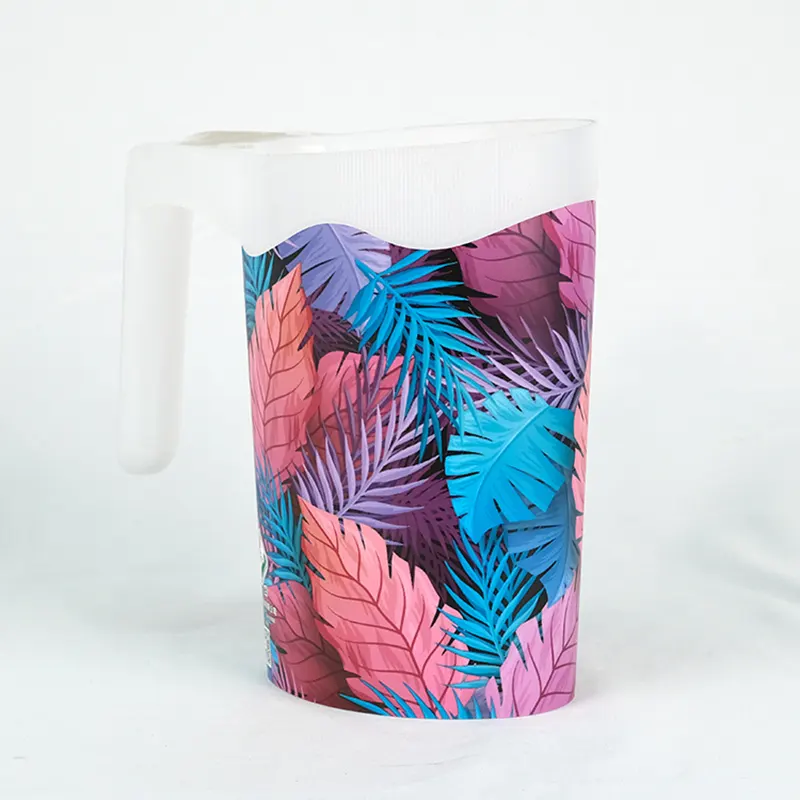
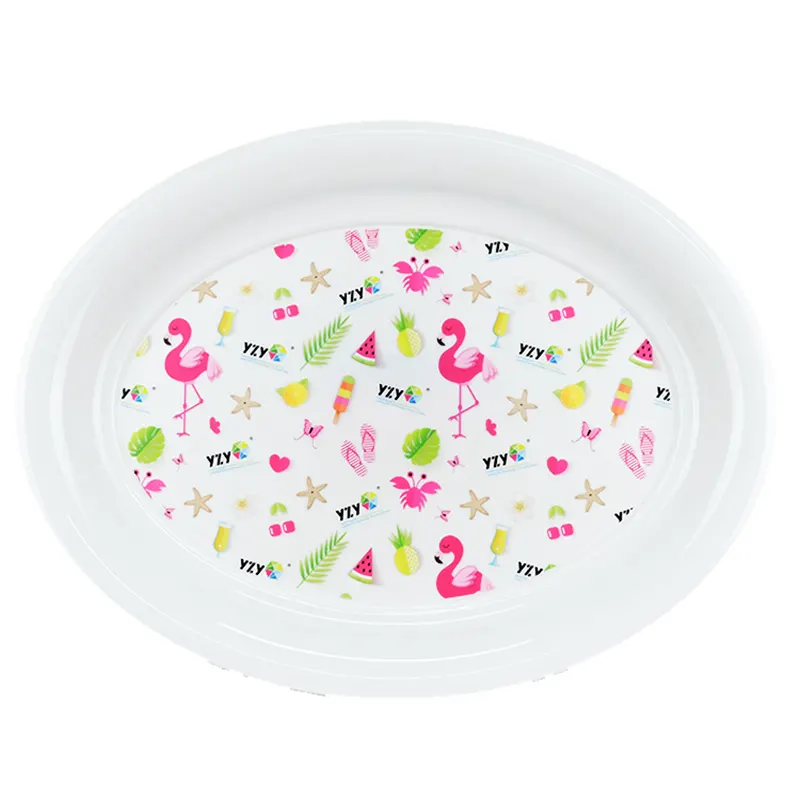
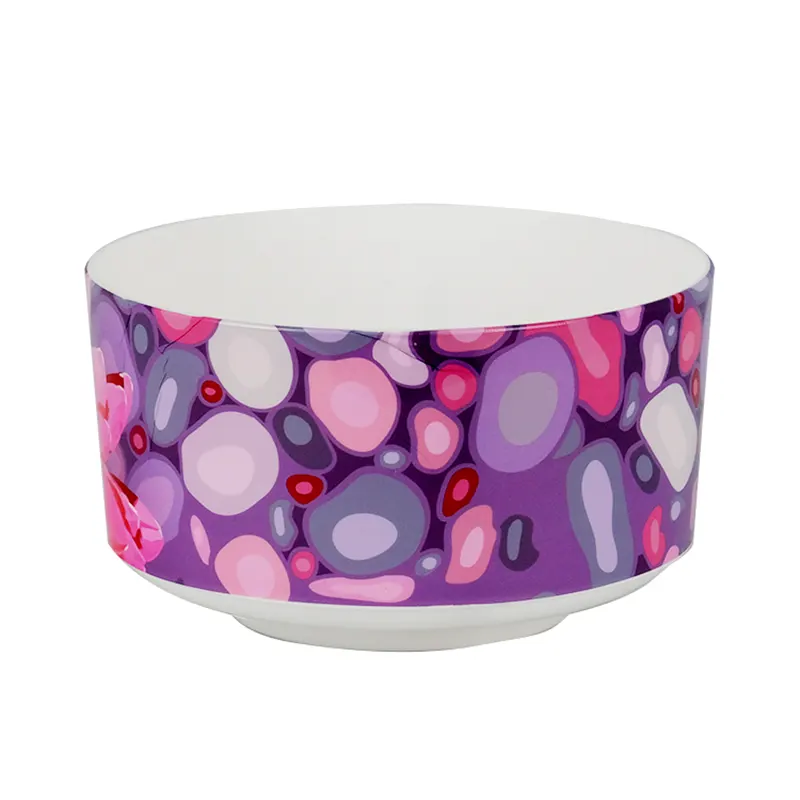
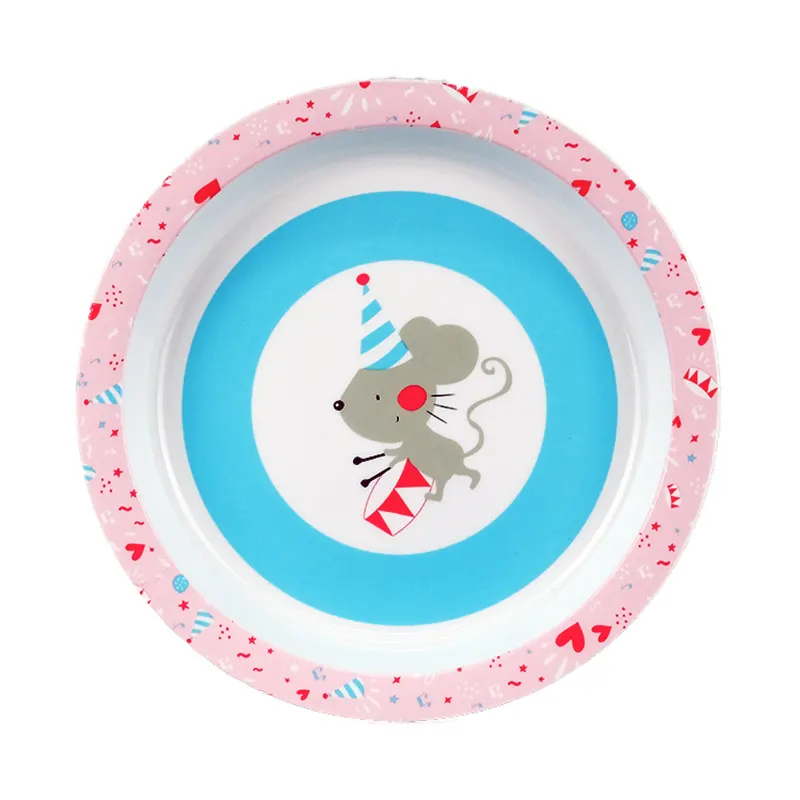
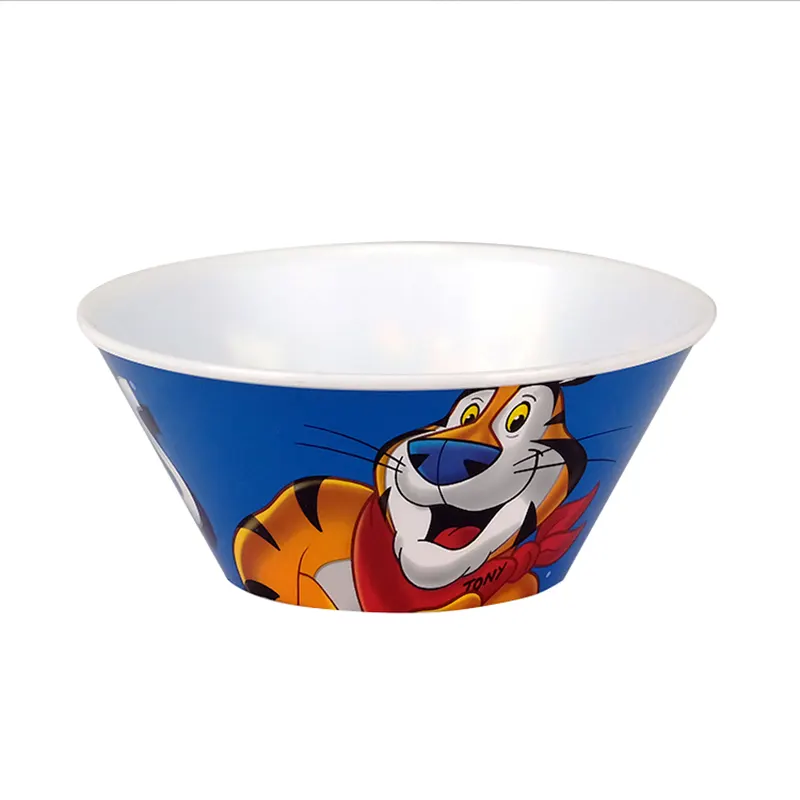
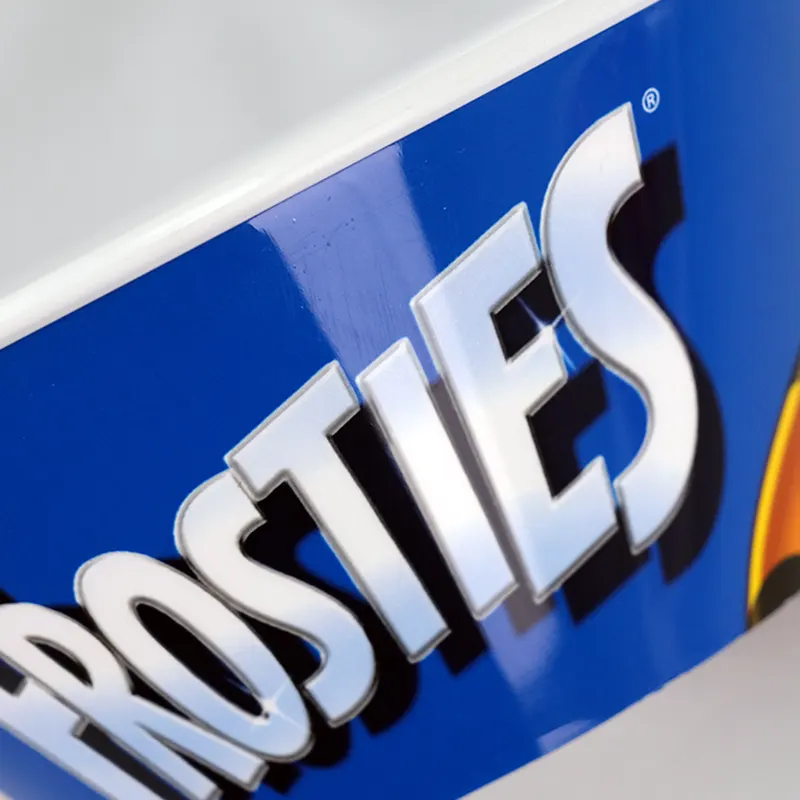
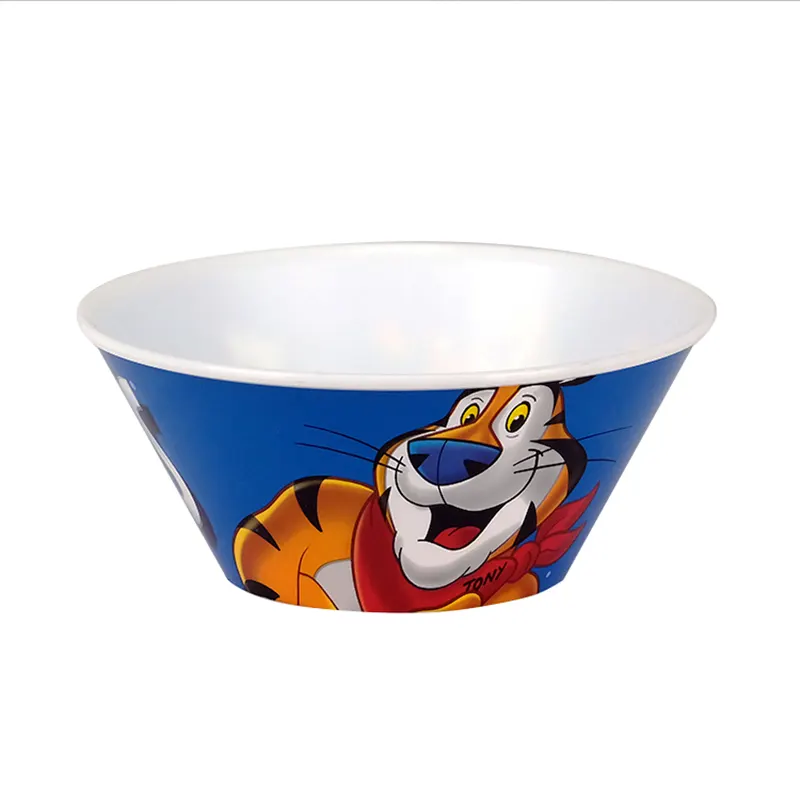
This PP Tableware IML Label Injection Molding product, directly sold by Zhongyu Factory, is specially developed for conical open PP injection bowls and dining plates with sloping walls. Different from ordinary flat IML film materials, it is adapted to the conical side walls of the tableware that gradually narrow from top to bottom. During the injection molding process, the film material melts and combines with the PP bowl body, solidifying the IP card pattern on the outer wall of the tableware.
Send Inquiry
Product Description
The PP Tableware IML Label Injection Molding produced by Zhongyu Manufacturer is aimed at food-grade plastic tableware manufacturers. It solves the industry problems of easy wear on the outer wall of conical dining bowls and the poor cleaning performance of stickers. The entire solution takes into account food contact safety, appearance expressiveness, and compliance requirements for overseas markets.
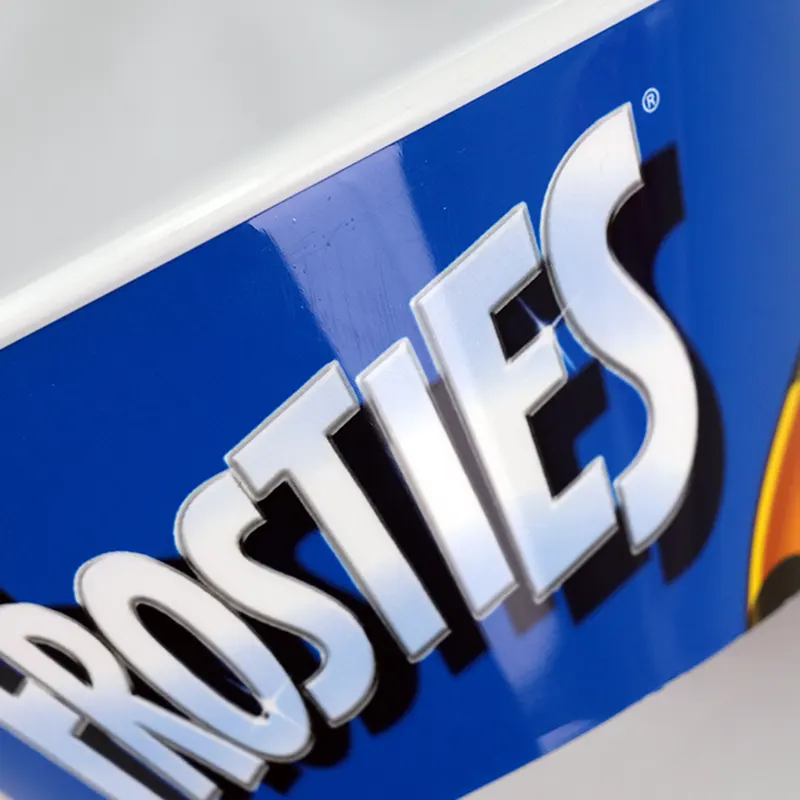
Product details
1.Conical surface fitting film material: Gradually stretches along the inclined wall of the dish bowl, and uniformly extends from the bowl rim to the bottom, preventing pattern distortion during stretching
2.Food contact grade printing system: The film material ink is specially selected for the food environment, eliminating ink migration and meeting the standards for children's tableware use
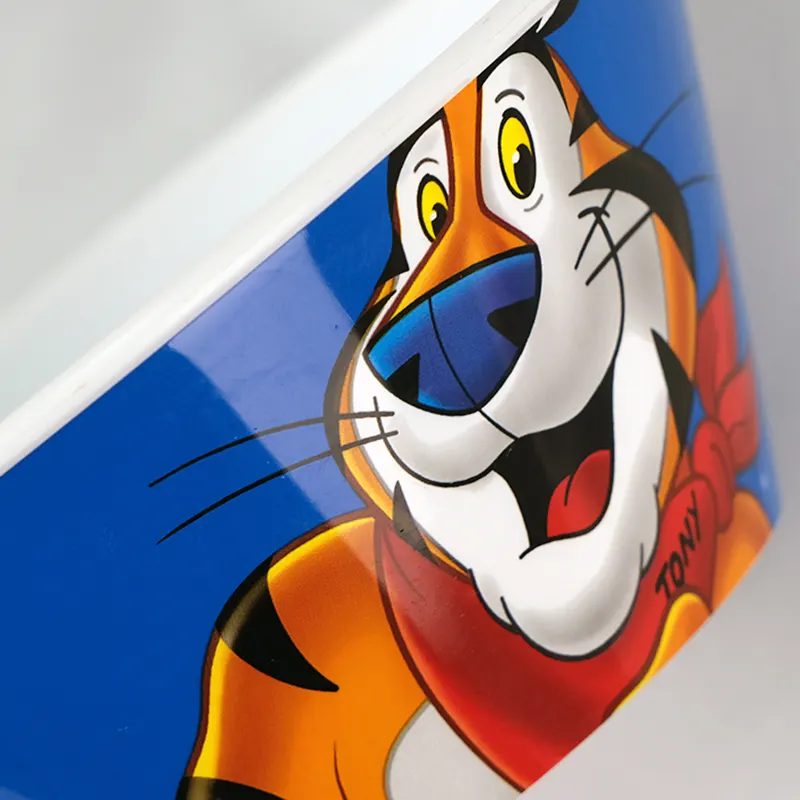
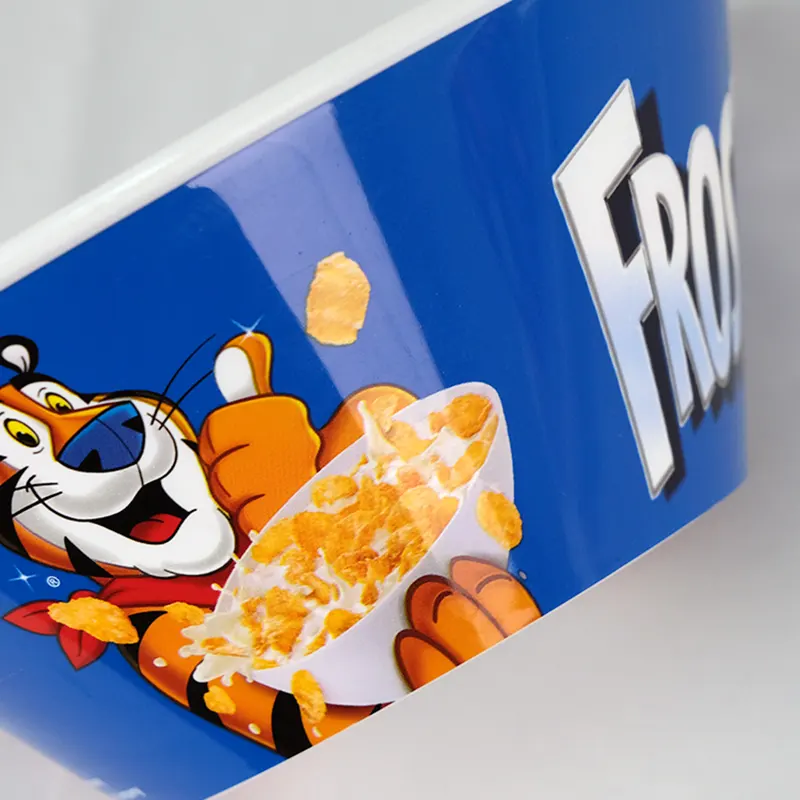
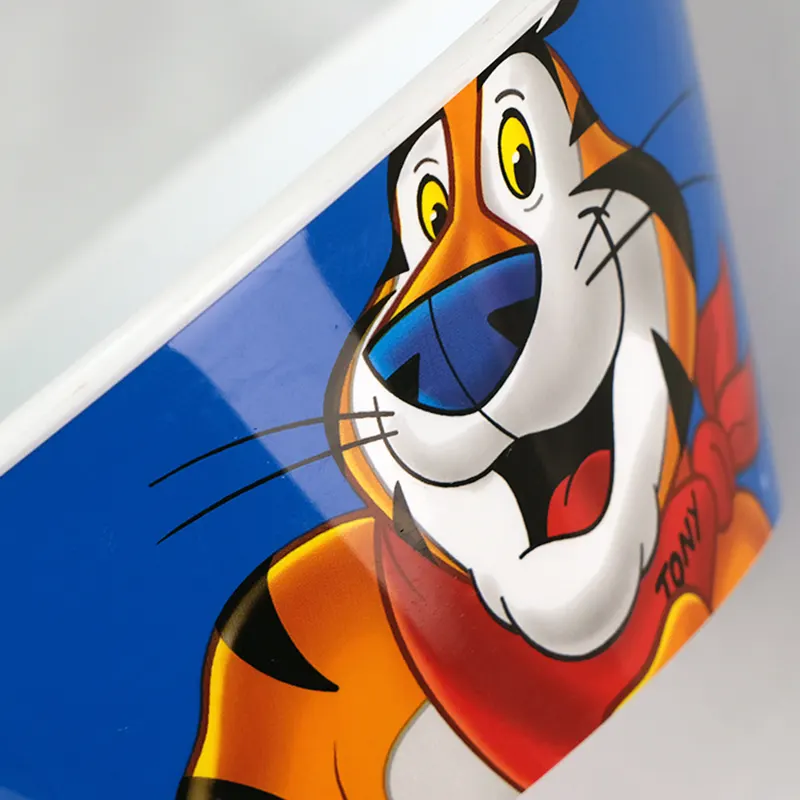
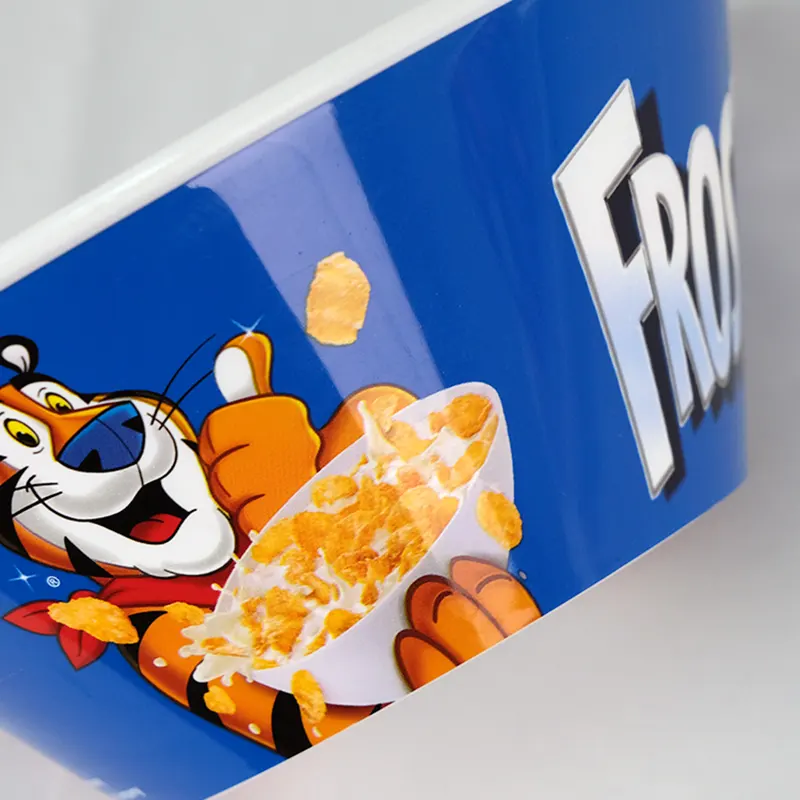
3.Large conical surface multi-color printing process: Reconstructs cartoon fine lines and multi-layer images, and the contour remains clear and sharp after conical surface injection molding
4.Specialized curve die-cutting outline: Makes curved cuts along the label area of the bowl, with smooth edges and no protrusions after forming
5.Thin wall fitting film material thickness: Matches the thin wall thickness of the PP bowl, avoiding local shrinkage and uneven wall thickness injection molding defects
Product functions
Realizes integrated molding of external wall IP patterns
Resists wear and tear from repeated cleaning of tableware
Avoids risks of subsequent secondary processing
Adapts to overseas recycling regulations
Stabilizes the production yield of thin-walled tableware
Custom IML Waterproof In Mold Label for Household Product Specifications
|
IML Material |
BOPP, PET, PLA, HDPE |
|
IML Size |
Customized According to Die Cutting Size |
|
IML Thickness |
65-85 Micron |
|
Temperature |
-30°C-120°C |
|
Core Advantages |
Whole Shaped Technology, Scratch Resisiant, Waterproof |
|
Application Scenarios |
Food Container, Daily Chemical, Industrial Packaging ,Home Appliance, Hosehold Product |
|
Rich Printing Effects |
Orange Peel, Matte, High Glossy, Transparent, Laser Hologram, Metallic Aluminum, Rainbow, Color change, 3D, Embossing |
|
Printing Colors |
Maximum 11 colors |
IML Label Injection Molding Production Process
1. Gravure printing on PET/PP film and Lamination
2. Cutting into standard label sheets
3. Automatic robot places labels into injection mold cavity
4. Plastic melt injection, film and plastic melt into one piece
5. Demold finished IML plastic products directly
Characteristics
1. Special processing for inclined surface manuscripts
Identify the deformation differences from the bowl opening to the bowl bottom, and correct the text and graphics in advance to prevent the stretching and distortion of the cartoon character's features.
2. Complete set of food-grade material configuration
The film material and ink of PP Tableware IML Label Injection Molding are selected based on the scenario where they come into contact with food. They can be used to cooperate with customers to complete the verification of corresponding compliance documents.
3. Water-resistant and washable performance
It can withstand multiple hot water rinses and sponge wipes, and the pattern is sealed inside the substrate, without the problem of color fading or detachment.
4. Does not interfere with the structure of the tableware
The thin film material design makes the thin-walled PP tableware less prone to shrinkage, local bulging defects.
5. Capability of implementing copyright patterns
Precisely reproduce the complex contours and gradient colors of the cartoon character, meeting the appearance requirements of IP-licensed tableware.
6. Closed-loop production throughout the entire factory process
Printing, laminating, and die-cutting are all completed in a dust-free workshop, without outsourcing to external processing, and batch data is fully retained.
FAQ
1. Will there be any size distortion in the patterns on the rim and bottom of the PP bowl?
Answer: Based on the 3D cone angle data of the dinner bowl, the pattern distortion should be controlled within a reasonable range.
2. Can this set of IML labels be used for children's eating PP bowls?
Answer: Food contact grade materials can be selected, and relevant compliance testing supporting materials can be provided.
3. Only the effect pictures, without 3D models, can be directly used for prototyping?
Answer: The 3D cone surface drawing of the dinner bowl is required; otherwise, the graphic distortion caused by the inclined wall cannot be predicted.
4. Can the IML tableware finished products be washed repeatedly in the dishwasher?
Answer: The material selection can be matched with the dishwasher conditions, and the usage conditions should be confirmed before placing the order.
5. For the new product's small batch trial production, can you undertake it?
Answer: New product sample prototyping is supported; after verifying the forming effect, the large quantity delivery can be made.
6. The printing and die-cutting process is completed by the factory itself or outsourced?
Answer: All are completed in the own cleanroom, and the production and inspection records of each batch are archived for future reference.
7. Will using IML on thin-walled PP dinner bowls cause scratches?
Answer: By matching the wall thickness of the bowl with the corresponding thickness of the film material, the probability of creasing is reduced.
Hot Tags: PP Tableware IML Label Injection Molding Manufacturer, PP Tableware IML Injection Molding Supplier, IML Injection Molding for PP Tableware Wholesale
Related Category
Waste Bin IML Label
Storage Box IML Label
Cabinet IML Label
Tables and Chairs IML Label
Tableware IML Label
Water Basin IML Label
Send Inquiry
Please Feel free to give your inquiry in the form below. We will reply you in 24 hours.