

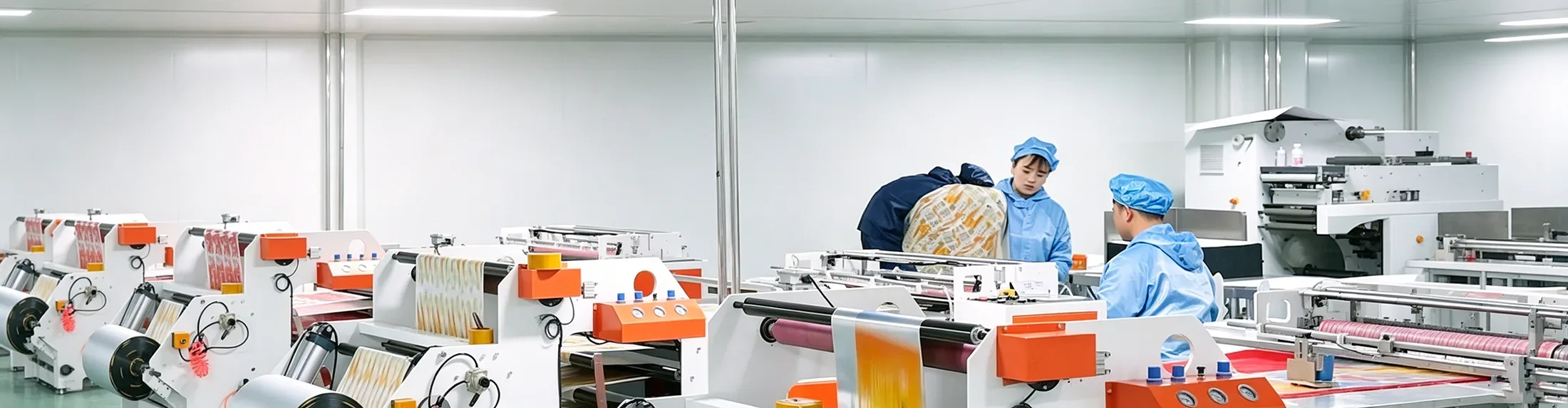
IML vs Pressure Sensitive Labels: Which is Better for Your Product?
Picking the correct label solution shapes the whole look and performance of your packaged goods. Two widely adopted options are IML (In-Mold Labeling) and pressure sensitive labels (PSL), also known as adhesive sticker labels.
This comparison guide breaks down IML and pressure sensitive labels across eight core criteria, helping you pick the fit that aligns with your brand goals and budget targets.
Quick take: Go with IML if you mass-produce plastic vessels and require labels that stay attached permanently. Choose pressure sensitive labels for low-volume runs or packaging made from non-plastic substrates for greater operational flexibility.
1. What Is In-Mold Labeling (IML)?
IML is an integrated forming technique. Preprinted label sheets get positioned inside injection molds or blow molds ahead of molding. As hot molten plastic fills the mold cavity, the label bonds seamlessly to the packaging in one single forming cycle. No extra glue is needed, and no separate labeling step is required after molding.
For full technical details, check our [Complete Guide to In-Mold Labeling](/in-mold-labeling/).
2. What Are Pressure Sensitive Labels (PSL)?
Pressure sensitive labels consist of a printable face stock paired with a release liner and pressure-activated adhesive. Once containers finish manufacturing, these stickers get applied manually or via automated label applicators in a separate post-processing workflow.
3. Head-to-Head Comparison: IML vs PSL
| Comparison | IML Labels | Pressure Sensitive Labels |
| **Bonding** | Fused with container; cannot peel | Adhesive; can peel, lift, or wrinkle |
| **Water/Heat/Chemical Resistance** | Excellent (resin matched) | Moderate; can fail in dishwasher or freezer |
| **Print Quality** | Photo-quality, 4-color + spot | High, but limited by face stock |
| **Production Speed** | One-step injection + labeling | Two steps: produce container + apply label |
| **Equipment Investment** | Robotic arm + IML mold | Labeling machine + adhesive inventory |
| **Scrap Rate** | Near zero | Typically 3–8% (peeling, misalignment) |
| **Recyclability** | Same resin as container; direct recycling | Must separate label from liner (extra step) |
| **Best For** | Injection-molded or blow-molded plastic containers | Glass, metal, cardboard, small batches |
4. Durability: Why IML Wins
Pressure sensitive labels commonly run into three typical failure scenarios:
· **Edge lifting** after repeated exposure to water, grease or surface abrasion
· **Air bubbles** forming when ambient temperature or humidity shifts drastically
· **Fading or discoloration** under UV light, cleaning agents and acidic food contents
IML labels avoid these common defects entirely. Labels use the identical polymer material, mostly PP or PE, as the plastic packaging and merge together on a molecular level during molding. The finished label can withstand frequent dishwasher cycles, frozen storage and chemical contact without damage.
5. Total Cost of Ownership: IML is Cheaper Than You Think
On surface level, pressure sensitive stickers seem cheaper per unit. Yet full expenditure covers many hidden items:
· Label applicator systems (often $50K–$500K)
· Operator wages and ongoing machine servicing
· Waste caused by skewed alignment or wrinkled labels
· Adhesive stock management and used liner disposal fees
Once these hidden expenses get calculated, IML usually cuts the overall per-container expense by 10–20% for mass production runs.
For a full breakdown, read our [IML Label MOQ, Pricing & Lead Time Guide](/blog/iml-label-moq-pricing-lead-time).
6. When to Choose Pressure Sensitive Labels
PSL remains a practical option under these circumstances:
· **Low-volume orders** (below 5,000 pieces)
· **Non-plastic packaging substrates** including glass, metal and paperboard
· **Frequent artwork revisions** for limited-edition product releases
· **Variable marking needs** such as serial numbers and customised stickers
7. How to Switch from PSL to IML
If you plan to migrate your labeling process:
• Check your existing packaging polymer (PP, PE or PET deliver the best match)
• Collaborate with your IML supplier on label graphics and mould modification
• Carry out a trial production batch (500–2,000 units)
• Scale up formal mass production after quality validation
Learn more in our [How to Choose an IML Manufacturer](/blog/how-to-choose-iml-manufacturer) guide.
FAQ
Q1: Are IML labels more expensive than pressure sensitive labels?
A: IML carries a slightly higher standalone label price. But once you remove costs for labeling machinery, labor and rejected products, the total cost for each container normally works out lower.
Q2: Can IML labels be used on glass bottles?
A: No. IML technology only works for plastic packaging formed via injection or blow moulding. Pressure sensitive stickers are the right pick for glass containers.
Q3: Are IML labels dishwasher safe?
A: Yes. Since the label fuses into the plastic body, it stays intact through repeated dishwasher cleaning cycles.
Q4: How long do IML labels last?
A: IML labels share the same service lifespan as the container itself, because they form one unified material structure.
Q5: Which industries use IML the most?
A: Food packaging, dairy goods, ice cream, personal care, household cleaning supplies and lubricant packaging.
Conclusion
IML labels gain advantages in robustness, comprehensive costing and eco-friendliness. Pressure sensitive labels shine with flexible deployment and economical small batch output. For high-volume plastic container manufacturing, IML is almost always the smarter long-term investment.
Ready to explore IML? [Contact YZY](mailto:yzy@inmoldlabel.net) for a custom quote.