

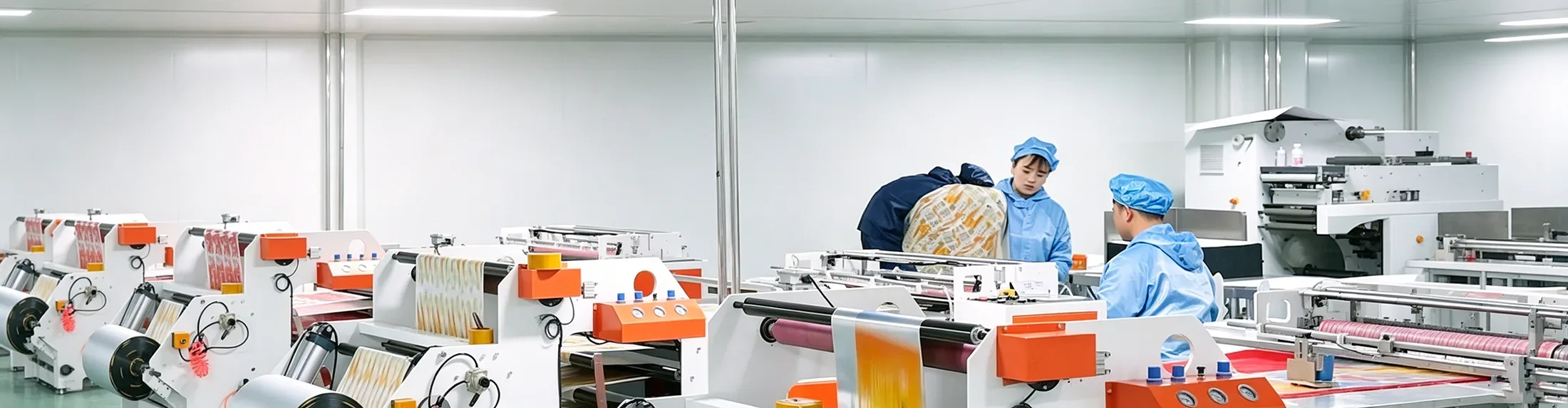
PP coffee cup injection molding with IML labels combines cup forming and decoration into one integrated manufacturing process. A pre-printed label is positioned inside the mold before molten polypropylene is injected, allowing the label and cup wall to become a unified structure. This approach can help beverage brands achieve durable graphics, consistent appearance, efficient production, and flexible packaging customization. For buyers evaluating customized coffee cups, understanding label materials, mold design, printing quality, production control, and food-contact requirements is essential for achieving stable results at commercial scale.
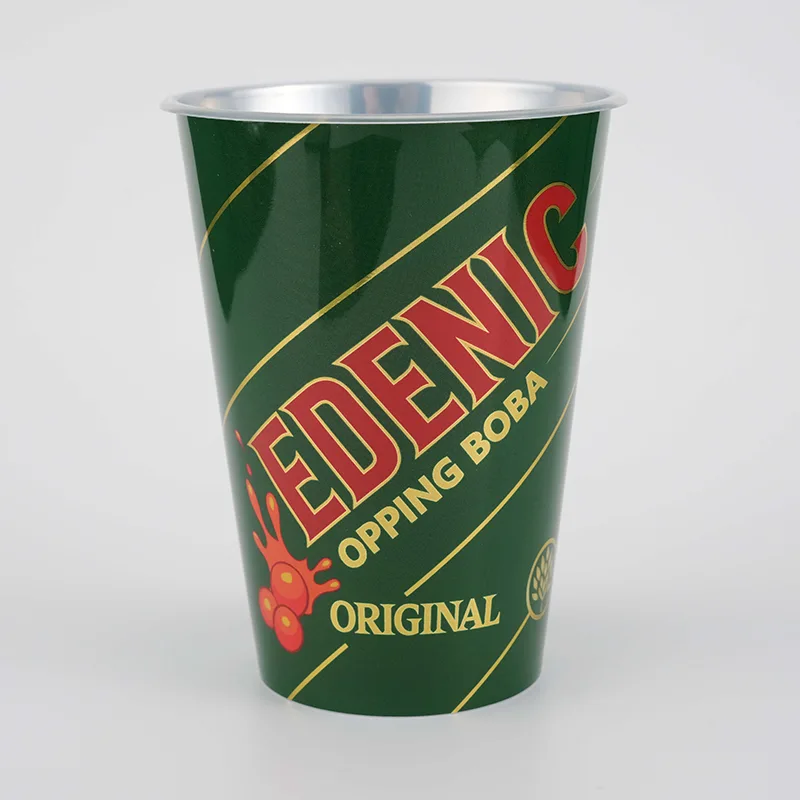
What PP Coffee Cup Injection Molding IML Label Really Means
PP Coffee Cup Injection Molding IML Label refers to an integrated manufacturing approach in which a polypropylene coffee cup is produced through injection molding while a pre-printed in-mold label is positioned inside the mold during the molding cycle. Instead of applying a sticker after the cup has been manufactured, the decoration becomes closely integrated with the cup surface during production.
For coffee shops, beverage chains, foodservice suppliers, and private-label brands, this distinction matters. A conventional adhesive label adds a separate finishing operation after the cup has been formed. IML brings the decoration into the molding process, creating a clean, continuous appearance while reducing dependence on a secondary labeling step.
PP is widely used for reusable and disposable food and beverage packaging because it offers a useful balance of toughness, chemical resistance, lightweight construction, and processing flexibility. When the cup and label are designed around compatible materials, the finished package can also support a more straightforward material structure.
Why IML Is Important for Modern Coffee Cups
Coffee packaging has become more than a container. For takeaway coffee brands, the cup is often carried through public spaces, photographed for social media, displayed on counters, and handled repeatedly before consumption. That makes surface appearance and durability important purchasing considerations.
The integrated decoration can provide stronger resistance to ordinary rubbing, moisture, and handling than many conventional surface-applied labels.
Full-wrap artwork can turn a large portion of the cup wall into a continuous brand communication surface.
The absence of a traditional adhesive label edge can create a smoother and more integrated visual effect.
Decoration takes place within the molding workflow, which can reduce the need for a separate post-molding labeling operation.
For high-volume beverage programs, consistency is equally important. Every cup needs the logo, artwork, colors, and positioning to remain within an acceptable production range. IML therefore works best when label preparation, mold design, material selection, printing, robotic placement, molding parameters, and inspection are treated as one connected system.
How the PP Coffee Cup IML Process Works
A successful IML coffee cup depends on accurate coordination between the printed label and injection molding process. Although equipment configurations can vary, the general workflow follows several important stages.
Artwork is printed onto a suitable film and prepared according to the required cup dimensions and mold geometry.
The printed film is cut to the required shape so it can fit accurately into the molding cavity.
Automation or a precision handling system places the label into the correct position inside the mold.
Molten PP fills the cavity and forms the cup while the label becomes integrated with the cup wall.
1. Label Preparation
The label must be designed around the actual cup geometry rather than treated as a generic sticker. Dimensions, curvature, artwork orientation, registration requirements, film characteristics, and printing performance all need to be considered before mass production.
2. Precise Label Placement
Positioning accuracy is critical. If a label shifts inside the mold, the logo or artwork may appear uneven on the finished cup. Automated placement systems, static control, suction systems, and carefully designed tooling can help improve repeatability.
3. PP Injection Molding
Once the label is positioned, molten polypropylene is injected into the cavity. Heat, pressure, flow behavior, mold temperature, cooling conditions, and injection speed all influence the final appearance and dimensional stability of the cup.
4. Ejection and Inspection
After cooling, the decorated cup is ejected and inspected. Important checks include label position, surface appearance, color consistency, edge quality, cup dimensions, molding defects, and the integrity of the label-to-cup interface.
Key Materials Used in IML Coffee Cup Production
Material compatibility is one of the foundations of reliable IML packaging. A buyer should evaluate the cup resin, label film, inks, coatings, and any other layers together rather than choosing each component independently.
| Component | Typical Consideration | Why It Matters |
|---|---|---|
| PP Cup Resin | Food-contact suitability, grade, flow behavior, stiffness | Affects cup strength, appearance, molding stability, and application suitability |
| PP IML Film | Thickness, surface characteristics, dimensional stability | Influences label handling, printing quality, and integration with the cup |
| Printing Ink | Color performance, adhesion, intended application | Determines the visual quality and durability of the printed graphics |
| Surface Finish | Gloss, matte, metallic, tactile or special effects | Changes the visual character and perceived quality of the packaging |
For food and beverage applications, buyers should also confirm that the selected material structure and printing system meet the applicable requirements for the intended market. Compliance should be verified based on the actual product configuration, destination market, and use conditions rather than assumed from the material name alone.
What Problems Can IML Help Coffee Brands Solve?
Many packaging problems appear small during sampling but become expensive when production reaches tens or hundreds of thousands of cups. IML can address several common concerns when the complete process is engineered correctly.
Peeling and Edge Damage
Traditional labels can develop lifted edges or surface damage after repeated handling, condensation, friction, or exposure to changing conditions. An integrated IML structure eliminates the conventional adhesive-label edge as a separate component.
Uneven Branding
Large beverage programs need consistent branding across multiple production batches. Proper label positioning and controlled molding conditions help keep graphics aligned from cup to cup.
Limited Artwork Area
A wraparound IML label provides a large printable area. Brands can use this space for logos, product information, visual storytelling, promotional graphics, or seasonal designs.
Extra Labeling Operations
When a cup is molded first and labeled afterward, the manufacturing workflow includes another operation. IML integrates decoration into the molding cycle, which can simplify production planning when the equipment and tooling are properly configured.
Frequent Appearance Changes
Brands sometimes want different graphics for different markets, products, campaigns, or seasonal promotions. IML can provide artwork flexibility without necessarily requiring a completely different cup structure for every design, although each project still needs to consider label tooling, minimum order quantities, printing setup, and production economics.
How to Design a Reliable IML Coffee Cup
The best results start before the first mold trial. A technically attractive label design may still create problems if the artwork ignores the cup's actual geometry or manufacturing limitations.
Consider the Cup Geometry
Curved surfaces change how artwork is visually perceived. Important graphics should be positioned carefully to prevent distortion around highly curved areas. The label outline should also match the mold cavity with sufficient accuracy.
Plan the Artwork for Production
- Keep important logos and text away from high-risk distortion zones.
- Confirm bleed and trimming requirements before printing.
- Define color references clearly for production approval.
- Check artwork orientation against the final cup viewing direction.
- Confirm whether gloss, matte, metallic, or special finishes are required.
- Approve physical samples before committing to large-volume production.
Match the Label to the Manufacturing Process
The label is not simply a printed graphic. It is a functional component of the molding system. Its thickness, stiffness, surface properties, dimensions, and material compatibility can influence placement accuracy and finished appearance.
IML Compared with Conventional Labeling Methods
Different labeling technologies can all be useful. The right choice depends on production volume, artwork requirements, packaging geometry, budget, durability expectations, and supply-chain strategy.
| Factor | IML | Adhesive Label | Sleeve Label |
|---|---|---|---|
| Application Timing | During molding | After cup production | After cup production |
| Visual Integration | Highly integrated | Separate label layer | Full or near-full coverage |
| Resistance to Label Peeling | Strong when correctly manufactured | Depends on adhesive and conditions | Depends on sleeve material and application |
| Artwork Coverage | Large printable surface | Depends on label size | Large coverage possible |
| Production Integration | Integrated with molding | Separate application step | Separate application step |
| Best Fit | High-quality molded packaging programs | Flexible short-run labeling | Full-body visual decoration |
For brands that prioritize a clean molded appearance and long-lasting graphics, IML can be particularly attractive. However, the technology is most economical when the production scale and artwork requirements justify the necessary tooling, automation, and label preparation.
Quality Control Points Buyers Should Check
When purchasing PP coffee cups with IML labels, evaluating only the final appearance is not enough. A reliable supplier should be able to demonstrate process control from artwork preparation through finished-product inspection.
| Quality Area | What to Check |
|---|---|
| Artwork | Color accuracy, image sharpness, text readability, registration |
| Label | Dimensions, material consistency, die-cut accuracy, surface quality |
| Molding | Cup dimensions, wall consistency, deformation, flash and surface defects |
| Label Position | Vertical alignment, horizontal registration, distortion and edge position |
| Functional Performance | Stacking, lid compatibility, handling, temperature exposure and intended-use conditions |
| Packaging | Protection against dust, deformation, scratches and transportation damage |
Why Sampling Matters
Physical sampling is particularly valuable for customized IML packaging. A digital artwork proof cannot fully reproduce the interaction between printing, label geometry, cup curvature, molding conditions, and the final surface appearance. Buyers should therefore review production samples before approving a mass-production order.
For international sourcing projects, it is also useful to establish an agreed quality standard covering dimensions, color tolerance, label positioning, acceptable cosmetic defects, packaging method, sampling procedure, and inspection responsibility.
How to Select a Suitable IML Manufacturing Partner
A capable IML supplier should provide more than printing alone. Coffee cup projects require coordination between graphic design, label production, injection molding, tooling, automation, quality control, and packaging.
Look for Integrated Technical Capability
Ask whether the supplier can evaluate the label and molded cup as a complete system. This can reduce communication gaps between separate printing and molding vendors.
Ask About Customization
Every beverage brand has different cup dimensions, artwork, colors, quantities, and functional requirements. A supplier should be able to discuss custom label sizes, cup shapes, printing effects, packaging methods, and production volumes rather than offering only fixed specifications.
Evaluate Production Consistency
For large orders, consistency is more important than a single attractive sample. Ask about incoming-material inspection, printing inspection, mold trials, first-piece approval, in-process inspection, finished-product inspection, and shipment controls.
Consider Long-Term Cooperation
If your business regularly launches new beverages or seasonal campaigns, a supplier that understands your packaging specifications can make future projects easier to manage. Clear technical documentation and repeatable production standards can also reduce the risk of artwork or dimensional changes between orders.
Frequently Asked Questions
It is a pre-printed label designed to be placed inside an injection mold while a polypropylene coffee cup is being formed. The label becomes integrated with the cup surface during molding instead of being applied as a conventional sticker afterward.
Polypropylene offers useful properties for beverage packaging, including lightweight construction, toughness, chemical resistance, and compatibility with injection molding. PP labels can also be selected to match the cup material structure.
Yes. IML packaging can support detailed, multi-color graphics, gradients, photographs, logos, text, and various surface effects depending on the selected printing process, film, inks, and production specifications.
Custom cup shapes are possible when the mold is designed specifically for the required geometry. The label must also be designed to match the cup's shape, curvature, and available printable area.
Because the decoration is integrated during molding rather than simply attached to the finished cup, IML can provide strong resistance to peeling and ordinary surface abrasion. Actual performance depends on the material structure, printing system, molding conditions, and intended environment.
They can be designed for food and beverage applications, but the complete cup, label, ink, coating, and manufacturing system should be evaluated against the requirements of the intended market and application. Buyers should request appropriate compliance documentation from the manufacturer.
Useful information includes cup size, capacity, shape, material, artwork, label coverage, printing requirements, annual demand, expected order quantity, lid requirements, packaging method, application conditions, and destination market. Providing these details allows a manufacturer to evaluate the project more accurately.
IML can be well suited to high-volume packaging programs because labeling is integrated into the molding workflow. The economic benefit depends on production volume, mold configuration, automation, artwork complexity, and the overall supply-chain requirements.
Building Better PP Coffee Cup Packaging
Choosing PP Coffee Cup Injection Molding IML Label technology is ultimately a decision about integrating packaging performance, appearance, production efficiency, and brand communication into one manufacturing system. The most successful projects do not begin with printing alone. They begin by defining the cup geometry, material structure, label requirements, artwork, production volume, application conditions, and quality expectations together.
For coffee chains, foodservice companies, beverage manufacturers, and private-label buyers, a well-engineered IML cup can provide a clean visual presentation while reducing dependence on separate labeling operations. More importantly, careful control of label placement, molding parameters, material compatibility, and inspection helps ensure that the final product performs consistently from the first shipment to long-term repeat orders.
Whether you are developing a new coffee cup, upgrading existing packaging, or looking for a customized in-mold labeling solution, working with an experienced manufacturing partner can make the transition from artwork to mass production more predictable.
Develop Your Custom IML Coffee Cup Solution
Have a specific cup shape, artwork, label requirement, or large-volume packaging project in mind? Zhejiang Zhongyu Science and Technology Co.,Ltd. can help evaluate the technical requirements and develop a customized in-mold labeling solution for your application.
For customized PP coffee cup injection molding and IML label solutions, contact us to discuss your project requirements, artwork, specifications, sampling needs, and production plans.