

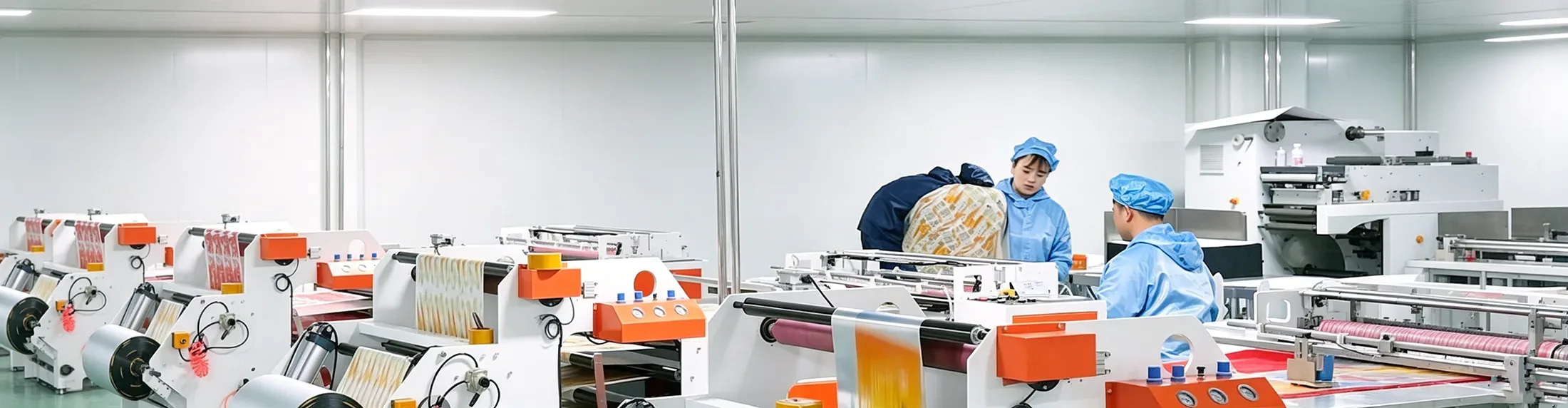
In-mold labeling (IML) combines decoration and injection molding into one manufacturing process. For PP coffee cups, the technology can create durable graphics, clean surfaces, strong visual consistency, and efficient high-volume production while addressing common problems such as label peeling, moisture damage, wrinkles, and secondary labeling operations.
IML label injection molding for PP coffee cups places a pre-printed label inside the mold before molten polypropylene is injected. The label becomes integrated with the cup during molding rather than being attached afterward. This approach is particularly useful for beverage brands that need durable graphics, consistent appearance, efficient production, and customized cup designs. Successful results depend on compatible materials, accurate label positioning, suitable mold design, controlled injection parameters, and appropriate food-contact requirements.
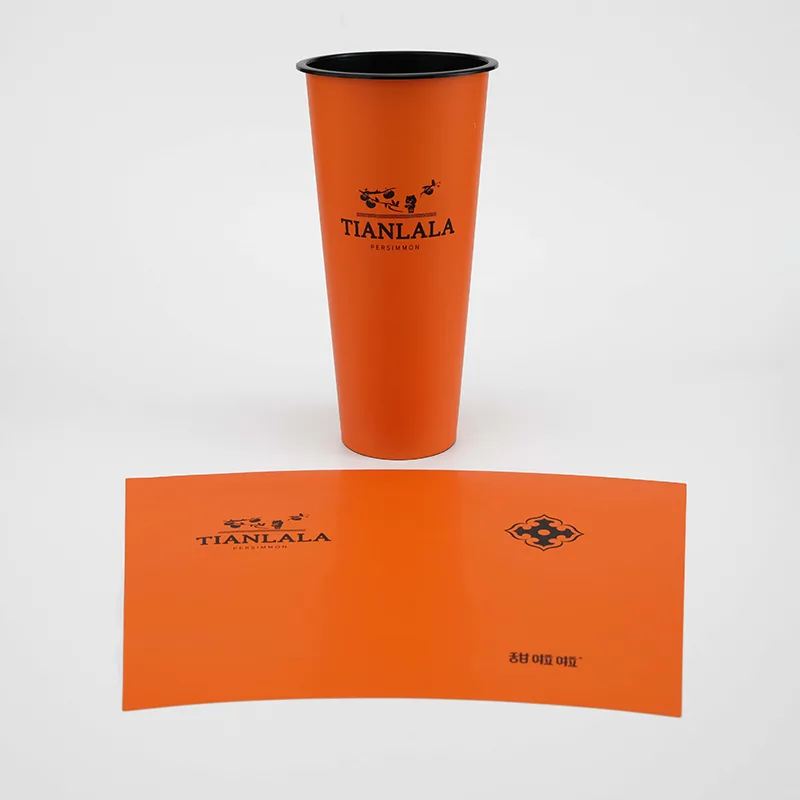
Table of Contents
- 1. Understanding IML Label Injection Molding
- 2. Why PP Is Widely Used for Coffee Cups
- 3. How the IML Injection Molding Process Works
- 4. Key Benefits for Coffee Cup Manufacturers
- 5. Common Packaging Problems IML Can Address
- 6. Important Design and Manufacturing Considerations
- 7. IML vs. Traditional Labeling Methods
- 8. Quality Control for PP IML Coffee Cups
- 9. Applications and Customization Possibilities
- 10. Choosing an IML Coffee Cup Manufacturing Partner
- 11. Frequently Asked Questions
- 12. Conclusion
Understanding IML Label Injection Molding
In-Mold Labeling, commonly called IML, is a manufacturing technique in which a pre-printed plastic label is positioned inside an injection mold before the polymer is injected. During molding, the molten plastic interacts with the label and the finished component is produced with the decoration already integrated into its surface.
Unlike an adhesive label applied after a cup has been manufactured, IML is incorporated into the production cycle. The finished PP coffee cup can therefore leave the molding machine with its graphics already in place. This eliminates a separate conventional labeling stage and creates a smooth, integrated appearance.
For beverage packaging, this matters because cups can encounter condensation, refrigeration, handling, transportation, and repeated contact with liquids. An integrated label can help reduce the visual and functional problems associated with conventional labels, provided that the label structure, resin, printing system, mold, and process parameters are correctly matched.
Why PP Is Widely Used for Coffee Cups
Polypropylene, or PP, is commonly selected for injection-molded beverage packaging because it offers a useful combination of lightweight construction, chemical resistance, stiffness, and processability. PP is also widely used with IML because PP label films can be designed to be compatible with PP containers.
Material compatibility is especially important. When the label and cup are based on compatible polymer systems, the molding process can create an integrated structure without relying on a conventional pressure-sensitive adhesive. PP IML labels are widely used for injection-molded packaging, including cups and food containers.
| Requirement | Why It Matters for PP Coffee Cups |
|---|---|
| Material compatibility | Helps the label integrate properly with the PP cup during molding. |
| Moisture resistance | Important for cold beverages, condensation, storage, and transportation. |
| Surface appearance | Supports consistent branding and high-quality graphics across large production runs. |
| Processability | Allows the cup and decoration to be manufactured within an integrated molding cycle. |
How the IML Injection Molding Process Works
A successful IML coffee cup requires more than simply placing a printed label into a mold. The label, mold, automation system, resin, injection conditions, and finished cup geometry must work together.
Label Preparation
The desired artwork is printed onto an appropriate IML film. Dimensions, orientation, graphics, surface treatment, and material compatibility are established before production.
Label Placement
The pre-printed label is accurately positioned inside the injection mold. Automated pick-and-place systems, vacuum systems, or static-charge methods may be used for repeatable positioning.
Injection Molding
Molten PP is injected into the cavity. Heat and pressure allow the polymer to interact with the label while the cup takes the required shape.
Cooling
The molded cup cools until the polymer reaches sufficient stability for ejection. Cooling balance can influence dimensional consistency and surface quality.
Ejection
The finished cup is removed from the mold with its decoration already integrated, reducing the need for a separate conventional labeling operation.
Inspection
Manufacturers can inspect label position, color consistency, molding defects, dimensions, surface appearance, and overall product quality before packing.
Automation can be particularly valuable for high-volume production because consistent label placement reduces manual variation. Proper positioning is critical because wrinkles, distortion, or misalignment can affect the final appearance of the cup.
Key Benefits for Coffee Cup Manufacturers
1. Integrated and Durable Decoration
One of the most important advantages of IML is that the decoration becomes part of the molded product rather than being attached as a conventional label afterward. This can reduce problems such as edge lifting and peeling associated with certain adhesive labeling systems.
2. High-Quality Brand Presentation
Coffee brands often depend heavily on packaging appearance. A full-wrap IML design can provide a large printable area for logos, product information, illustrations, patterns, promotional graphics, and other brand elements.
3. Better Resistance to Moisture Exposure
Coffee cups may be exposed to condensation, splashes, refrigerated environments, or wet handling. Because IML decoration is integrated during molding, it avoids the exposed adhesive edge that can be found with some traditional labels.
4. Fewer Secondary Operations
Conventional production may require cups to be molded first and labeled afterward. IML incorporates decoration into the molding cycle, potentially simplifying the downstream production flow.
5. Consistent High-Volume Production
When label placement and molding are properly automated, manufacturers can maintain repeatable positioning and appearance across large production quantities.
6. Potential Material and Recycling Advantages
Where PP-compatible label and cup structures are used and suitable recycling infrastructure exists, using compatible materials can support more straightforward material recovery. Recycling performance should always be evaluated according to the actual label structure, inks, additives, local recycling system, and applicable requirements rather than assumed solely from the use of PP.
Common Packaging Problems IML Can Address
Coffee cup buyers typically care about more than appearance. They also need stable production, predictable dimensions, reliable graphics, efficient packing, and packaging that performs under actual distribution conditions.
| Common Problem | Possible Cause | How IML Can Help |
|---|---|---|
| Label edge lifting | Adhesive aging, moisture, temperature changes, or handling | Integrates decoration during molding rather than relying on exposed adhesive edges. |
| Wrinkled labels | Poor application control or label handling | Controlled in-mold placement can improve repeatability. |
| Inconsistent branding | Manual labeling variation | Automated label placement can provide more consistent positioning. |
| Extra production steps | Separate molding and labeling processes | Decoration is integrated into the injection molding workflow. |
| Limited graphic coverage | Conventional label format or application constraints | IML can support large-area and full-wrap graphic designs. |
Important Design and Manufacturing Considerations
Label Material Selection
The label must be suitable for the selected PP resin and molding conditions. Matching or compatible materials can improve integration and support the intended end-of-life pathway. Label thickness, surface treatment, ink system, and functional layers should be evaluated during development.
Artwork and Print Preparation
Artwork should be prepared according to the actual label dimensions and molding geometry. Designers should account for the cup's curved surface, label boundaries, printing tolerances, color requirements, and any areas that must remain visually unobstructed.
Mold and Cup Geometry
Cup diameter, height, wall thickness, draft angles, rim structure, base geometry, and label coverage all influence the manufacturing process. The label must remain correctly positioned while the mold closes and molten PP fills the cavity.
Injection Parameters
Injection speed, pressure, melt temperature, cooling conditions, and cycle timing can affect the final appearance and dimensional stability. These parameters should be established through controlled trials rather than copied blindly from another cup design.
Food-Contact Requirements
If the PP coffee cup is intended for direct food or beverage contact, the resin, label, inks, coatings, and other relevant components should be selected according to the destination market's applicable requirements. A supplier should be able to provide the appropriate material and compliance documentation for the intended application.
IML vs. Traditional Labeling Methods
There is no universal decoration method for every cup project. The right choice depends on production volume, design requirements, packaging environment, tooling investment, desired appearance, and downstream manufacturing processes.
| Factor | IML | Traditional Adhesive Label | Sleeve Decoration |
|---|---|---|---|
| Decoration timing | During molding | After molding | After molding |
| Label integration | Integrated with molded cup | Attached to finished surface | Fits around finished cup |
| Full-wrap graphics | Well suited | Possible depending on label design | Well suited |
| Secondary operation | Reduced | Required | Required |
| Tooling/process complexity | Higher initial process requirements | Generally simpler molding | Requires separate sleeve application |
| High-volume suitability | Strong when properly automated | Suitable depending on equipment | Suitable depending on equipment |
IML can involve higher tooling and process complexity than a basic unlabeled injection-molded cup. The investment needs to be considered together with production volume, decoration requirements, automation, and the cost of subsequent labeling operations.
Quality Control for PP IML Coffee Cups
Quality control should begin before mass production. A well-developed inspection plan can help identify defects early and prevent large batches from being affected by the same problem.
- Label position: Check horizontal and vertical alignment against approved samples.
- Graphic quality: Inspect color, registration, sharpness, and print consistency.
- Surface appearance: Look for wrinkles, bubbles, scratches, flow marks, or other visible defects.
- Dimensions: Verify cup height, diameter, wall geometry, rim dimensions, and stacking requirements.
- Weight: Monitor cup weight to help identify material or molding variation.
- Functional performance: Evaluate sealing, stacking, handling, and application-specific requirements.
- Material documentation: Maintain traceability for resin, label film, inks, and other critical materials.
For large beverage programs, first-article approval and production samples are especially useful. Buyers can confirm the actual cup appearance and physical characteristics before releasing a full production order.
Applications and Customization Possibilities
IML technology is not limited to a single coffee cup shape. It can be incorporated into different cup formats when the geometry and production process are designed appropriately.
- Takeaway coffee cups
- Iced coffee cups
- Milk tea and specialty beverage cups
- Cold drink and juice cups
- Promotional beverage packaging
- Private-label beverage packaging
- Restaurant and café packaging programs
- Retail beverage and food packaging
Depending on the project, buyers may customize cup capacity, diameter, height, wall structure, color, surface finish, lid compatibility, label coverage, artwork, and packaging configuration. A manufacturer should confirm which options are technically practical for the selected mold and production volume.
Designing for a Better Customer Experience
Packaging is often the first physical interaction between a beverage brand and its customer. For this reason, a well-designed IML cup can combine functional packaging requirements with a consistent visual identity. Clear typography, strong contrast, recognizable branding, and accurate color reproduction can make the cup easier to identify across cafés, delivery orders, events, and retail environments.
Choosing an IML Coffee Cup Manufacturing Partner
Selecting an IML supplier should involve more than comparing the unit price. Buyers should evaluate the supplier's ability to manage the complete process, from label preparation and mold development to injection molding, inspection, packaging, and delivery.
- Ask about IML experience. Confirm that the manufacturer understands label placement, molding conditions, and PP material compatibility.
- Review actual samples. Physical samples can reveal graphic quality, cup rigidity, surface finish, label alignment, and overall workmanship.
- Discuss mold ownership and tooling. Clarify tooling specifications, modification procedures, maintenance responsibilities, and expected service life.
- Confirm customization capability. Make sure the supplier can support the required capacity, shape, artwork, color, lid, packaging, and production volume.
- Check quality-control procedures. Ask how the supplier controls dimensions, weight, label position, printing consistency, and batch-to-batch variation.
- Clarify compliance documentation. For food and beverage applications, request documentation relevant to the destination market and intended use.
Zhejiang Zhongyu Science and Technology Co.,Ltd. can be considered as a manufacturing partner when developing customized plastic packaging projects that require coordinated product design, molding, and decoration requirements. For buyers, early technical communication is valuable because cup geometry, label structure, mold design, and production conditions should be considered together rather than separately.
Frequently Asked Questions
What is IML label injection molding for a PP coffee cup?
It is a manufacturing process in which a pre-printed label is positioned inside an injection mold before molten PP is injected. The label becomes integrated with the molded cup during production, creating a finished decorated cup without applying a conventional label afterward.
Why is PP suitable for IML coffee cups?
PP offers useful characteristics for beverage packaging and is widely used in IML applications. PP-based label films can also be designed for compatibility with PP cup structures, which can support integration and material recovery where suitable recycling systems exist.
Can IML coffee cups be fully customized?
Yes. Depending on the manufacturer's capabilities, buyers can customize cup dimensions, capacity, shape, color, artwork, label coverage, surface finish, and compatible lids. Customization should be evaluated together with mold and production requirements.
Does IML prevent labels from peeling?
Because the decoration is integrated during molding rather than attached with a conventional exposed adhesive layer, IML can eliminate many common label-edge lifting and peeling problems. Actual performance depends on the selected label structure and manufacturing process.
Is IML suitable for high-volume coffee cup production?
IML is well suited to high-volume production when the molding system, label placement, tooling, and automation are properly designed. Automated placement can improve repeatability and reduce manual variation.
What should buyers provide when requesting an IML coffee cup quotation?
Useful information includes target capacity, cup dimensions, material requirements, artwork, label coverage, expected order quantity, lid requirements, packaging method, destination market, and intended beverage application. Providing these details allows the manufacturer to evaluate tooling and production requirements more accurately.
Is an IML PP coffee cup automatically recyclable?
Not necessarily. Recyclability depends on the complete packaging structure, including the cup resin, label film, inks, coatings, additives, and the recycling infrastructure available in the relevant market. A PP cup with compatible PP labeling can support recycling objectives in suitable PP recycling streams, but the complete product should be evaluated.
Conclusion
IML label injection molding provides a practical way to combine PP coffee cup manufacturing and product decoration within an integrated production process. By placing the printed label into the mold before injection, manufacturers can create cups with consistent graphics, a clean appearance, and strong resistance to many common problems associated with separately applied labels.
The best results come from treating the cup as an integrated system. Label material, printing, artwork, mold design, PP resin, injection parameters, automation, quality inspection, and final-use requirements all influence the finished product. For brands ordering customized coffee cups, discussing these factors with the manufacturer early can reduce development risks and help establish a stable production specification.
Develop Your Custom PP IML Coffee Cup
Looking for customized IML label injection molding for PP coffee cup packaging? Zhejiang Zhongyu Science and Technology Co.,Ltd. can work with your team on product specifications, customized designs, molding requirements, and production needs. Share your cup dimensions, artwork, target quantity, and application requirements to discuss the next step and contact us for a customized solution.